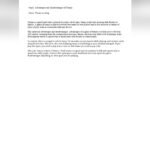
Are you dealing with that nagging pain on the outside of your elbow? Wondering exactly when you should reach for a tennis elbow support?
Knowing the right time to wear a brace or sleeve can make a huge difference in managing pain, speeding up recovery, and preventing further injury. Whether you’re an athlete, someone who lifts weights, or simply dealing with everyday strain, this guide will help you understand when tennis elbow support is a must—and when it might do more harm than good.
Stick with me to learn how to protect your elbow the smart way and get back to doing what you love without discomfort holding you back.
Signs You Need Support
Knowing when to wear tennis elbow support can help prevent pain and injury. Support braces reduce strain on injured tendons. They help keep your elbow stable during activities.
Some signs show that support is needed. Recognizing these signs early improves healing and comfort. Pay attention to your elbow’s condition and how it feels.
Persistent Pain On The Outer Elbow
Continuous pain on the outside of the elbow is a clear sign. This pain may worsen during or after activity. It often feels sharp or aching.
Weak Grip Strength
Difficulty holding objects or weak grip strength suggests tendon strain. This weakness can affect daily tasks like opening jars or shaking hands.
Pain Spreading Down The Forearm
Pain that moves from the elbow down the forearm signals worsening injury. This spread means tendons and muscles are under stress.
Stiffness In The Morning
Stiffness or tightness in the elbow after waking up is common. It can limit your arm’s movement and cause discomfort.
Increased Discomfort With Simple Tasks
Tasks like lifting a cup or typing cause more pain than usual. This discomfort shows your elbow needs extra support to heal.
Visible Swelling Or Inflammation
Swelling around the elbow or redness indicates inflammation. Support braces help reduce pressure and promote healing in this area.
No Relief With Rest
Pain that does not improve after resting is a warning sign. Support is necessary to protect the elbow and avoid further damage.
Pain During Activities
Pain during activities is a common sign of tennis elbow. It usually occurs when the muscles and tendons around the elbow are overused or strained. This pain can range from mild discomfort to sharp, intense aches. Wearing tennis elbow support can help manage this pain and protect the elbow during movement.
Understanding when pain appears during your daily tasks or sports helps decide the right time to wear support. The goal is to reduce pain while allowing you to stay active. Wearing a brace or strap during painful activities can prevent further injury.
Pain While Lifting Or Gripping
Activities that require lifting or gripping often cause tennis elbow pain. Holding heavy objects or shaking hands can increase discomfort. Wearing support during these tasks stabilizes the elbow and eases pressure on the tendons.
Pain During Repetitive Motions
Repeated movements like typing, painting, or playing tennis can worsen elbow pain. The constant strain inflames the tendons. Using support in these situations helps reduce stress and prevents flare-ups.
Pain That Worsens Over Time
If pain grows stronger with ongoing activity, it signals the need for support. Ignoring this pain may lead to longer recovery times. Wearing a brace during activities can protect the elbow and promote healing.
Heavy Lifting Sessions
Heavy lifting sessions put a lot of strain on your elbows. Lifting weights like bench press, overhead press, or dips can cause stress to the tendons around the elbow joint. This stress may lead to pain or injury, such as tennis elbow. Wearing tennis elbow support during these sessions helps reduce joint stress. It also adds stability to the elbow, making heavy lifts safer and more comfortable.
Using support can protect the tendons from irritation. It is especially useful when lifting near your maximum weight. The brace helps manage pain and prevents further injury. It also aids in recovery if you are already dealing with elbow pain. Wearing the support during heavy lifting allows you to train effectively without worsening your condition.
When To Wear Tennis Elbow Support During Heavy Lifting
Wear the support during heavy lifting exercises like bench press, overhead press, dips, and heavy rows. These movements put extra pressure on the elbow tendons. The support helps reduce the risk of injury and controls pain during these intense sessions.
Pain And Injury Management
Use tennis elbow support if you have pain or injury in the elbow area. It can help manage symptoms of tennis elbow or golfer’s elbow. Wearing the support during rehab keeps the elbow stable and reduces discomfort. It allows you to continue training while protecting the injured tendons.
After heavy lifting, wearing tennis elbow support can aid recovery. It helps reduce swelling and keeps the elbow warm. This warmth improves blood flow, speeding up healing. Use the support for a short time after workouts to help your elbow recover faster.
Repetitive Motion Tasks
Repetitive motion tasks often cause strain on the elbow, leading to discomfort or pain. Wearing tennis elbow support helps reduce stress during activities involving frequent arm movements. Use it when pain appears or after long periods of repetitive work to protect and aid recovery.
Understanding Repetitive Motion Tasks
Repetitive motion tasks involve doing the same arm or elbow movements many times. These actions can strain the tendons and muscles around the elbow. Over time, this strain may cause pain and discomfort, often called tennis elbow.
People who work in jobs or sports with frequent elbow movement often face this problem. Wearing tennis elbow support during these tasks can help reduce pain. It also helps prevent further injury and supports healing.
Common Activities With Repetitive Motion
Tasks like typing, painting, or using tools require repeated elbow bending and straightening. Sports like tennis, golf, or badminton also involve constant arm motions. These activities put pressure on the elbow tendons.
Wearing support during these activities reduces stress on the elbow. It helps maintain proper arm alignment and limits harmful movements.
Benefits Of Wearing Support During Repetitive Tasks
Tennis elbow support lowers the risk of tendon irritation. It absorbs some pressure from repetitive movements. This support can improve grip strength and reduce pain during work or sports.
Using support keeps the elbow warm and boosts blood flow. This helps the tendons recover faster and stay flexible. It also prevents stiffness after long periods of activity.
Post-workout Recovery
Post-workout recovery is key to healing and preventing further injury. Using tennis elbow support after exercise helps ease pain and reduce swelling. It also keeps the muscles and tendons warm. This support speeds up recovery and prepares the elbow for the next activity.
Reduce Swelling And Inflammation
Wearing tennis elbow support post-workout helps limit swelling. Compression improves blood flow around the elbow. This reduces inflammation and aids healing. It stops the area from becoming stiff and painful the next day.
Maintain Warmth For Healing
Keeping the elbow warm is important after exercise. Tennis elbow braces provide gentle heat to the muscles and tendons. Warmth relaxes tight tissues and prevents stiffness. This makes movement easier and less painful during recovery.
Support Weak Or Sore Muscles
After a tough workout, muscles can feel weak or sore. Tennis elbow support gives extra stability to the joint. This reduces strain on injured tissues. It helps avoid further damage while the elbow heals.
Encourage Faster Recovery
Using tennis elbow support after activity helps the body repair itself. Compression and warmth improve circulation and nutrient delivery. This speeds up tissue repair. A faster recovery means less downtime and quicker return to normal activities.
Types Of Tennis Elbow Supports
Tennis elbow supports come in different styles. Each type offers unique benefits for pain relief and injury prevention. Choosing the right one depends on your needs and activities.
Counterforce Braces
Counterforce braces wrap around your forearm just below the elbow. They apply gentle pressure on the muscles and tendons. This reduces strain on the injured area during movement. Athletes often use them during sports or heavy lifting. These braces help control pain and support healing.
Compression Sleeves
Compression sleeves cover the entire elbow and part of the forearm. They provide even pressure to reduce swelling and improve blood flow. Sleeves keep the muscles warm, which helps with stiffness. Many people wear them during and after physical activity. They offer mild support without limiting movement.
Forearm Straps
Forearm straps are narrow bands that fit tightly around the forearm. They target specific points to ease tendon tension. Straps are easy to adjust and wear under clothing. They work well for repetitive tasks or mild tennis elbow pain. Straps provide focused relief and help prevent further injury.
How To Fit Your Support
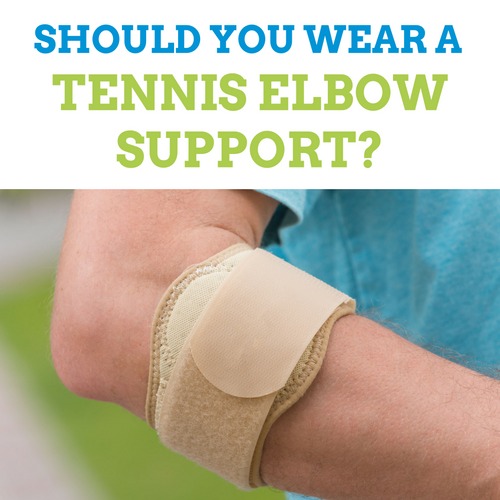
Wear tennis elbow support during activities that cause pain or strain, like heavy lifting or repetitive arm movements. Use it to reduce discomfort and protect your elbow while recovering from injury. Avoid wearing it during light exercises or when pain is absent.
Fitting your tennis elbow support correctly is key to comfort and effectiveness. A proper fit helps reduce pain and prevents further injury. The support must feel snug but not tight. Too loose, and it won’t work well. Too tight, and it can cut off circulation.
Follow these simple steps to ensure your support fits just right.
Measure Your Arm
Use a flexible tape measure to find the size. Measure around your forearm about two inches below the elbow. Note the measurement in inches or centimeters. Compare it with the size chart provided by the manufacturer. Choosing the correct size avoids discomfort and slipping.
Position The Support Correctly
Place the support just below the elbow joint, targeting the sore area. The strap or pad should press gently on the tendon. Avoid placing it directly on the bone. This placement helps reduce strain and eases pain during activity.
Adjust The Strap For Comfort
Fasten the strap so it feels secure but not tight. You should still be able to move your arm freely. Check that the pressure is even around your arm. Adjust as needed during use to maintain comfort and support.
Test Your Range Of Motion
After fitting, move your arm through normal motions. Bend and straighten your elbow slowly. The support should stay in place without cutting off circulation. If you feel numbness or tingling, loosen the strap immediately.
Wear It During Activities
Use the support during activities that cause pain or strain. It helps reduce stress on the tendons. Remove it during rest or light activities to avoid dependency. Proper fitting ensures maximum benefit and comfort all day.

Credit: www.youtube.com
Duration Of Wear
Knowing how long to wear tennis elbow support helps maximize healing and comfort. Wearing it for the right duration prevents stiffness and promotes recovery. The length of wear depends on your activity, pain level, and doctor’s advice.
During Physical Activity
Wear tennis elbow support during activities that strain your elbow. This includes sports like tennis, golf, or heavy lifting. The brace helps reduce stress on tendons and prevents pain flare-ups. Remove it once the activity ends to allow normal movement.
For Pain Relief
Use the support when experiencing sharp or constant elbow pain. It helps reduce discomfort by stabilizing the joint. Wearing it for several hours a day is common but avoid keeping it on all day. Let your skin breathe and avoid stiffness.
Post-injury Or Surgery
After an injury or surgery, wear the support as directed by your healthcare provider. Early use aids healing by limiting harmful motions. Gradually reduce wear time as your elbow gets stronger and pain decreases.
During Rest Periods
Wearing tennis elbow support during rest can keep the joint warm. Warmth promotes blood flow and reduces stiffness. Use it for short periods, especially in cold environments or after exercise.
When To Avoid Wearing
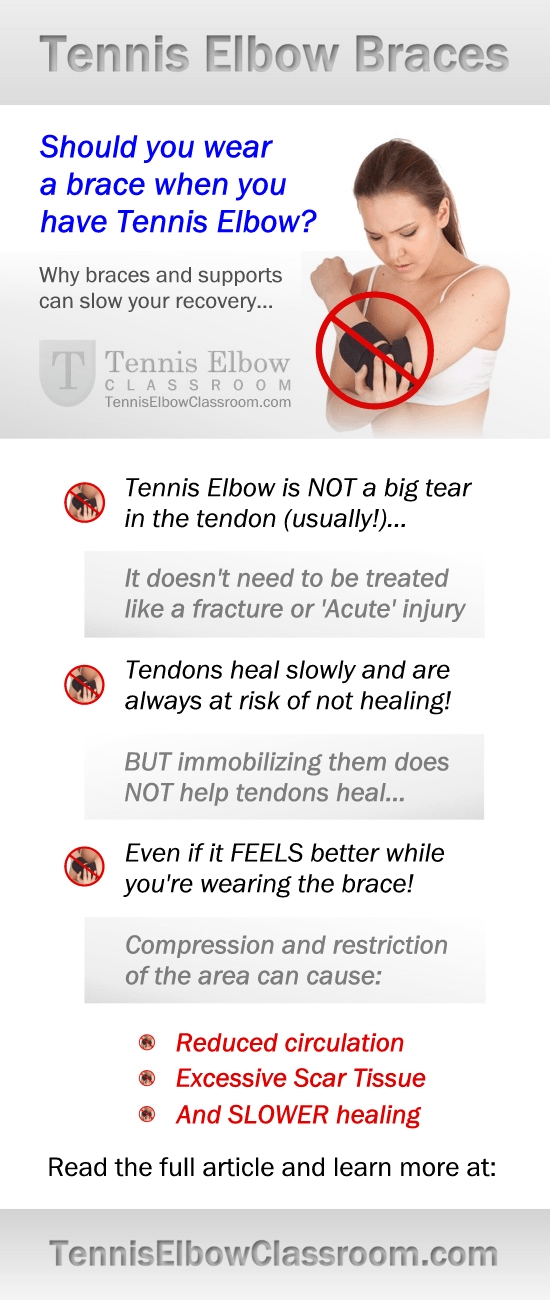
Do not wear tennis elbow support continuously without breaks. Overuse may weaken muscles and reduce joint flexibility. Avoid wearing it during light activities or when pain is absent. Focus on exercises to strengthen your elbow instead.
When To Avoid Wearing Support
Knowing when to avoid wearing tennis elbow support is important for proper healing. Wearing support all the time can weaken muscles and reduce natural movement. Use support only when needed to protect your elbow. This helps maintain strength and flexibility. Here are times to avoid wearing tennis elbow support.
During Light Warm-ups
Skip the elbow support during warm-ups with low intensity. Light movements do not put much strain on the elbow. Wearing support at this stage can limit blood flow and muscle activation. Let your elbow move freely to prepare for heavier activity. Warm-ups help increase flexibility and reduce injury risk without support.
Without Pain Or Heavy Load
Do not wear tennis elbow support if there is no pain. If you are not lifting heavy or doing intense work, support is unnecessary. Your elbow needs to work naturally to stay strong. Relying on support without pain or heavy load may cause weakness. Use support only during pain or high stress on the elbow.
Credit: www.barefootrehab.com
Benefits Of Wearing Support
Wearing tennis elbow support offers several key benefits for those dealing with elbow discomfort. It helps ease pain and supports the muscles and tendons around the elbow. This support can improve daily activities and sports performance by reducing strain. It also aids in faster recovery and prevents further injury.
Pain Relief And Comfort
Tennis elbow support reduces pressure on the injured area. It helps lower pain during movement and rest. The gentle compression improves blood flow, which soothes soreness. Wearing support can make daily tasks less painful.
Improved Stability And Movement
The support stabilizes the elbow joint and surrounding muscles. It limits harmful motions that cause strain. This stability helps maintain proper arm movement. Users feel more confident when lifting or performing repetitive tasks.
Faster Recovery And Healing
Compression promotes healing by increasing circulation around the elbow. It reduces swelling and inflammation. Wearing support helps injured tissues heal quicker. This means less downtime from work or sports.
Injury Prevention
Support acts as a guard against future injuries. It keeps the elbow aligned during heavy lifting or intense activities. Wearing it during repetitive motions reduces stress on tendons. This lowers the chance of developing tennis elbow or worsening existing pain.
Risks Of Overuse
Overusing the elbow can cause serious problems. Small injuries may build up over time. This leads to pain, swelling, and weakness. Tennis elbow is common in people who repeat arm movements often. It happens when tendons in the elbow get stretched or torn.
Wearing tennis elbow support helps reduce strain. It protects the elbow during activities that stress it. Knowing when to wear support can prevent worsening injuries. Avoiding overuse is key to healing and staying pain-free.
What Causes Overuse Injuries?
Overuse injuries happen from repeated motions. Actions like lifting, gripping, or twisting the arm can strain tendons. The body does not get enough time to rest and heal. This causes small tears and inflammation in the elbow tendons. Over time, pain and stiffness increase, making movement hard.
Signs Of Overuse In The Elbow
Pain on the outside of the elbow is a common sign. Weak grip strength and difficulty holding objects may appear. Swelling or tenderness around the elbow can develop. Pain might spread down the forearm. Stiffness is often worse in the morning or after activity.
Why Wearing Tennis Elbow Support Matters
Support braces help reduce pressure on injured tendons. They limit harmful movements and provide stability. This allows tendons to heal and reduces pain. Wearing support during heavy lifting or repetitive tasks can prevent damage. It also helps manage pain during recovery.
Risks Of Ignoring Overuse Symptoms
Ignoring pain leads to worse injuries. Tendons can tear more, requiring longer recovery. Chronic pain and loss of strength may become permanent. Overuse can stop you from doing daily activities or sports. Early use of support can avoid these risks and speed healing.
Combining Support With Therapy
Combining tennis elbow support with therapy creates a balanced approach to healing. Support braces help reduce strain on injured tendons. Therapy works to strengthen muscles and improve flexibility. Together, they speed up recovery and reduce pain.
Wearing a tennis elbow support during therapy sessions protects the elbow from further damage. It allows gentle movement without adding extra stress. This balance helps maintain progress in physical therapy exercises.
Using Support During Physical Therapy
Physical therapy often includes stretching and strengthening exercises. Wearing a tennis elbow brace during these exercises can provide stability. It keeps the elbow aligned and reduces discomfort. This helps patients perform exercises more effectively and safely.
Supporting Rest And Recovery
Rest is important for healing tennis elbow injuries. Support braces can be worn during rest periods to limit harmful movements. They also help keep the elbow warm, which may reduce stiffness. This support allows tissues to heal faster and pain to lessen.
Combining Support With Ice And Heat Therapy
Ice therapy reduces swelling and numbs pain in early injury stages. Heat therapy relaxes muscles and improves blood flow later in recovery. Wearing a tennis elbow support during heat therapy helps retain warmth. This combination enhances the overall healing process.
When To Remove Tennis Elbow Support
Remove the brace when performing light activities or at night. Overuse of support can weaken muscles over time. Follow your therapist’s advice on when to wear and remove the brace. Gradually reducing support encourages natural strength and flexibility.
Adjusting Support Over Time
Adjusting tennis elbow support over time helps balance protection and recovery. Your needs change as pain and strength shift. This section guides how to modify support for best results.
Start With Firm Support
Begin with a tighter brace to reduce pain and strain. This helps control movement and eases symptoms. Use firm support during heavy lifting or painful activities.
Gradually Loosen The Brace
As pain decreases, loosen the strap for more comfort. This allows better blood flow and muscle movement. Loosen support during lighter tasks or less intense exercise.
Use Support Only When Needed
Wear the brace during activities that stress your elbow. Remove it during rest or light movements. This prevents muscle weakness and over-dependence on the brace.
Monitor Your Pain And Strength
Check your pain levels daily to decide on support use. Increase support if pain returns or worsens. Decrease it if strength and comfort improve.
Consult A Professional For Guidance
Physical therapists can advise on adjusting support correctly. They tailor recommendations based on your progress and goals. Follow their advice to avoid injury and heal faster.
Signs To Remove Support
Knowing when to remove tennis elbow support is as important as knowing when to wear it. Wearing the support too long can cause stiffness or weaken muscles. Watch your body closely. It will show signs when it’s time to take off the brace.
Reduced Pain And Discomfort
One clear sign to remove your tennis elbow support is less pain. When the ache or soreness fades, the support may no longer be needed. Your elbow should feel more comfortable during daily activities. This means the injury is healing.
Improved Strength And Mobility
Check your elbow’s strength and movement. If you can bend and straighten your arm easily, it shows progress. Weakness or limited motion means keep the support on. When strength returns, removing the brace helps muscles regain full function.
No Swelling Or Inflammation
Swelling or redness signals irritation. If these signs disappear, it may be safe to remove the support. A calm, normal-looking elbow means healing is underway. Keep monitoring to avoid a relapse.
Ability To Perform Daily Tasks
Try simple tasks like lifting a cup or typing. If these cause no pain or discomfort, the brace can come off. Pain during everyday activities suggests more healing time is needed. Use the support as long as daily tasks hurt.
Doctor’s Or Therapist’s Advice
Follow professional guidance on when to stop using the support. They assess your injury and recovery well. Removing support too soon can delay healing. Trust their advice to decide the right time.
Support For Injury Prevention
Using tennis elbow support can help prevent injuries during physical activities. It stabilizes the elbow and reduces strain on the tendons. Wearing support early can stop small issues from becoming bigger problems.
The support compresses the muscles and tendons around the elbow. This compression improves blood flow and reduces fatigue. It also helps keep the elbow warm, which lowers the risk of injury.
When To Wear Tennis Elbow Support For Heavy Lifting
Wear tennis elbow support during heavy lifts like bench press and overhead press. These exercises put extra stress on your elbow joints. The support adds stability and lowers the chance of tendon irritation.
Using Support During Repetitive Tasks
Jobs or sports that need frequent elbow bending can cause strain. Wearing support during these tasks protects your tendons. It reduces pain and prevents injury from overuse.
Support For Pain And Injury Management
If you feel pain from tennis or golfer’s elbow, support helps manage it. It reduces discomfort and aids healing. Wearing it during rehab speeds up recovery by limiting stress on injured tissue.
Post-workout Support To Aid Recovery
Using tennis elbow support after exercise can reduce swelling. It keeps the elbow warm and helps muscles recover faster. This can lower soreness and prepare you for the next workout.
Credit: tenniselbowclassroom.com
Support During Rehabilitation
Wearing tennis elbow support during rehabilitation helps control pain and swelling. It provides stability to the injured area. This support reduces stress on the tendons as they heal.
It also prevents further injury by limiting harmful movements. Using support allows you to continue light activities safely. It encourages faster recovery and improves comfort.
Reducing Pain And Swelling
The brace or strap applies gentle pressure around the elbow. This pressure lowers inflammation and eases pain. It helps you stay active without constant discomfort.
Protecting The Tendons
Tennis elbow support shields the tendons from extra strain. It keeps the elbow stable during daily tasks. This protection stops small movements from causing more damage.
Encouraging Proper Movement
Support guides your elbow to move correctly. It limits harmful bending or twisting. This helps the tendons heal in the right way.
Supporting Gradual Return To Activity
Wearing support allows gentle exercise during rehab. You can slowly increase activity without risking injury. It builds strength while protecting the elbow.
When To Remove The Support
Remove the brace when pain fades and strength returns. Overuse can cause muscle weakness. Use it mainly during activities that cause strain.
Choosing The Right Support Material
Choosing the right support material for tennis elbow is important. The material affects comfort, breathability, and how well it supports your elbow. Picking a good material helps you wear the support longer without irritation. It also improves recovery by keeping the elbow stable and warm.
Neoprene Supports
Neoprene is a common material for tennis elbow braces. It feels soft and stretchy. It keeps the elbow warm and improves blood flow. This material offers firm support but allows some movement. Neoprene can cause sweating if worn for a long time.
Elastic Fabric Supports
Elastic fabric braces are lighter and more breathable. They fit snugly but are less bulky than neoprene. These supports provide mild compression to reduce pain and swelling. They are good for daily activities and mild discomfort.
Velcro Straps And Adjustable Materials
Supports with Velcro straps allow easy adjustment for a perfect fit. These materials help control the tightness around your elbow. Adjustable braces give better control over pressure on the tendons. They are useful during heavy activities or sports.
Breathable Mesh Materials
Mesh materials improve air circulation and reduce sweating. They are ideal for warm weather or long wear. These supports keep your skin dry and comfortable. Mesh braces offer moderate support while staying lightweight.
Tips For Comfort And Fit
Wearing tennis elbow support can relieve pain and improve healing. Comfort and fit matter most. Poor fit can cause more pain or stop you from wearing it.
Choosing the right size and adjusting the brace correctly helps. Follow these tips to stay comfortable while getting the support you need.
Choose The Right Size
Measure your arm around the forearm, just below the elbow. Use a soft tape measure for accuracy. Check the brand’s size chart before buying. A brace too tight will cut off circulation. Too loose will slip and not support well.
Adjust The Strap Properly
Fasten the strap so it feels snug but not tight. The brace should press gently on the tendon area. Avoid over-tightening to prevent discomfort or numbness. Adjust the strap during activities for best fit.
Wear On Clean, Dry Skin
Put the support on clean, dry skin to prevent irritation. Avoid lotions or oils before wearing the brace. This keeps the support in place and reduces itching or rash.
Test Movement And Comfort
Move your arm after putting on the brace. Check for any pinching or slipping. You should feel support but still move naturally. If pain increases, remove or adjust the brace.
Support Use In Different Sports
Tennis elbow support is useful across many sports. It helps reduce pain and protects the elbow. Different sports put different stress on the elbow joint. Wearing support at the right time can prevent injury or aid recovery. This section explains how to use tennis elbow support in various sports.
Baseball And Softball
Pitching and throwing put strain on the elbow. Support helps reduce pressure on tendons. Wear it during practice and games for pain relief. It also helps prevent worsening of tennis elbow symptoms.
Weightlifting
Heavy lifts like bench press and overhead press stress the elbow joint. Use elbow support to add stability and reduce joint pain. It is especially helpful during maximum effort lifts or injury recovery.
Tennis And Racquet Sports
Repetitive swinging causes strain on the outer elbow. Wearing a tennis elbow strap during play reduces tendon irritation. It also helps improve grip strength and control.
Golf
Golf swings can cause golfer’s elbow, similar to tennis elbow. Support helps ease pain and reduces inflammation. Use it during practice rounds or tournaments for extra protection.
Manual Labor And Repetitive Work
Jobs involving constant elbow movement can cause overuse injuries. Wearing support reduces fatigue and swelling. It helps maintain function during long work hours.
Consulting Professionals For Support Use
Consulting professionals before using tennis elbow support ensures proper care and effective relief. Experts like doctors and physical therapists assess your condition accurately. They recommend the right type of support for your needs. This guidance prevents misuse and further injury.
Professionals also advise on the correct duration to wear the support. Wearing it too long or too short can affect healing. Proper fitting is another key point they address. A well-fitted brace reduces pain without limiting movement.
Seeking Medical Advice For Accurate Diagnosis
A doctor confirms if tennis elbow support is necessary. They perform physical exams and may order imaging tests. This helps rule out other issues like fractures or arthritis. An accurate diagnosis leads to better treatment choices.
Physical Therapist’s Role In Support Selection
Physical therapists evaluate your arm strength and flexibility. They suggest specific braces or straps based on your activity level. Therapists teach proper wearing techniques and exercises. This improves recovery speed and prevents pain return.
Customizing Support Use Based On Activity
Professionals tailor support use to your daily tasks or sports. They guide when to wear it during heavy lifting or repetitive motions. Support might be recommended only during certain activities. This avoids dependency and encourages natural healing.
Frequently Asked Questions
When Should You Wear A Tennis Elbow Brace?
Wear a tennis elbow brace during activities causing pain, heavy lifting, repetitive motions, or to aid injury recovery. Remove it after exercise to avoid dependency.
How Long Should You Wear Compression For Tennis Elbow?
Wear compression sleeves for tennis elbow during activities causing pain or strain. Use them for several hours daily, but remove them at night. Consistent use for 4-6 weeks aids recovery. Always follow healthcare advice to avoid over-reliance or skin irritation.
What Are Signs You Need Elbow Support?
Signs you need elbow support include persistent elbow pain, weak grip strength, stiffness, swelling, pain radiating down the forearm, and discomfort during simple tasks.
When Should I Start Using Elbow Wraps?
Start using elbow wraps during heavy pressing, intense lifting, or if you experience pain from tendon irritation like tennis or golfer’s elbow. Wear them for injury prevention, pain management, or recovery. Avoid using wraps for light warm-ups or if you feel no discomfort or heavy strain.
What Is Tennis Elbow Support Used For?
It helps reduce pain and pressure on the elbow tendons during movement.
When Should I Start Wearing Tennis Elbow Support?
Wear it when you feel pain or strain from repetitive elbow use or lifting.
Can Tennis Elbow Support Help During Sports Activities?
Yes, it stabilizes the elbow and reduces stress during sports like tennis or golf.
How Long Should I Wear Tennis Elbow Support Daily?
Wear it during activities causing pain, but remove it after to avoid stiffness.
Does Tennis Elbow Support Prevent Injury?
It can help prevent worsening of tendon strain but not all elbow injuries.
Can I Wear Tennis Elbow Support While Lifting Weights?
Yes, it offers extra support during heavy lifts to reduce joint stress.
Conclusion
Wearing tennis elbow support helps reduce pain during heavy lifting and activity. Use it when you feel discomfort or after injury. Avoid wearing it during light exercises or warm-ups. Always ensure the support fits well and does not cut off circulation.
Remove the brace after workouts to keep your muscles strong. Support aids recovery but should not replace proper rest or treatment. Listen to your body and use the support wisely for best results.