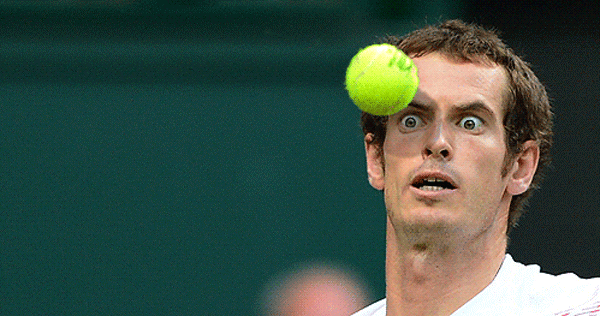
What to Do If a Tennis Ball Hits Your Eye: Quick Steps to Protect Your Vision If you’ve ever been hit in the eye with a tennis ball, you know it’s no small pain. Your eye is delicate, and even a seemingly minor injury can lead to serious problems if not handled right away.
So, what should you do the moment a tennis ball strikes your eye? You need clear, simple advice that helps you act fast and avoid complications. You’ll learn exactly how to recognize if your eye injury is serious, the immediate steps you must take to reduce pain and swelling, and when it’s critical to see a doctor.
Don’t ignore this—your vision depends on how you respond in those first crucial moments. Keep reading to protect your eyes and keep your sight safe.
Immediate Actions
Act quickly by applying a cold compress gently to reduce swelling and pain. Avoid rubbing or pressing the eye. Seek medical help immediately if vision changes or severe pain occur.
When a tennis ball hits the eye, quick care matters. Immediate actions can reduce pain and prevent damage.
Stay calm and focus on protecting the eye. Avoid rushing or applying pressure.
Check For Serious Injury
Look for signs like heavy pain or vision changes. Check if the pupil size looks different or if there is blood in the eye. These symptoms need urgent medical help.
Avoid Rubbing Or Touching
Do not rub or touch the injured eye. Rubbing can worsen the injury or cause infection. Keep your hands away from the eye area.
Apply A Cold Compress
Wrap ice in a clean cloth and place it gently on the eye. Use the compress for 10 to 15 minutes to reduce swelling and pain. Do not apply ice directly on the skin.
Protect The Eye
If there is any object stuck or the eye is bleeding, cover it with a clean shield or paper cup. Avoid pressing on the eye. Seek medical care immediately.
Seek Medical Help Quickly
Visit a doctor or emergency room if pain worsens or vision blurs. Immediate professional care ensures proper treatment and healing.
Assessing Pain Levels
Assessing pain levels after a tennis ball hits the eye is crucial. It helps decide the next steps for care. Pain intensity can indicate the injury’s severity.
Check how much discomfort the eye feels. Mild pain might only need home care. Severe pain could mean a serious injury requiring medical help.
Recognizing Mild Pain
Mild pain usually feels like slight soreness or irritation. It may come with minor redness or swelling. This level often improves with rest and cold compresses.
Identifying Moderate Pain
Moderate pain is more intense and lasts longer. It may cause difficulty opening the eye or light sensitivity. This level suggests the need for a doctor’s check.
Detecting Severe Pain
Severe pain is sharp, deep, or throbbing. It may not lessen with pain relievers. Severe pain often comes with vision changes or bleeding. Immediate medical attention is necessary to prevent further damage.
Checking Vision Changes
Checking vision changes is crucial after a tennis ball hits your eye. Your eyesight can be affected by the impact, and quick assessment helps prevent further damage. Watch for any sudden changes or discomfort in your vision.
It is important to notice if your vision becomes blurry or if you see double. These signs may indicate a serious injury that needs medical attention. Also, check if you lose part of your sight or if colors look different than usual.
Observe For Blurred Or Double Vision
Blurred or double vision can mean damage inside the eye. Take a moment to focus on objects around you. If things look fuzzy or doubled, avoid straining your eye. Seek professional care immediately.
Check For Vision Loss
Partial or full vision loss is a serious sign. Cover the other eye to test each eye separately. Any sudden decrease in sight requires urgent examination by a doctor.
Notice Changes In Color Perception
Colors might appear dull or different after an injury. This change can signal damage to the retina or optic nerve. Report any unusual color vision to a healthcare provider without delay.
Monitor Eye Sensitivity To Light
Increased sensitivity to light, called photophobia, often follows eye trauma. If bright lights cause pain or discomfort, limit exposure and get checked by an eye specialist.
Identifying Visible Damage
Visible signs of eye injury include redness, swelling, cuts, or blood in the eye. Notice changes like blurred vision or uneven pupils. Immediate medical help is needed if any serious damage appears.
When a tennis ball hits the eye, visible damage is often the first sign of injury. Checking the eye carefully helps decide what to do next. Look for any obvious signs that the eye or surrounding area is harmed.
Visible damage can vary from mild redness to serious cuts. Early identification can prevent worsening of the injury. Knowing what to spot is important for quick action.
Redness And Swelling
Redness around the eye shows irritation or broken blood vessels. Swelling may cause the eyelid to puff up and close partially. These symptoms are common but still need attention.
Apply a cold compress to reduce swelling. Avoid rubbing the eye to stop further damage.
Bruising Or Black Eye
A tennis ball can cause bruising, known as a black eye. The skin around the eye may turn purple or blue. This indicates blood pooling under the skin.
Bruising usually heals on its own but watch for increasing pain or vision changes.
Visible Cuts Or Cuts On Eyelid
Look for any cuts or tears on the eyelid or near the eye. These need cleaning and medical care to avoid infection.
Do not try to close deep cuts yourself. Cover the area gently and seek professional help.
Blood In The Eye
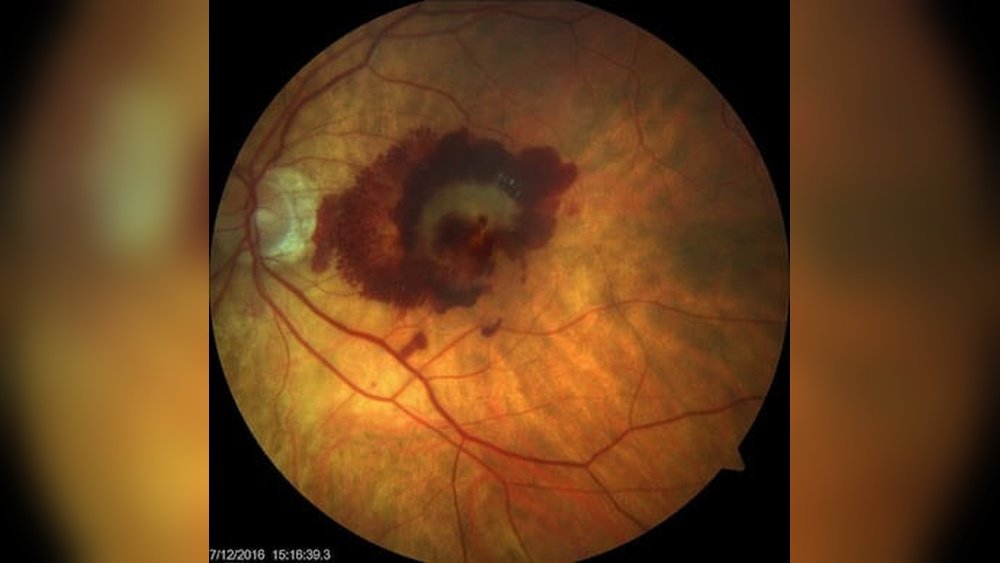
Blood inside the white part of the eye (sclera) or the colored part (iris) signals a serious injury. This bleeding needs prompt medical evaluation.
Do not touch or press the eye. Protect it with a clean cover until a doctor sees it.
Unequal Or Irregular Pupils
Check if the pupils are the same size and shape. Unequal pupils or unusual shapes may point to internal eye damage.
This sign requires urgent medical attention to prevent vision loss.
Detecting Foreign Objects
Detecting foreign objects in the eye after a tennis ball injury is crucial. Small particles can cause irritation or damage if left unnoticed. Checking carefully helps prevent complications and guides proper treatment.
Foreign objects may be visible or hidden under the eyelid. Immediate attention can reduce pain and avoid infection. Knowing how to spot these objects improves safety and recovery.
Signs Of Foreign Objects In The Eye
Common signs include redness, tearing, and a feeling of something in the eye. Blinking often or difficulty opening the eye can also indicate a foreign object. Pain or discomfort may increase with eye movement.
How To Examine The Eye Safely
Wash hands thoroughly before touching the eye area. Use a clean mirror and good light to inspect the eye. Gently pull down the lower eyelid and look for any particles. To check the upper eyelid, lift it carefully while the person looks down.
When To Avoid Removing Objects
Do not try to remove objects that are stuck or sharp. Attempting removal can cause more damage. Cover the eye gently and seek professional medical help immediately if the object does not come out easily.
Pupil Size And Shape
The pupil is the black circle in the center of the eye. It controls how much light enters the eye. After a tennis ball hits the eye, changes in pupil size or shape can signal serious injury.
A normal pupil is round and reacts to light by getting smaller or larger. If the pupil looks uneven, very large, very small, or does not change with light, it may indicate damage inside the eye. Such changes need quick medical attention to prevent vision loss.
Pupil Size Changes After Injury
One pupil might become bigger or smaller than the other. This difference is called anisocoria. It can mean pressure inside the eye or nerve damage caused by the impact.
Watch for pupils that do not react to light. A fixed pupil means the eye might be badly hurt. This condition requires urgent care.
Irregular Pupil Shape
The pupil should be round. A tennis ball hit can cause it to become oval, teardrop-shaped, or misshapen. This shape change shows damage to the iris or other eye parts.
An irregular pupil shape often comes with pain or vision problems. It is a strong sign to get an eye exam immediately.
When To Seek Medical Help
Unequal or oddly shaped pupils need prompt evaluation by an eye doctor. Do not wait if you notice these signs after the injury.
Early treatment helps save vision. It also reduces the risk of long-term damage from the trauma.
Noticing Eye Movement Issues
Noticing eye movement issues after a tennis ball hits the eye is critical. Such problems can indicate serious damage. These signs need quick attention to protect vision. Watch closely for any unusual eye behavior.
Eye movement problems may include one eye not moving as the other does. Sometimes, the eye might bulge or seem stuck. These symptoms show that muscles or nerves around the eye might be hurt. Ignoring these signs can lead to long-term vision problems.
Signs Of Abnormal Eye Movement
One eye may fail to follow objects smoothly. You might see the affected eye lag behind or move in a different direction. Double vision often happens with this issue. The eye could also appear swollen or pushed forward. These signs suggest internal injury.
Why Eye Movement Issues Matter
Eye movement is controlled by muscles and nerves. Damage to these can cause misalignment. This misalignment affects how the brain processes images. It can cause dizziness or headaches. Early detection helps in preventing permanent damage.
Steps To Take If Eye Movement Is Affected
Do not rub or press the injured eye. Use a clean cloth to gently protect the eye. Seek emergency medical care immediately. Tell the doctor about any movement problems you notice. Timely treatment can save your vision and reduce complications.
Recognizing Blood Presence
Blood in the eye after a tennis ball hit signals possible injury. Watch for red or dark spots on the white part or inside the eye. Immediate care is important to prevent further damage.
Blood in the eye after a tennis ball hit is a serious sign. It can mean the eye has been hurt deeply. Spotting blood early helps to get quick care and avoid worse problems.
Blood may appear as red spots on the white part of the eye. It can also show inside the colored part or even behind the eye. Any blood presence needs attention.
Where To Look For Blood
Check the white part of your eye carefully. Small or large red patches may be visible. Look at the colored part for any unusual red marks.
Sometimes blood collects under the clear front layer, making the eye look red or cloudy. This condition needs urgent care to prevent damage.
Signs Blood May Be Inside The Eye
Blood inside the eye can cause blurred or darkened vision. You might see floating spots or shadows. Pain or pressure can also mean blood is inside.
Watch for changes in pupil size or shape. Unequal pupils can signal internal bleeding or eye damage.
When Blood In The Eye Needs Immediate Help
Seek emergency care if bleeding is heavy or vision changes. Severe pain or a visible cut with blood is an urgent sign. Protect the eye and avoid rubbing or pressing it.
Cover the eye gently with a clean cloth or shield. Do not try to remove any objects stuck in the eye. Quick medical help can save your sight.
Sensitivity To Light
Sensitivity to light, also called photophobia, often follows an eye injury. It means bright light causes discomfort or pain in the eye. This reaction happens because the eye’s tissues become irritated or inflamed after being hit.
Light sensitivity may make it hard to keep the eye open. You might feel pain or a burning sensation when exposed to sunlight or indoor lighting. This symptom is a warning sign that the eye needs care and protection.
Sensitivity To Light After Injury
After a tennis ball hits your eye, the tissues can swell or bruise. This swelling makes the eye more sensitive to light. The pupil may also react abnormally, causing discomfort in bright places.
Signs Of Severe Light Sensitivity
Severe sensitivity includes sharp pain or inability to open the eye in bright light. You might also notice increased tearing or headaches. These signs suggest deeper damage and need medical attention.
How To Protect Your Eye From Light
Wear sunglasses with UV protection when outdoors. Stay in dimly lit rooms and avoid bright screens. Resting the eye reduces irritation and helps healing.
When To Seek Medical Help
Seek help if light sensitivity worsens or lasts more than a day. Also, visit a doctor if you have pain, vision changes, or swelling. Early care prevents complications and protects your vision.
Cold Compress Benefits
Using a cold compress after a tennis ball hits your eye helps reduce pain and swelling. The cold temperature slows blood flow to the injured area. This can limit bruising and inflammation.
Applying a cold compress also numbs the pain. It provides quick relief and makes the eye feel more comfortable. This simple method supports the healing process by calming the tissues around the eye.
How To Apply A Cold Compress Safely
Wrap ice or a cold pack in a soft cloth before placing it on the eye. Avoid putting ice directly on the skin. Hold the compress gently over the eye for 10 to 15 minutes. Repeat every hour as needed for the first day.
Benefits Of Using A Cold Compress
Cold compresses reduce swelling by constricting blood vessels. They help prevent the injury from becoming worse. The coolness also eases discomfort and stops further irritation. This can lower the risk of long-term damage.
When To Avoid A Cold Compress
Do not use a cold compress if you notice severe pain or vision problems. Avoid if there is an open wound or cut near the eye. In these cases, seek medical help immediately instead of self-treatment.
Avoiding Eye Rubbing
After a tennis ball hits the eye, the natural urge is to rub it. Rubbing can cause more damage to the eye. It may worsen swelling, increase pain, or lead to infection. Avoid touching or rubbing the injured eye.
Keep hands away from the eye to prevent irritation. Use a clean cloth to gently dab any tears or fluid. This helps keep the eye clean without adding pressure. Rest the eye as much as possible and avoid bright lights.
Why Avoid Rubbing The Eye?
Rubbing an injured eye can spread bacteria and dirt. This increases the risk of infection. It can also cause small scratches on the cornea. These scratches may delay healing and cause pain.
How To Control The Urge To Rub
Distract yourself with deep breathing or other activities. Keep your hands busy with something else. Use a cold compress on the eye to reduce itching and swelling. This eases discomfort and lowers the urge to rub.
What To Do Instead Of Rubbing
Apply a clean, cold compress gently on the eye. Avoid pressing hard. Use sterile eye drops if recommended by a doctor. Cover the eye with a clean bandage if needed. Seek medical help for proper evaluation and treatment.

Credit: www.sciencephoto.com
When Not To Remove Objects
Knowing when not to remove objects from the eye is vital after a tennis ball injury. Removing an object yourself can cause more damage. Sometimes the object is lodged deep or sharp. In such cases, touching it may worsen the injury or cause infection.
Leaving the object in place protects the eye until a professional can help. Covering the eye gently and seeking medical attention is safer. This reduces the risk of further harm and preserves vision.
Do Not Remove Objects Embedded In The Eye
If the object is stuck in the eyeball or eyelid, do not try to pull it out. Pulling may cause bleeding or more severe damage. Keep the eye closed and protect it with a shield or clean cloth.
Avoid Rubbing Or Applying Pressure
Rubbing the eye can push the object deeper or scratch the cornea. Avoid pressing on the eye even if it feels uncomfortable. Let a doctor handle the removal carefully.
Seek Immediate Medical Help
Go to an emergency room or eye specialist right away. They have tools to remove objects safely. Early professional care prevents complications like infection or vision loss.
Covering The Injured Eye
Protect the injured eye gently with a clean, soft cover to prevent further damage. Avoid pressing or rubbing the eye and seek medical help immediately. Keeping the eye covered reduces pain and shields it from dirt or light.
Why Covering The Injured Eye Is Important
Covering the injured eye helps protect it from further harm. It reduces pain by limiting light and movement. This step also prevents dirt or bacteria from entering the eye. Proper covering can stop the injury from getting worse.
How To Properly Cover The Injured Eye
Use a clean cloth or sterile eye patch to cover the eye gently. Avoid pressing on the eye as this may cause more damage. If no eye patch is available, use a folded clean paper towel or gauze. Secure the cloth with tape or a bandage around the head, not tightly.
What To Avoid When Covering The Eye
Never try to remove objects stuck in the eye. Do not rub or put pressure on the eye. Avoid using dirty materials to cover the eye as this may cause infection. Do not apply ointments or drops without medical advice. Covering is only to protect until professional help arrives.
Over-the-counter Pain Relief
Over-the-counter pain relief can help ease discomfort after a tennis ball hits the eye. Minor eye injuries often cause pain and swelling. Using the right pain relief methods can make healing more comfortable. Always follow the instructions on the medication package. Avoid taking more than the recommended dose.
Choosing The Right Pain Medication
Non-prescription pain medicines like acetaminophen or ibuprofen work well. They reduce pain and lower swelling. Avoid aspirin in children due to health risks. Check for allergies before taking any medicine. Use the lowest effective dose for the shortest time.
Proper Use Of Pain Relievers
Take pain relievers with food to protect your stomach. Drink plenty of water while using these medicines. Stop use if you notice any side effects like rash or stomach pain. Never mix different pain medications without advice from a healthcare provider.
When To Avoid Over-the-counter Pain Relief
Do not use painkillers if you have certain health problems. Avoid if you have liver or kidney disease. If you are unsure, ask a doctor before taking any medicine. Do not use eye drops or ointments without medical advice.
Eye Drop Usage
A tennis ball hitting the eye can cause pain and swelling. Apply a cold compress gently and avoid rubbing. Use eye drops only if a doctor advises, and seek medical help for severe pain or vision changes.
Understanding Eye Drop Usage After A Tennis Ball Hits The Eye
Eye drops can soothe irritation and help prevent infection after an eye injury. They often reduce redness and wash out small debris. Using the right eye drops is important to avoid worsening the injury.
Some eye drops contain lubricants that keep the eye moist. Others have antibiotics to fight infection. Always use eye drops recommended by a healthcare provider for eye injuries.
Choosing The Right Eye Drops
Artificial tears or lubricating eye drops are safe for minor irritation. Avoid drops that reduce redness if the eye is injured. These can hide symptoms and delay healing. Antibiotic eye drops may be necessary if there is a risk of infection.
How To Apply Eye Drops Safely
Wash hands well before touching the eye or drop bottle. Tilt your head back and pull the lower eyelid down. Place one drop inside the lower eyelid pocket. Close your eyes gently for a minute to let the drop absorb.
Avoid blinking or rubbing your eye after applying drops. Do not touch the dropper tip to your eye or hands to keep it clean.
When To Avoid Using Eye Drops
Do not use any eye drops if there is severe pain or vision loss. Avoid drops if there is blood in the eye or a visible cut. In these cases, seek medical help immediately. Using drops without advice can cause more harm.
Credit: www.beckenhamoptometrist.com.au
Signs For Emergency Care
Knowing the signs that need emergency care is crucial when a tennis ball hits your eye. Some injuries look minor but can cause serious damage. Acting fast can protect your vision and prevent complications.
Recognizing the symptoms that require immediate medical attention helps you seek proper help. Watch for any unusual changes or severe pain in the eye. These signs mean you should go to the emergency room right away.
Severe Pain
Severe, deep pain in the eye that does not improve with rest is a red flag. Sharp or throbbing pain may indicate serious injury inside the eye.
Vision Changes
Sudden blurry vision, double vision, or any loss of sight needs urgent care. These symptoms can signal damage to the retina or optic nerve.
Visible Cuts Or Tears
A cut, tear, or gash on the eyelid or eyeball means the eye is seriously injured. Do not try to treat this at home.
Foreign Object Stuck In The Eye
If something remains stuck and cannot be rinsed out, it is an emergency. Trying to remove it yourself can cause more harm.
Unequal Or Irregular Pupils
If one pupil is larger or shaped differently, it may mean internal eye damage. This requires immediate evaluation.
Blood In The Eye
Blood visible in the white or colored part of the eye shows bleeding inside. This can affect vision and needs medical care.
Eye Movement Problems
Difficulty moving one eye or if it bulges out indicates serious trauma. Quick treatment is essential to save eye function.
Severe Light Sensitivity
Intense pain or discomfort from light may point to eye inflammation or injury. This symptom calls for urgent examination.
Chemical Exposure Or Burns
If chemicals hit the eye, rinse immediately and go to the emergency room. Burns can cause lasting damage.
Corneal Abrasion Symptoms
A tennis ball hitting the eye can cause corneal abrasion, leading to pain, redness, and sensitivity to light. Blurry vision or a feeling of something in the eye may also occur. Seek medical help quickly to avoid complications.
A corneal abrasion happens when the eye’s clear surface gets scratched. Tennis balls can cause this type of injury. Recognizing symptoms early helps in quick treatment and prevents complications.
Symptoms often start right after the eye is hit. The affected eye may feel like something is stuck inside. This feeling is uncomfortable and persistent.
Pain And Irritation
Pain is usually sharp and worsens with blinking. The eye may water more than usual. Irritation can make it hard to keep the eye open.
Redness And Swelling
The white part of the eye turns red. Swelling may occur around the eyelids. This is due to inflammation from the scratch.
Blurred Vision
Vision might become blurry or hazy. Objects may seem out of focus. This happens because the cornea is damaged and affects light entry.
The eye becomes sensitive to bright light. Looking at lights can cause discomfort or pain. This symptom is called photophobia.
Excessive Tearing
The eye produces more tears than normal. This is the body’s way to protect and heal the eye. Tears help wash out any debris or irritants.
Feeling Of Foreign Body
A constant feeling like something is in the eye. This sensation is caused by the rough surface of the cornea. It makes blinking painful and uncomfortable.

Credit: www.reddit.com
Infection Warning Signs
After a tennis ball hits the eye, watch closely for infection warning signs. Infections can develop quickly and harm vision if untreated. Early detection helps prevent serious problems.
Infections cause discomfort and changes in eye appearance. Knowing the warning signs helps you act fast and seek medical care.
Redness And Swelling
Redness around the eye or eyelid is a common infection sign. Swelling can make the eye look puffy or larger than usual. These symptoms may worsen within a day or two.
Discharge Or Pus
Clear or colored discharge from the eye signals infection. Pus or thick yellow-green fluid is a strong warning sign. Avoid touching the eye to prevent spreading germs.
Increased Pain Or Tenderness
Pain that grows sharper or does not improve with rest may mean infection. Tenderness around the eye, especially when touched, also indicates a problem.
Blurred Vision Or Light Sensitivity
Infection can cause vision to blur or become unclear. Sensitivity to light, called photophobia, may make the eye hurt in bright places.
Fever Or Feeling Unwell
A fever or general feeling of sickness can happen with eye infections. These signs mean the body is fighting an infection and need prompt care.
Follow-up Care Steps
After a tennis ball hits the eye, proper follow-up care is vital. It helps prevent complications and speeds healing. Some injuries may look minor but need careful attention.
Follow-up care includes watching symptoms, protecting the eye, and knowing when to get medical help. These steps support recovery and reduce the risk of lasting damage.
Monitor For Warning Signs
Check the eye regularly for pain, swelling, or redness. Notice any changes in vision or unusual eye movements. Watch for increased sensitivity to light or discharge from the eye. These signs may indicate a serious problem.
Use Cold Compresses Safely
Apply a cold compress gently to reduce swelling and pain. Wrap ice in a cloth to avoid direct contact with the skin. Use the compress for 10 to 15 minutes at a time. Avoid pressing hard on the eye.
Avoid Rubbing Or Touching The Eye
Do not rub or touch the injured eye. Rubbing can cause more damage or introduce infection. Keep hands clean and avoid touching the eye area. Protect the eye from dirt and irritants.
Follow Medical Advice And Medication
Use any prescribed eye drops or medications exactly as directed. Do not skip doses or stop treatment early. Take pain relief medicine if recommended by a doctor. Report any side effects or worsening symptoms immediately.
Protect The Eye During Recovery
Wear protective eyewear if needed, especially during physical activities. Avoid swimming or using contact lenses until the eye heals. Rest the eye by limiting screen time and bright lights. Give the eye time to recover fully.
Preventing Future Eye Injuries
Preventing future eye injuries is crucial after experiencing an impact from a tennis ball. Taking simple steps can reduce the risk of damage and protect your vision. Safety habits and proper gear help keep your eyes safe during play.
Protecting your eyes means staying alert and prepared on the court. Following basic precautions lowers the chance of painful accidents and keeps your eyes healthy.
Wear Protective Eyewear
Use sports goggles designed for tennis to shield your eyes. These goggles have strong lenses that resist impact. Regular glasses do not offer enough protection. Choose eyewear that fits well and stays in place during movement.
Learn Proper Playing Techniques
Practice good form to avoid accidental hits to the face. Keep your eyes on the ball at all times. Communicate with your partner to prevent unexpected swings. Proper technique reduces the chance of the ball flying toward your face.
Keep The Court Safe
Remove obstacles and keep the playing area clear. A safe environment helps prevent falls or sudden movements that cause eye injuries. Check the net and court surface for hazards regularly. A tidy court supports safer play.
Warm Up And Stay Focused
Warm up your body and eyes before playing to improve reaction time. Stretch and do eye exercises to stay alert. Avoid distractions during the game. Focus lowers the chance of getting hit in the eye.
Frequently Asked Questions
What To Do When A Tennis Ball Hits Your Eye?
Apply a cold compress gently to reduce swelling. Avoid rubbing the eye. Seek immediate medical help if pain, vision changes, bleeding, or foreign objects occur. Protect the eye with a clean cover and consult an eye specialist promptly.
How Do You Know If A Poked Eye Is Serious?
A poked eye is serious if you experience severe pain, vision loss, blood in the eye, visible cuts, unequal pupils, or eye bulging. Seek immediate medical care to prevent permanent damage.
What Happens If A Tennis Ball Hits You In The Eye?
A tennis ball hitting your eye can cause pain, redness, swelling, or blurred vision. Seek medical help if pain worsens, vision changes, or bleeding occurs. Avoid rubbing or removing objects. Use a cold compress to reduce swelling and protect your eye until a doctor evaluates the injury.
What To Do If A Ball Hits You In The Eye?
Apply a cold compress gently to reduce swelling. Avoid rubbing or touching the eye. Seek immediate medical care if pain, vision changes, bleeding, or foreign objects occur. Protect the eye with a clean cover until a doctor examines it.
What Immediate Steps Should I Take If A Tennis Ball Hits My Eye?
Apply a cold compress gently to reduce swelling and avoid rubbing the eye.
How Can I Tell If The Eye Injury Is Serious?
Look for severe pain, vision changes, bleeding, or unusual pupil shape.
When Should I Visit A Doctor After An Eye Injury?
See a doctor if pain worsens, vision blurs, or you notice blood in the eye.
Can I Use Eye Drops After A Tennis Ball Hits My Eye?
Only use eye drops prescribed by a healthcare professional to avoid irritation.
Is It Safe To Remove Any Object Stuck In The Eye?
Never try to remove objects yourself; seek medical help immediately.
How Long Does It Take For A Tennis Ball Eye Injury To Heal?
Minor injuries may heal in a few days; serious injuries take longer with treatment.
Conclusion
A tennis ball hitting the eye can cause mild to serious injury. Watch for pain, vision changes, or bleeding. Avoid rubbing or pressing the eye to prevent more damage. Use a cold compress gently to reduce swelling. Seek medical help quickly if symptoms worsen or if you notice cuts or foreign objects.
Early care helps protect your vision and speeds healing. Stay calm and act carefully to keep your eyes safe.