Ready to take your table tennis game to the next level? Whether you’re a beginner or have some experience, improving your skills can be simpler than you think.
Imagine hitting shots with more power, controlling spin like a pro, and moving smoothly around the table. This article will show you how to sharpen your technique, boost your footwork, and develop winning strategies. Keep reading, and you’ll discover easy-to-follow tips that make every practice count—so you can play smarter, faster, and stronger right away!
Essential Equipment
Having the right equipment is key to improving your table tennis skills. Good tools help you practice better and play more confidently. They also make learning new techniques easier and more fun.
Choosing the right gear can boost your performance. Focus on quality and comfort. The right equipment fits your skill level and style of play. This helps you gain control and improve your shots.
Choosing The Best Table Tennis Paddle
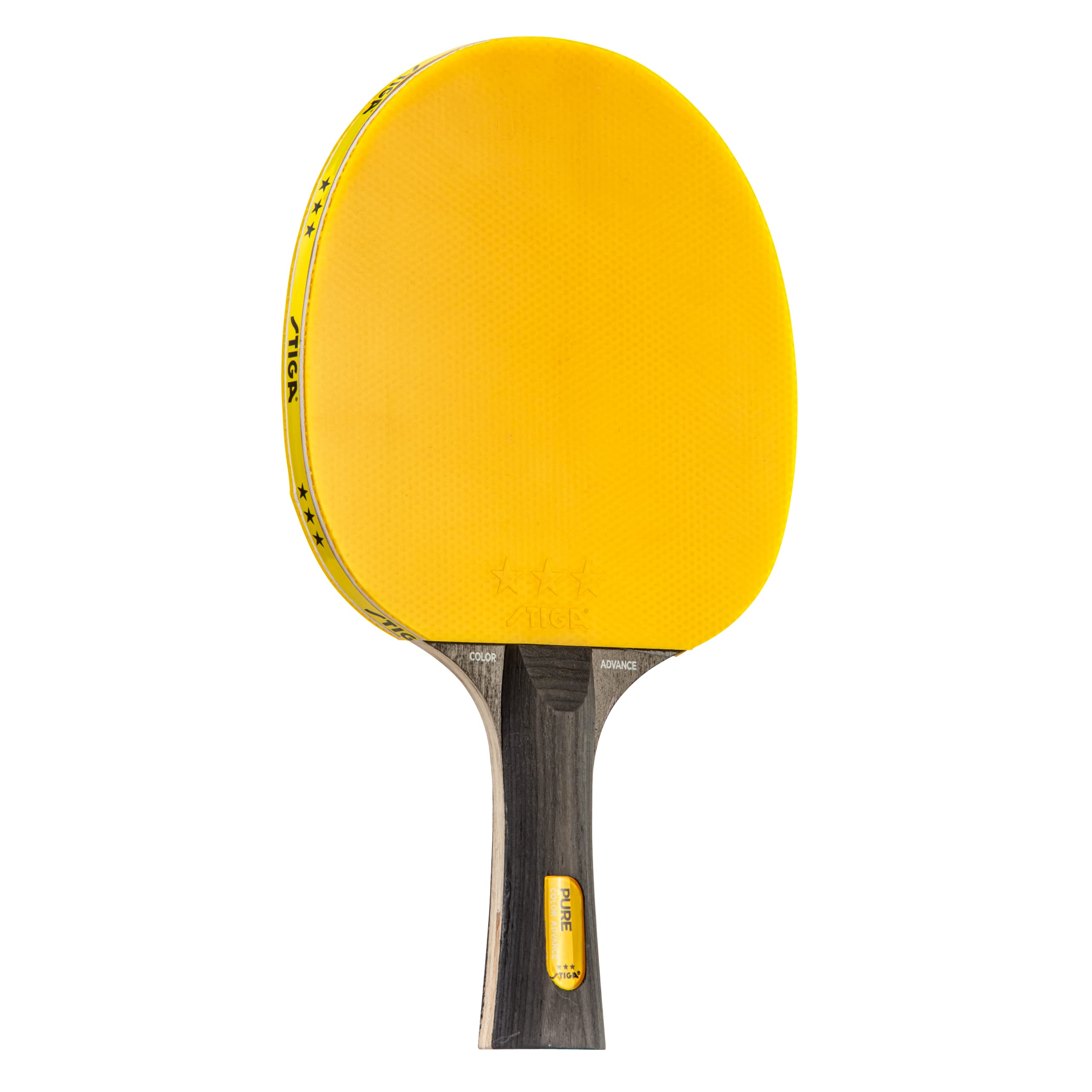
The paddle is the most important tool for any player. Pick one that feels good in your hand. Look for a paddle with a good grip and balance. Different paddles offer various levels of spin and speed. Beginners should start with an all-around paddle for better control.
Selecting Quality Table Tennis Balls
Use balls that are smooth and round. The standard size is 40mm. Balls come in different star ratings, with three stars being the best quality. Good balls bounce well and last longer. Practice with consistent balls to improve your accuracy.
Proper Table Tennis Table
A sturdy and flat table makes practice effective. The standard table size is 9 feet long and 5 feet wide. Look for tables with a smooth surface for consistent ball bounce. If space is limited, consider a foldable or mini table for practice.
Wearing Comfortable Sportswear
Wear clothes that allow easy movement. Light and breathable fabrics keep you cool. Proper shoes with good grip prevent slips and help quick footwork. Comfort in clothing improves your focus and performance during play.
Mastering Grip Types
Mastering grip types is crucial for improving table tennis skills. The way you hold the paddle affects control, power, and spin. Each grip offers unique advantages and suits different playing styles.
Understanding grips helps you choose the best one for your style. Practicing the right grip leads to better shots and faster reactions.
Shakehand Grip
The shakehand grip is the most common grip worldwide. It looks like shaking someone’s hand. This grip offers strong forehand and backhand strokes. It provides good control and power. Beginners find it easy to learn and use.
Penhold Grip
The penhold grip resembles holding a pen. It allows quick wrist movement for fast attacks. Players using this grip excel at close-to-the-table play. It offers excellent control on the forehand side. Backhand can be harder but improves with practice.
Choosing The Right Grip
Try both grips to see which feels natural. Consider your playing style and comfort. Stick with one grip to build muscle memory. Changing grips often can slow your progress.
Perfecting Footwork
Good footwork is the key to quick and smooth movements in table tennis. It helps you reach the ball faster and maintain balance. Perfecting footwork improves your overall control and timing during matches.
Focus on staying light on your feet. Avoid standing flat-footed, which slows your reaction. Small, quick steps keep you ready to move in any direction.
Understanding Basic Foot Positions
Start with the ready stance. Keep your feet shoulder-width apart. Bend your knees slightly for better balance. Position your weight on the balls of your feet. This stance allows fast and easy movement.
Practicing Side-to-side Movement
Side steps help you follow the ball across the table. Push off with one foot and step sideways with the other. Keep your steps small and controlled. Practice moving quickly but without losing balance.
Improving Forward And Backward Steps
Move forward to attack and backward to defend. Use short, quick steps instead of long ones. This keeps your body ready to change direction fast. Balance is vital while moving forward or backward.
Footwork Drills For Speed And Agility
Set cones or markers around your practice area. Move quickly between them using side steps and forward-backward steps. Time yourself to increase speed gradually. Repeat drills regularly to build muscle memory.
Combining Footwork With Stroke Practice
Footwork alone is not enough. Move your feet before hitting the ball. Practice hitting strokes from different positions. This trains your body to work as one unit. Smooth footwork leads to better shots and fewer mistakes.
Forehand Drive Techniques
Forehand drive is a basic but essential stroke in table tennis. It helps players attack and control the ball. Learning good forehand drive techniques improves consistency and power. Small changes in grip, stance, and swing make a big difference. Practicing these techniques builds confidence and skill.
Proper Grip And Stance
Hold the racket firmly but not too tight. Use a shakehand grip for better control. Stand with feet shoulder-width apart. Keep knees slightly bent for balance. Position your body sideways to the table. This stance allows quick and smooth forehand swings.
Smooth Swing Motion
Start the swing from the waist, not just the arm. Move the racket forward and slightly upward. Aim to hit the ball at the highest point possible. Follow through with your racket after contact. A smooth swing creates good speed and spin on the ball.
Timing And Ball Contact
Watch the ball carefully as it approaches. Hit the ball just before it drops too low. Contact the ball in front of your body. Good timing helps you control the direction and power. Practice hitting the ball consistently at the right moment.
Footwork And Positioning
Stay light on your feet to move quickly. Adjust your position to meet the ball easily. Step in with your opposite foot during the swing. Good footwork supports a strong and balanced forehand drive. Train your movement to improve reach and reaction.
Backhand Drive Techniques
The backhand drive is a key stroke in table tennis. It helps players return the ball with speed and control. Using the backhand drive well can put pressure on your opponent. It also allows you to keep the ball low and fast over the net.
Practicing backhand drive techniques builds confidence. It improves your ability to play both defensive and attacking shots. Small changes in grip, stance, and swing can make a big difference. Focus on smooth, precise movements for better results.
Understanding The Proper Grip For Backhand Drive
Hold the paddle firmly but not too tight. Use a shakehand grip to keep the wrist flexible. The thumb should rest on the paddle’s rubber for control. This grip helps in guiding the ball accurately during a backhand drive.
Correct Stance And Positioning
Stand with feet shoulder-width apart. Keep knees slightly bent and body balanced. Position yourself close enough to the table to reach the ball easily. Keep your weight on the balls of your feet for quick movement.
Executing The Backhand Drive Swing
Start with the paddle near your body. Swing the paddle forward and slightly upward. Use your forearm and wrist to generate power. Contact the ball in front of your body for better control. Follow through smoothly after hitting the ball.
Timing And Ball Contact Tips
Hit the ball at its peak bounce for maximum speed. Keep your eyes on the ball until contact. Adjust your swing speed to match the ball’s pace. Proper timing improves accuracy and reduces errors.
Common Mistakes To Avoid
Do not swing too hard or too fast. Avoid leaning too far forward or backward. Keep your wrist steady; do not snap it too much. Do not miss the ball in front of your body. Focus on balance and smooth motion for best results.
Generating Effective Spin
Generating effective spin in table tennis changes the ball’s behavior in the air and on the table. Spin makes your shots harder to predict and return. It helps control the ball’s speed and direction. Learning to add spin gives you an advantage over your opponent. This skill requires practice and attention to your racket’s motion and contact with the ball.
Understanding The Types Of Spin
There are mainly three types of spin: topspin, backspin, and sidespin. Topspin makes the ball dip quickly and bounce forward. Backspin slows the ball and makes it bounce low. Sidespin makes the ball curve left or right. Knowing these spins helps you decide which to use in each situation.
Using The Wrist For Spin
The wrist plays a key role in creating spin. A quick flick of the wrist increases the ball’s rotation. Use your wrist to brush the ball’s surface gently. This motion adds more spin than just arm movement. Practice using your wrist smoothly to control spin better.
Timing Your Stroke
Hitting the ball at the right moment affects spin quality. Strike the ball just as it rises after the bounce for topspin. For backspin, contact the ball before it reaches its highest point. Good timing lets you brush the ball’s surface properly, producing stronger spin.
Adjusting Racket Angle
The angle of your racket changes the type and amount of spin. Tilt the racket forward to create topspin. Open the racket face to produce backspin. Sidespin happens by brushing the ball from the side. Experiment with angles to find what works best for each shot.
Practicing Spin Techniques
Repetition builds muscle memory for spin shots. Start slow and focus on consistent racket movement. Use drills that emphasize brushing the ball’s surface. Record yourself to check your technique. Practice regularly to improve your control and confidence with spin.
Topspin And Backspin Shots
Topspin and backspin shots are vital skills in table tennis. They change the ball’s movement and make your play more challenging for opponents.
Topspin causes the ball to dip quickly after crossing the net. It helps you keep the ball on the table and adds speed to your shots. Backspin, on the other hand, makes the ball float and slow down. It can force your opponent to misjudge the ball’s bounce.
Understanding Topspin Shots
Topspin shots come from brushing the ball upward with your paddle. This spin makes the ball dip fast and bounce forward. Use topspin to attack and control the ball better. It helps keep the ball on the table during fast rallies. Practice hitting the ball with a smooth upward motion for strong topspin.
Mastering Backspin Shots
Backspin shots happen when you brush the ball downward. This spin slows the ball and makes it float. Backspin can confuse your opponent’s timing and cause weak returns. Use backspin for defensive shots or to set up your next move. Focus on smooth, controlled strokes to keep the ball low and spinning backward.
Combining Spins To Outsmart Opponents
Mixing topspin and backspin keeps your opponent guessing. Switch between fast topspin attacks and slow backspin pushes. This variation breaks their rhythm and creates openings. Train to change spin quickly and place the ball well. Good spin control improves your overall table tennis skills.
Serving With Variety
Serving with variety is key to keeping your opponent guessing. A predictable serve allows the other player to prepare easily. Mixing different spins, speeds, and placements makes your serve harder to read. This can create more chances to score points quickly. Practice different types of serves to find what works best for you.
Different Types Of Spin
Spin changes how the ball moves after bouncing. Topspin makes the ball dip faster. Backspin slows the ball and can make it stop or bounce backward. Sidespin curves the ball to the left or right. Use these spins alone or combine them to confuse your opponent.
Varying Serve Speed
Changing serve speed disrupts your opponent’s timing. A slow serve can make them hit too early. A fast serve gives less time to react. Use fast and slow serves alternately to keep control of the point.
Serve Placement Strategies
Serve to different spots on the table. Aim for the corners to stretch your opponent. Serve close to the net or near the edges. Changing placement forces your opponent to move and adjust quickly. This creates openings for your next shot.
Returning Different Serves
Returning different serves in table tennis challenges your reflexes and strategy. Each serve type demands a unique response. Learning to read the spin and speed improves your chances of winning points.
Practice helps you recognize patterns quickly. You react better and place the ball where your opponent struggles.
Understanding Topspin Serves
Topspin serves push the ball forward with a strong spin. The ball bounces higher and faster. To return, use a slight upward stroke. This counters the spin and keeps the ball low over the net. Aim for control rather than power.
Handling Backspin Serves
Backspin serves make the ball slow down and bounce low. The ball may even spin backward after hitting the table. Return with a gentle push or a soft lift. Avoid hitting down on the ball. This helps you keep the ball on the table.
Dealing With Sidespin Serves
Sidespin serves curve to the left or right after bouncing. Watch the racket angle of your opponent closely. Adjust your paddle angle to block or counter the spin. A steady wrist and firm grip improve control. Practice helps you judge the spin direction faster.
Improving Timing
Timing is key in table tennis. It controls how well you hit the ball. Good timing helps you return shots faster and with more accuracy. It can surprise your opponent and win points.
Improving your timing takes focus and practice. You must learn to watch the ball closely and move your paddle at the right moment. This skill grows with drills and playing games.
Understanding The Ball’s Speed And Spin
Watch the ball’s speed carefully. Some shots come fast, others are slow. Spin changes the ball’s path. Recognize these early to react well. This helps you prepare the right stroke.
Practicing Your Swing Rhythm
Keep your swing steady and smooth. Avoid rushing your stroke. Practice with a partner or robot to find a natural rhythm. This makes your hits more consistent.
Using Footwork To Match Timing
Good footwork helps you reach the ball on time. Move your feet quickly and stay balanced. This lets you position your body for better strokes. Try drills that improve your speed and coordination.
Drills To Improve Reaction Time
Try drills with quick, random shots. This trains your brain and body to react fast. Use multi-ball training to face many balls in a row. This sharpens your timing under pressure.
Building Ball Control
Building ball control is key to improving your table tennis skills. Good control helps you place the ball exactly where you want on the table. It also helps you adjust your shots easily during the game.
Focusing on ball control makes your play more consistent. It reduces mistakes and increases your confidence. Ball control is not just about hitting hard; it is about precision and touch.
Understanding The Ball’s Bounce And Spin
Watch how the ball bounces on the table. Different spins change the bounce and speed. Learn to read these changes quickly. This skill helps you react better during rallies. Practice with a partner who can vary spins and speeds. It trains your eyes and hands to work together.
Practicing Short And Long Shots
Control means hitting both short and long shots well. Short shots stay near the net. Long shots reach the far side of the table. Try drills that mix these shots. It improves your ability to change the ball’s direction. This keeps your opponent guessing and off balance.
Using Drills To Develop Ball Feeling
Drills help you feel the ball on your paddle better. Simple exercises like hitting the ball repeatedly on one spot build touch. Use slow and steady strokes first. Then increase speed without losing control. These drills improve your hand-eye coordination and timing.
Maintaining Consistent Paddle Angle
Keep your paddle angle steady when hitting the ball. Small changes affect the ball’s path a lot. Practice holding your paddle in the same position. This consistency improves accuracy. It also helps you control the ball’s spin and speed better.
Credit: dailyplanetvt.com
Using Body Rotation For Power
Using body rotation in table tennis adds real power to your shots. The rotation of your torso helps you hit the ball harder without extra effort. It also improves your balance and control during the game.
Learning to use your body, not just your arm, can change how you play. You will notice more speed and better placement on your shots.
How To Rotate Your Body Correctly
Start with your feet shoulder-width apart. Keep your knees slightly bent to stay ready. Turn your hips and shoulders together as you swing. This movement creates a coil effect that releases energy into the shot.
Keep your head steady and eyes on the ball. Avoid twisting your neck too much. Let your torso lead the movement, not your arms alone.
Timing Your Rotation For Maximum Power
Begin rotating just before hitting the ball. This timing helps build momentum. Rotate through the shot smoothly, not in a jerky way. Stop your rotation right after contact to keep control.
Practice hitting with different speeds to find your best timing. Good timing makes your shots faster and more accurate.
Common Mistakes To Avoid
Don’t rely only on your arm to hit the ball. Avoid stiff or locked hips. This limits your power and flexibility. Do not over-rotate or twist too fast. This can cause imbalance and weak shots.
Focus on a natural, relaxed rotation. Keep practicing slowly until it feels easy and smooth.
Drills For Consistency
Consistency is key to improving your table tennis skills. Drills focused on consistency help you control the ball better. They build muscle memory and improve your reflexes. Practicing these drills regularly sharpens your accuracy and timing. This section covers simple drills that boost your consistency. Each drill targets different aspects of your game.
Forehand And Backhand Drive Repetition
Stand close to the table. Hit the ball repeatedly using forehand and backhand drives. Keep your strokes smooth and controlled. Focus on hitting the ball to the same spot each time. This drill strengthens your stroke consistency. It helps you learn control over speed and placement.
Wall Rally Drill
Find a smooth wall and mark a target area. Hit the ball against the wall continuously. Try to keep the ball bouncing in the target zone. This drill improves hand-eye coordination and timing. It also trains your ability to maintain long rallies during matches.
Multiball Training
Ask a partner to feed multiple balls quickly. Focus on returning each ball accurately. This drill enhances your reaction speed and consistency. It challenges your footwork and stroke precision. Multiball training simulates fast-paced match situations.
Serve And Return Practice
Practice serving with different spins and speeds. Then, practice returning those serves accurately. This drill develops control over your serve and return game. It builds confidence in handling various spins and placements. Consistent serves and returns put pressure on your opponent.

Credit: www.youtube.com
Practice Routines At Home
Practicing table tennis at home helps improve skills steadily. It builds muscle memory and sharpens reflexes. Setting a daily routine creates discipline and progress. Even small spaces can become effective practice areas. Consistency and focus matter more than time spent.
Setting Up Your Practice Space
Choose a quiet room with enough space to move. Use a table tennis table or a similar surface. Mark your playing area clearly to avoid distractions. Keep your paddle and balls within easy reach. Good lighting improves visibility and reaction speed.
Solo Drills Without A Partner
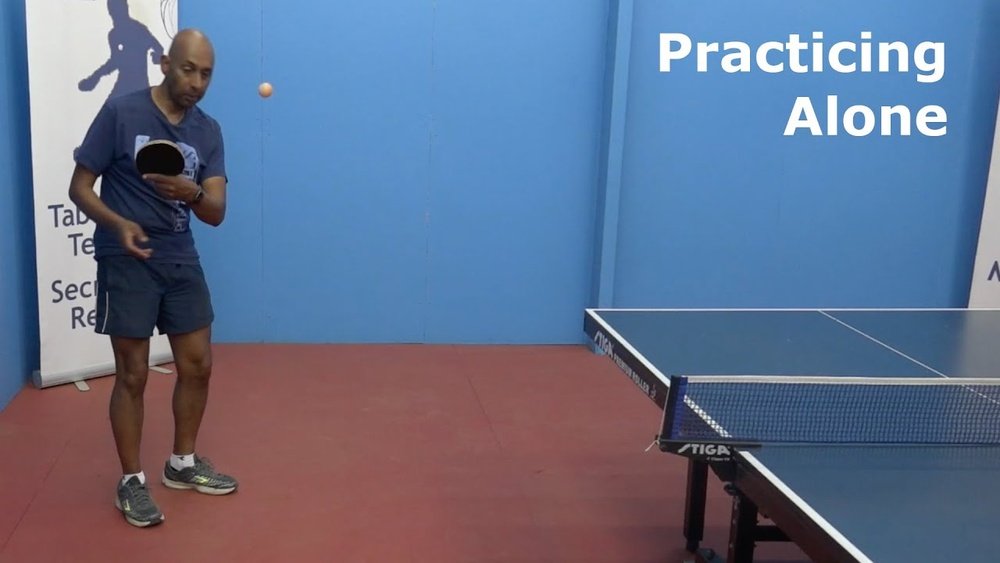
Practice ball control by bouncing the ball on your paddle. Try forehand and backhand strokes repeatedly. Use a wall to hit the ball and catch the rebound. This develops timing and strengthens your swings. Focus on consistent contact and smooth movements.
Serve Practice Techniques
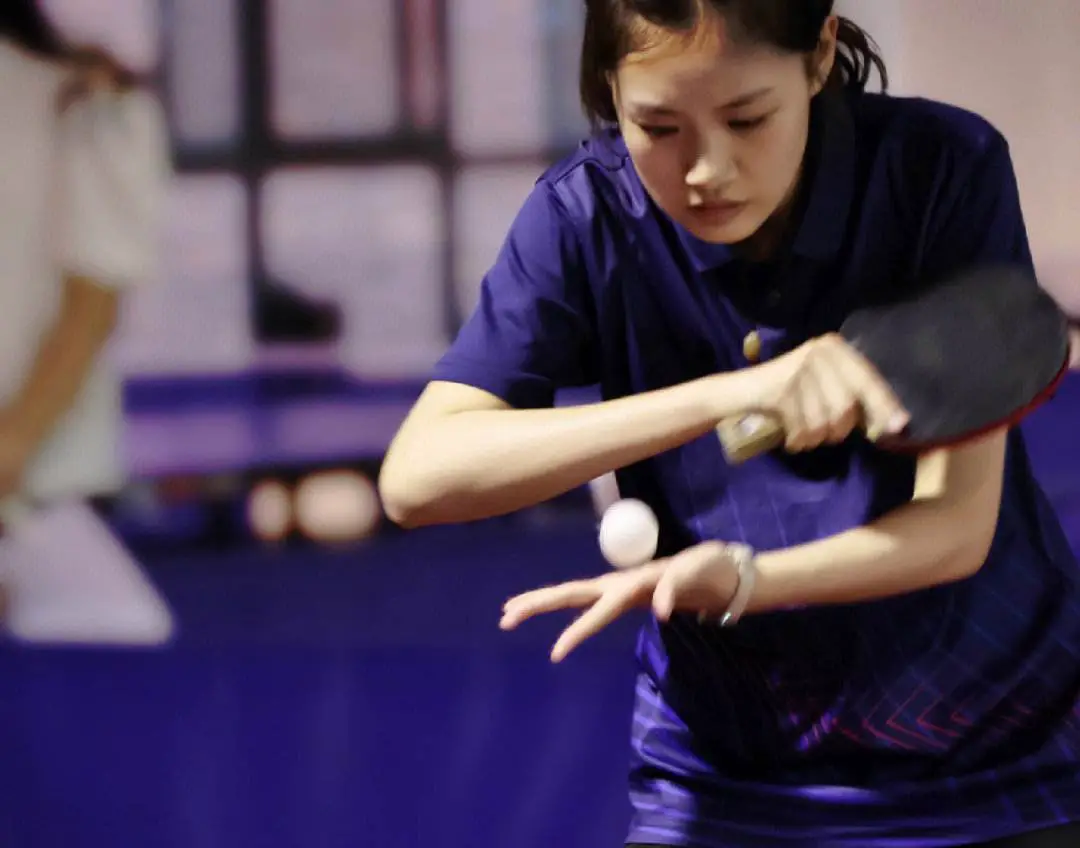
Practice different serves to confuse opponents. Work on topspin, backspin, and side-spin serves. Aim for accuracy by targeting table corners. Repeat each serve type multiple times for muscle memory. Record yourself to check for form and consistency.
Footwork And Movement Exercises
Table tennis requires quick and light footwork. Practice side-to-side steps and quick pivots. Use cones or markers to guide your movements. Move smoothly between positions as if playing a real match. Strong footwork improves balance and shot execution.
Using Training Aids At Home
Use a robot or ball launcher if available. It provides consistent ball delivery for practice. Alternatively, use a rebound board to simulate returns. Training aids help focus on specific skills without a partner. They offer variety and keep practice interesting.
Mental Focus And Relaxation
Mental focus and relaxation play a big role in improving table tennis skills. Staying calm helps players react quickly and make better decisions. Clear focus lets you track the ball and anticipate your opponent’s moves. Relaxation keeps your muscles loose and ready to move fast.
Good mental control reduces mistakes and boosts confidence during matches. Practice simple techniques to strengthen your focus and remain calm under pressure. This balance is key to consistent and strong play in table tennis.
Mental Focus Techniques
Focus on the present moment during each point. Avoid thinking about past mistakes or future points. Use deep breathing to clear your mind before each serve. Visualize hitting the ball perfectly to build confidence. Small mental cues can help keep your attention sharp.
Relaxation Methods For Better Play
Relax your shoulders and arms before each rally. Tight muscles slow your reaction time. Try stretching or shaking out your hands between points. Use slow, deep breaths to calm nerves. Staying relaxed helps you move smoothly and hit more accurately.
Combining Focus And Relaxation
Balance focus with a calm mind for best results. Being too tense can cause errors and fatigue. Too loose can lead to distraction. Practice mindfulness to stay aware of your body and mind. This helps maintain steady performance throughout the match.
Credit: www.ppongsuper.com
Developing Game Strategies
Developing effective game strategies is essential to improve your table tennis skills. It helps you play smarter, not just harder. Strategies allow you to control the pace and direction of the game. They also help you exploit your opponent’s weaknesses.
By planning your moves, you can anticipate your opponent’s shots. This gives you a better chance to respond with precision. A well-thought-out strategy boosts your confidence and makes each point more meaningful.
Understanding Your Opponent’s Style
Observe how your opponent plays at the start. Notice their favorite shots and movements. Are they aggressive or defensive? Do they prefer forehand or backhand? Recognizing these patterns helps you decide where to place your shots.
Targeting their weaker side can force mistakes. Also, changing your pace can disrupt their rhythm. This makes it harder for them to predict your next move.
Planning Your Serve And Return
The serve is your first chance to gain advantage. Practice different types of serves like topspin, backspin, and sidespin. Vary the speed and placement to confuse your opponent.
On returns, focus on reading the spin and adjusting your racket angle. Returning with control sets up your next shot. A strong serve and return strategy puts you in control from the beginning.
Using Footwork To Gain Advantage
Good footwork lets you reach the ball quickly and stay balanced. This improves your shot accuracy. Move lightly on your feet and stay on your toes. Position yourself so you can hit forehand and backhand shots easily.
Proper footwork also helps you recover fast after each shot. This keeps you ready for the next move. Practice drills that improve your speed and agility for better court coverage.
Analyzing Opponents’ Weaknesses
Understanding your opponent’s weaknesses gives you a clear advantage in table tennis. It helps you plan your shots and control the game pace. Observing carefully during matches reveals patterns and habits your opponent follows. Spotting these can lead to better shot choices and more points.
Focus on their less confident shots and areas where they struggle. This insight allows you to target those spots and increase your chance of winning. Keep watching their footwork, stroke speed, and positioning. Each detail offers clues to their weak points.
Observing Playing Style And Patterns
Watch how your opponent plays each point. Notice if they favor one side or type of stroke. Some players rely heavily on their forehand and avoid backhand shots. Others may struggle with fast balls or spin. Recognize these habits early to shape your strategy.
Identifying Weaknesses In Footwork
Good footwork is key in table tennis. Check if your opponent moves quickly and smoothly. Slow or awkward movement means they may miss fast returns. Force them to move side to side or forward and backward. This can expose gaps in their defense.
Exploiting Serve And Return Weaknesses
Study how your opponent serves and returns. Some players have weak returns against certain spins. Others may struggle to handle short or wide serves. Tailor your serves to confuse and pressure them. Use varied spins and placements to create mistakes.
Adjusting Tactics During The Match
Keep adapting based on what you learn as the match goes on. If a tactic works well against your opponent, use it more often. If they start to adjust, change your plan again. Flexibility in your approach helps keep your opponent off balance.
Benefits Of Club Training
Training at a table tennis club offers many benefits that help improve your skills faster. Clubs provide a focused environment with proper equipment and space. You get to practice regularly and develop consistency in your play.
Joining a club connects you with players of different levels. This variety challenges you and broadens your experience. Coaches and experienced players give feedback, helping you fix mistakes quickly.
Improved Practice Quality
Clubs have good tables, balls, and lighting. This setup makes practice more effective. You can focus on your technique without distractions. Regular practice in the right place builds strong habits.
Access To Expert Coaching
Coaches at clubs teach correct strokes and footwork. They offer drills to improve your speed and control. Coaching helps you learn faster than practicing alone. You get tips tailored to your skill level.
Playing Against Different Opponents
Clubs bring together players with varied styles. Facing many types of play improves your adaptability. You learn to handle different spins and speeds. This experience prepares you for real matches.
Motivation And Consistency
Training with others creates a sense of community. Seeing others practice pushes you to keep going. Club schedules help you build a regular routine. Consistent practice is key to improving skills.
Opportunities To Join Competitions
Many clubs organize tournaments and friendly matches. Competitions help test your skills under pressure. Playing in events boosts your confidence and focus. It also shows areas you need to improve.
Using Video Analysis
Using video analysis can transform how you improve your table tennis skills. Watching your play on video helps you see details that you miss during practice. It shows your strengths and areas that need work. This method allows you to track progress over time.
Recording your matches or training sessions is simple. Use a smartphone or camera to capture your movements clearly. Watching the clips slowly helps you focus on specific actions like footwork, strokes, and timing. This clear view can make practice more effective.
How To Record Your Table Tennis Practice
Set up your camera where it covers your whole body and the table. Ensure good lighting for clear videos. Record different drills and match plays. Try to capture various angles by moving the camera or using multiple devices. This variety gives a complete view of your technique.
Analyzing Your Footwork And Positioning
Footwork is key to reaching the ball quickly. Watch your movement patterns in slow motion. Notice if you shuffle your feet or take big steps. Check if you stay balanced and ready after each shot. Improving your positioning helps you respond faster and hit better shots.
Spotting Mistakes In Your Stroke Technique
Look closely at how you swing your paddle. Check your arm and wrist movement during forehands and backhands. Notice if your strokes are smooth or jerky. Identify moments when you miss timing or angle. Correcting these errors can improve your shot accuracy and power.
Keep your videos organized by date. Review them regularly to see changes and improvements. Compare your current play with past videos to spot growth areas. Celebrate small wins and adjust your practice focus based on what you see. This ongoing process helps you improve steadily.
Tracking Progress Over Time
Tracking progress over time is a key part of improving your table tennis skills. It helps you see how much you have improved and what needs more work. Keeping a record of your training and matches shows clear patterns. This motivates you and guides your practice sessions. Without tracking, it is hard to know if your efforts are paying off.
Setting Clear Goals
Start by setting simple and clear goals for each practice. Write down what you want to achieve. Goals could be improving your serve, footwork, or control. Having goals makes your progress easier to measure. You can check if you meet these goals after each session.
Using A Training Journal
A training journal is a great tool to track your progress. Note down what drills you did and how you performed. Record scores, successful shots, and areas where you struggled. This helps you find strengths and weaknesses over time. Review your journal weekly to adjust your practice plan.
Recording Practice Sessions
Video recording your practice sessions helps in tracking progress. Watching your videos shows your technique and movement clearly. You can spot mistakes that you might miss during play. Compare videos from different days to see improvements. This visual feedback is very useful for learning.
Tracking Match Results
Keep track of your match results and stats. Write down wins, losses, and the score of each game. Note the types of shots that worked well or failed. Tracking match results shows how your skills perform under pressure. It also helps identify patterns against different opponents.
Using Technology And Apps
Table tennis apps and technology can help track your progress easily. Some apps record your scores and analyze your shots. They provide detailed reports on your strengths and weaknesses. Using apps adds structure to your training. It makes tracking more accurate and fun.
Frequently Asked Questions
How Do I Improve My Table Tennis Skills?
Practice serves, returns, and footwork regularly. Master spin techniques and improve timing. Analyze videos of skilled players. Focus on consistent drills and correct flaws. Play with better partners to gain experience and feedback.
Is There A 7 0 Rule In Table Tennis?
There is no official “7 0 rule” in table tennis. Some informal games may end if one player leads 7-0, but it’s not a standard rule.
What Are The 7 Basic Skills In Table Tennis?
The 7 basic table tennis skills are: forehand drive, backhand drive, serve, return of serve, footwork, topspin, and blocking. Master these skills to improve your game and control during matches.
How To Hit Hard In Ping Pong?
Bend your knees and stay on your toes for quick movement. Use a strong backswing and engage your whole body to generate power. Focus on timing and hit through the ball with controlled aggression. Practice consistently to improve your hard-hitting skills in ping pong.
How Can I Improve My Table Tennis Footwork Quickly?
Practice side-to-side and forward-backward drills daily to build speed and balance.
What Is The Best Way To Practice Table Tennis Serves?
Use varied spin and placement to confuse your opponent and gain advantage.
How Do I Develop Better Ball Control In Table Tennis?
Focus on gentle touch drills and slow returns to improve feeling and accuracy.
Why Is Timing Important In Table Tennis Play?
Good timing helps you hit the ball at the best moment for control and power.
How Can I Practice Topspin Shots Effectively?
Start with slow swings, brushing the ball upwards to create spin and speed.
What Drills Help Improve Reaction Speed In Table Tennis?
Try irregular ball feeding and random placement drills to boost quick responses.
Conclusion
Improving your table tennis skills takes regular practice and focus. Work on your footwork, timing, and strokes daily. Watch skilled players to learn new techniques. Keep drills varied to challenge yourself and stay motivated. Remember, small improvements add up over time.
Stay patient and enjoy every step of progress. Playing with others also helps sharpen your skills faster. Keep your goals clear and practice with purpose. Your game will get better with effort and consistency. Have fun and keep hitting the ball!