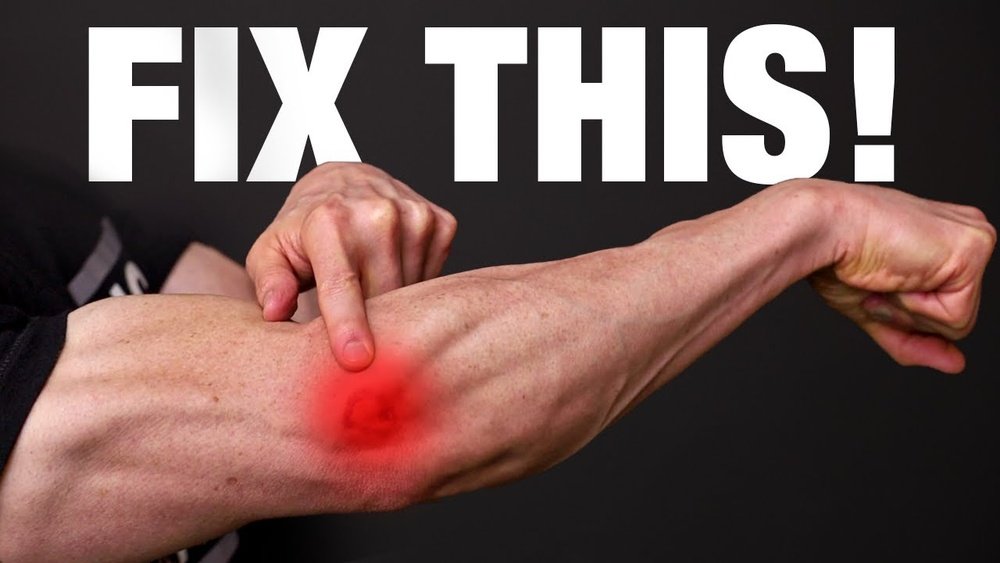
Are you tired of the constant nagging pain in your elbow that just won’t go away? Tennis elbow can hold you back from doing the things you love, whether it’s sports, work, or simple daily tasks.
But what if you could fix it—permanently? This isn’t about quick fixes or temporary relief. You need a clear, effective plan that targets the root cause and helps you regain strength and freedom. You’ll discover proven steps to heal your tennis elbow for good, so you can stop worrying about pain and start living fully again.
Ready to take control of your recovery? Let’s dive in.
Symptoms And Causes
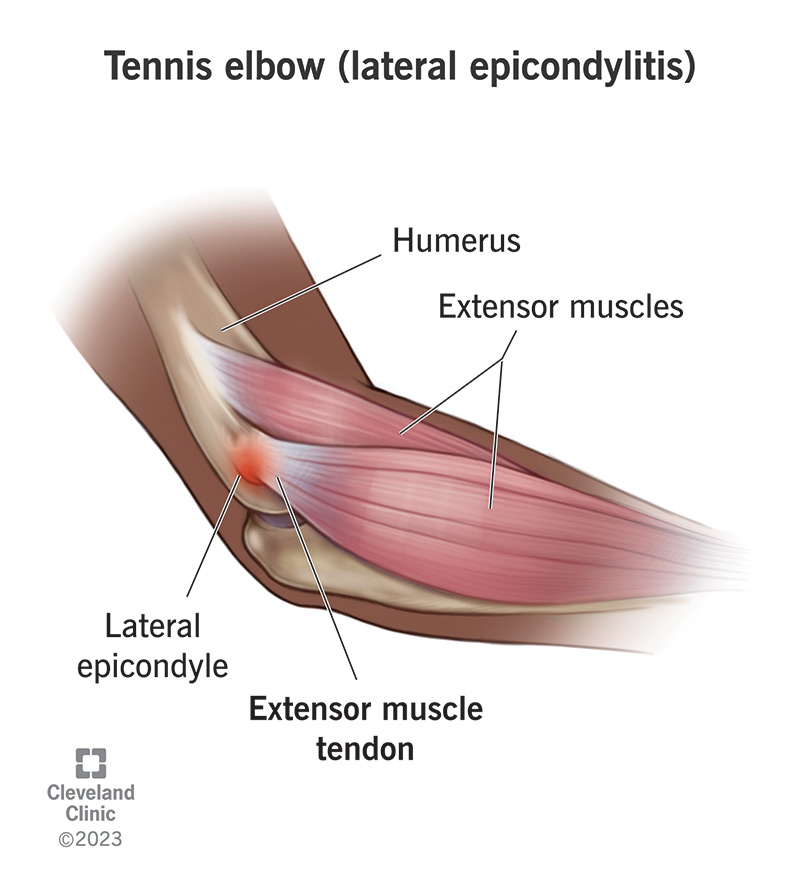
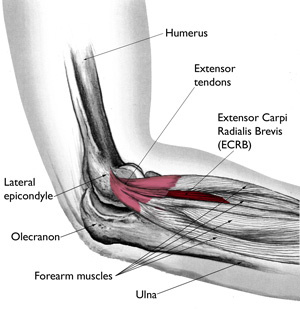
Tennis elbow causes pain and discomfort in the outer elbow area. Understanding symptoms and causes helps in effective treatment. Symptoms usually start mild but can worsen over time. Early recognition prevents long-term damage and speeds recovery.
Symptoms Of Tennis Elbow
Pain appears on the outside of the elbow. It may feel sharp or burning. The pain often worsens with wrist or arm movement. Weak grip strength makes holding objects hard. Swelling and tenderness can also occur. Some people notice stiffness in the elbow joint. Daily tasks like shaking hands or turning doorknobs become painful.
Common Causes Of Tennis Elbow
Tennis elbow happens from overusing forearm muscles. Repetitive motions strain the tendons attaching muscle to bone. Activities involving gripping, lifting, or twisting increase risk. Sports like tennis and golf often cause this condition. Jobs requiring manual work or computer use can also lead to it. Poor technique or lack of rest makes symptoms worse. Tendons slowly develop small tears, causing inflammation and pain.
Rest And Activity Modification
Rest and activity modification play a key role in fixing tennis elbow permanently. Allowing the injured tendons to heal requires stopping or reducing movements that cause pain. This approach lowers inflammation and prevents further damage.
Adjusting daily activities helps protect the elbow. Simple changes can ease strain on the forearm muscles. This step supports long-term recovery and reduces the chance of re-injury.
Stop Painful Activities
Identify actions that cause elbow pain. Avoid heavy lifting, repetitive gripping, and twisting motions. Take breaks often during tasks that stress your forearm. This rest helps calm inflammation and speeds healing.
Modify Work And Sports Movements
Change how you perform certain tasks. Use ergonomic tools and proper techniques. For sports, adjust your swing or grip size. These changes reduce pressure on the tendon and lower pain.
Use Supportive Bracing
Wear a counterforce brace around the forearm. This brace decreases stress on the injured tendon. It allows the muscles to rest while still letting you stay active.
Plan Gradual Return To Activity
Resume movements slowly after pain eases. Increase intensity and duration step-by-step. Monitor your elbow’s response to avoid setbacks. This careful approach promotes lasting recovery.
Using Braces For Support
Using braces for support plays a key role in fixing tennis elbow permanently. Braces reduce strain on the injured tendons. They help the muscles and tendons heal faster. Wearing a brace also prevents further damage during daily tasks.
Braces provide targeted compression around the elbow. This compression eases pain and swelling. It also improves blood flow to the area. Support from a brace limits harmful movements that worsen the injury.
What Types Of Braces Help Tennis Elbow?
Counterforce braces are the most common choice. They wrap around the forearm just below the elbow. These braces relieve tendon pressure during movement. Another type is the elbow sleeve, which offers gentle compression around the joint. Both options protect the tendons while allowing normal use.
How To Wear A Tennis Elbow Brace Correctly
Place the brace snugly but not too tight. It should sit about two inches below the elbow joint. Adjust the strap so it feels firm but comfortable. Wear the brace during activities that cause pain. Remove it at night to allow circulation.
Benefits Of Using Braces For Tennis Elbow
Braces reduce pain by limiting stress on the elbow tendons. They support healing by stabilizing the muscles and tendons. Wearing a brace helps maintain daily activity levels safely. This support prevents re-injury and aids permanent recovery.
Nsaids And Pain Relief
NSAIDs and pain relief play a key role in managing tennis elbow symptoms. These medicines reduce inflammation and ease pain. They help you stay active while healing takes place. Using NSAIDs correctly supports your recovery without over-relying on medications.
NSAIDs, or nonsteroidal anti-inflammatory drugs, include common options like ibuprofen and naproxen. These drugs lower swelling around the tendons. Less swelling means less pain and better movement. Topical NSAIDs, applied as gels or creams, also provide targeted relief.
How Nsaids Help Tennis Elbow
NSAIDs block enzymes that cause inflammation. This reduces pain signals sent to your brain. They also improve blood flow to injured tissue, aiding repair. Using NSAIDs during the early stages of injury limits damage. They do not fix the tendon but make symptoms manageable.
Proper Use Of Nsaids
Take NSAIDs as directed on the label or by a doctor. Avoid long-term use without medical advice. Use the lowest effective dose for the shortest time needed. Combining NSAIDs with rest and ice improves results. Watch for side effects like stomach upset or rash.
Other Pain Relief Options
Along with NSAIDs, cold packs reduce swelling and numb pain. Over-the-counter pain relievers like acetaminophen ease discomfort but do not reduce inflammation. Physical therapy and braces provide support and strengthen muscles. These methods work best combined for lasting relief.
Ice Therapy Benefits
Ice therapy offers powerful benefits for tennis elbow recovery. It helps reduce pain and swelling quickly. Applying ice to the affected area slows down blood flow. This lowers inflammation and eases discomfort. Many find ice therapy a simple, effective way to support healing.
Regular use of ice can prevent the injury from worsening. It also allows the elbow tissues to repair themselves. Ice therapy is a natural method that complements other treatments. It works well alongside rest, braces, and gentle exercises.
How Ice Reduces Inflammation
Ice causes blood vessels to narrow. This limits fluid buildup around the injured tendons. Less swelling means less pressure and pain. Cooling the area also numbs nerve endings. This further reduces the pain signals sent to the brain.
When To Apply Ice For Best Results
Use ice right after any activity that causes pain. Apply for 15 to 20 minutes at a time. Repeat every two to three hours during the first two days. Always place a cloth between ice and skin to avoid frostbite. Consistency is key to controlling inflammation effectively.
Ice Therapy Tips For Tennis Elbow
- Use a cold pack or a bag of frozen vegetables.
- Keep the elbow elevated while icing for better fluid drainage.
- Avoid icing for more than 20 minutes to protect skin.
- Combine ice therapy with rest and gentle stretching.
Heat Therapy Advantages
Heat therapy offers effective relief for tennis elbow pain. It improves blood flow to the injured area. This helps muscles and tendons heal faster. Applying heat also reduces stiffness and improves flexibility.
Using heat therapy regularly can support long-term recovery. It soothes aching muscles and lowers discomfort. Heat therapy is simple and can be done at home. It complements other treatments like physical therapy and rest.
Increases Blood Circulation
Heat causes blood vessels to widen. This boosts blood flow around the elbow. Better circulation brings oxygen and nutrients to damaged tissues. These elements help repair tendons and reduce pain.
Relieves Muscle Stiffness
Heat softens tight muscles near the elbow. It decreases stiffness and tension. This makes bending and moving the arm easier. Less stiffness means less pain during daily activities.
Reduces Pain Sensation
Heat therapy calms nerve endings in the skin. It lowers the signals that carry pain messages. This creates a soothing effect on the elbow. Pain relief helps you stay active and heal faster.
Supports Flexibility And Movement
Heat warms up the tissues before exercise or therapy. Warm muscles stretch better and are less likely to tear. This improves elbow mobility and strength over time. Good movement is key to fixing tennis elbow permanently.
Stretching Exercises
Stretching exercises help improve flexibility and reduce tension in the forearm muscles. They play a key role in healing tennis elbow. Regular stretching can prevent stiffness and promote blood flow to the injured area.
These exercises target the tendons and muscles around the elbow. Doing them gently and consistently supports long-term recovery. Avoid pushing too hard to reduce pain and avoid further damage.
Wrist Extensor Stretch
Extend your arm straight with the palm facing down. Use the other hand to gently pull the fingers back towards you. Hold this stretch for 15 to 30 seconds. Repeat 2 to 3 times on each arm. This stretch loosens the muscles that attach near the elbow.
Wrist Flexor Stretch
Extend your arm with the palm facing up. Use the opposite hand to pull the fingers back gently. Keep the stretch steady for 15 to 30 seconds. Repeat 2 to 3 times per arm. This exercise helps relax the muscles on the inside of the forearm.
Forearm Pronation And Supination
Bend your elbow at 90 degrees with your thumb pointing up. Slowly rotate your forearm so the palm faces up, then down. Repeat this motion 10 to 15 times. This movement improves the strength and flexibility of the forearm muscles.
Elbow Range Of Motion Stretch
Bend and straighten your elbow slowly as far as comfortable. Do this 10 to 15 times. This exercise keeps the elbow joint flexible and reduces stiffness. It supports healing by maintaining normal joint movement.
Strengthening Exercises
Strengthening exercises are key to fixing tennis elbow permanently. They help rebuild the muscles and tendons around the elbow. Stronger muscles reduce stress on the injured area. This lowers pain and prevents future injuries.
Start with simple exercises and increase intensity slowly. Consistency matters more than speed. Daily practice improves healing and arm function. Avoid exercises that cause sharp pain.
Wrist Extensor Strengthening
Hold a light dumbbell or water bottle. Rest your forearm on a table, palm down. Slowly lift your wrist upward. Lower it back down with control. Repeat 10-15 times for 2-3 sets. This strengthens muscles that support the elbow.
Wrist Flexor Strengthening
Hold a light dumbbell with your palm facing up. Rest your forearm on a table. Slowly lift your wrist upward. Lower it back down slowly. Perform 10-15 repetitions for 2-3 sets. This exercise balances strength around the elbow joint.
Use a flexible rubber band or a lightweight resistance band. Hold the band with both hands. Twist your forearm outward against the band’s resistance. Return slowly to the start position. Do 10-15 reps for 2-3 sets. This eccentric exercise targets tendon healing.
Grip Strengthening
Squeeze a soft ball or stress ball firmly. Hold the squeeze for 5 seconds, then release. Repeat 10-15 times for 2-3 sets. Improving grip strength supports the elbow and reduces pain.
Forearm Pronation And Supination
Hold a light dumbbell vertically. Rotate your palm up (supination) and then down (pronation). Move slowly and with control. Do 10-15 repetitions for 2-3 sets. This improves forearm muscle balance and joint stability.
Eccentric Training Techniques
Eccentric training techniques play a key role in fixing tennis elbow permanently. These exercises focus on the controlled lengthening of muscles. This process helps repair and strengthen damaged tendons. It also improves tendon resilience and reduces pain over time.
Research shows eccentric exercises can rebuild tendon strength better than other methods. They encourage tendon healing by applying gentle stress. This stress triggers the body to produce new collagen fibers. Proper collagen alignment improves tendon structure and function.
What Is Eccentric Training?
Eccentric training involves slowly lowering or extending a muscle under tension. For tennis elbow, it targets the forearm muscles attached to the elbow tendons. The goal is to lengthen these muscles in a controlled way. This action helps repair tiny tears in the tendon tissue.
How To Perform Eccentric Exercises For Tennis Elbow
Start with light weights or resistance bands. Hold the weight with your palm facing down. Slowly lower your wrist down over 3 to 5 seconds. Use your other hand to lift your wrist back up. Repeat for 15 to 20 reps. Do 2 to 3 sets daily.
Benefits Of Eccentric Training For Tennis Elbow
This training improves tendon healing and reduces pain. It builds strength without overloading the injured tendon. Eccentric exercises increase blood flow to the area. Better circulation helps remove damaged tissue and brings nutrients for repair.
Precautions And Tips For Eccentric Training
Start slowly and increase intensity gradually. Avoid sudden or jerky movements. Stop if pain worsens during exercise. Consistency is key for long-term results. Consult a physical therapist to ensure proper form.
Credit: my.clevelandclinic.org
Tyler Twist Exercise
The Tyler Twist Exercise targets the forearm muscles to relieve tennis elbow pain. It focuses on strengthening and healing the tendons around the elbow. This exercise uses a flexible rubber bar that twists during the movement. The controlled twisting helps repair damaged tendon fibers slowly.
Consistency in performing the Tyler Twist can reduce pain and improve grip strength. It works best as part of a rehab program designed to fix tennis elbow permanently. The exercise is simple but effective for tendon recovery.
What You Need For The Tyler Twist Exercise
Use a special flexible rubber bar made for this exercise. The bar should be light and easy to hold. You can buy it online or at sports stores. No other equipment is necessary.
How To Perform The Tyler Twist Exercise
Hold the bar firmly with both hands. Twist the bar by rotating your wrists in opposite directions. Keep your elbow bent at a 90-degree angle. Slowly untwist the bar back to the start position. Repeat the twist and untwist motion for several sets.
Benefits Of The Tyler Twist Exercise
This exercise strengthens forearm muscles and tendons. It reduces pain by improving tendon healing. It also increases grip strength and flexibility. Regular practice helps prevent tennis elbow from returning.
Physical Therapy Role
Physical therapy helps heal tennis elbow by strengthening and stretching forearm muscles. Targeted exercises reduce pain and improve arm function. Consistent therapy supports lasting recovery and prevents future injury.
Physical therapy plays a key role in fixing tennis elbow permanently. It focuses on reducing pain and restoring strength. Therapists guide patients through specific exercises that target the forearm muscles and tendons.
Regular therapy helps improve blood flow to the injured area. This aids healing and reduces inflammation. It also teaches proper movement patterns to avoid future strain.
Stretching And Strengthening Exercises
Stretching exercises increase flexibility in the forearm muscles. Gentle stretches ease tension and improve range of motion. Strengthening exercises build muscle endurance around the elbow.
Therapists often use eccentric exercises. These slow, controlled movements help repair damaged tendons. Consistent practice strengthens the tendon and lowers the risk of re-injury.
Manual Therapy Techniques
Manual therapy involves hands-on treatment by a therapist. It includes massage and joint mobilization to ease pain. This therapy reduces stiffness and improves blood circulation.
These techniques break down scar tissue and promote tendon healing. They also help relax tight muscles that strain the elbow joint.
Education And Activity Modification
Physical therapists educate patients about avoiding harmful activities. Proper posture and technique reduce stress on the elbow. They suggest changes in daily habits and sports movements.
This prevents repeated injury and supports long-term recovery. Patients learn to protect the elbow while staying active and healthy.
Avoiding Aggravating Movements
Avoiding movements that worsen tennis elbow is key to permanent relief. Straining the elbow repeatedly delays healing and increases pain. Changing daily habits protects the injured tendons and allows recovery. Careful attention to arm and wrist use reduces stress on the elbow.
Simple adjustments help you avoid common triggers. Resting and moving wisely speeds up repair. Focus on safe motions and avoid sudden force or twisting.
Stop Repetitive Wrist And Arm Motions
Repetitive motions strain the tendons connecting forearm muscles to the elbow. Typing, lifting, or sports like tennis can worsen symptoms. Limit activities that involve frequent wrist bending or gripping. Break tasks into shorter sessions with rest breaks. Use ergonomic tools to reduce arm stress.
Avoid Heavy Lifting And Sudden Jerks
Heavy lifting puts extra pressure on the elbow tendons. Sudden jerky movements cause small tears and inflammation. Choose lighter loads or ask for help. Lift objects with your whole arm, not just the wrist. Move slowly and smoothly to protect the elbow.
Modify Sports And Work Techniques
Improper technique in sports and work tasks harms the elbow. Use proper form to reduce strain on tendons. In tennis, focus on smooth swings and avoid over-gripping the racket. At work, adjust your posture and hand positioning. Training with a coach or therapist improves technique safely.
Use Supportive Bracing During Activities
Wearing a counterforce brace limits tendon stress during movement. It applies pressure below the elbow, reducing tension on injured tendons. Use the brace during activities that strain your arm. Remove it during rest to avoid muscle weakness. Bracing supports healing and prevents further damage.
Corticosteroid Injections
Corticosteroid injections offer a common treatment option for tennis elbow. These injections deliver powerful anti-inflammatory medication directly into the affected area. The goal is to reduce pain and swelling quickly.
Many patients experience relief soon after the injection. The medicine targets inflamed tendons and surrounding tissues. This can help improve movement and reduce discomfort.
Corticosteroid Injection Procedure
A doctor cleans the skin around the elbow. Then, using a thin needle, the corticosteroid is injected near the tendon. The process takes only a few minutes and causes minimal pain.
Sometimes, a local anesthetic is used to numb the area before the injection. Afterward, rest is important to allow healing to begin.
Benefits Of Corticosteroid Injections
Injections reduce inflammation faster than oral medications. This can relieve pain in a short time. Patients often find it easier to perform daily tasks.
These injections may also help avoid surgery. Many people recover using this method combined with physical therapy.
Risks And Limitations
Repeated injections may weaken tendons over time. This can increase the risk of tendon rupture. Doctors usually limit the number of injections given.
Some patients may feel only temporary relief. Injections do not fix the root cause of tennis elbow. Combining treatment with exercises is essential for lasting results.
Credit: www.covenanthealth.com
Platelet-rich Plasma Therapy
Platelet-Rich Plasma (PRP) Therapy is an innovative treatment for tennis elbow. It uses your blood’s healing power to repair damaged tendons. This therapy can reduce pain and promote faster recovery.
PRP therapy involves drawing a small amount of your blood. The blood is then spun in a centrifuge to concentrate the platelets. These platelets contain growth factors that help tissue heal.
After preparation, the platelet-rich plasma is injected into the injured area of the elbow. The injection stimulates the body’s natural healing process. It encourages tendon repair and reduces inflammation.
How Prp Therapy Works For Tennis Elbow
PRP therapy targets the damaged tendons causing tennis elbow pain. Growth factors in the plasma boost cell growth and repair. This helps rebuild tendon fibers and restore strength.
The injection also reduces inflammation in the elbow. Lower inflammation means less pain and better function. Over time, the tendon heals more completely than with standard treatments.
Benefits Of Platelet-rich Plasma Therapy
PRP therapy uses your own blood, so there is little risk of rejection. It is a minimally invasive procedure with few side effects. Many patients experience pain relief within weeks.
This therapy can shorten recovery time compared to rest or physical therapy alone. It helps heal the root cause of tennis elbow, not just symptoms. This may lead to longer-lasting results.
What To Expect During A Prp Treatment Session
The procedure usually takes less than an hour in a clinic. A small blood sample is collected and processed. You will feel a brief pinch during the injection.
After treatment, mild soreness or swelling may occur but fades quickly. Most people return to normal activities within a few days. Multiple sessions may be needed for full healing.
Surgical Options
Surgery becomes an option when other treatments fail to relieve tennis elbow. It aims to remove damaged tissue and promote healing. Surgery can help reduce pain and restore arm function.
Doctors consider surgery only after months of conservative care. The procedures vary depending on the severity and location of the injury. Recovery time depends on the type of surgery performed.
Open Surgery For Tennis Elbow
Open surgery involves making a small cut near the elbow. The surgeon removes damaged tendon tissue carefully. This method allows direct access to the injured area.
Open surgery can relieve pain and improve grip strength. Patients usually wear a brace after surgery to protect the arm. Physical therapy starts soon to regain movement and strength.
Arthroscopic Surgery
Arthroscopic surgery uses small tools and a camera inserted through tiny cuts. The surgeon views the inside of the elbow on a screen. This method is less invasive than open surgery.
Arthroscopy causes less pain and faster recovery. It also reduces the risk of infection. Patients follow a rehab plan to restore full arm use after surgery.
Recovery And Rehabilitation
Recovery includes rest, gentle exercises, and gradual strengthening. Physical therapy is crucial for regaining flexibility and power. Most patients return to normal activities within a few months.
Following medical advice helps prevent re-injury. Patience and care during rehab increase chances of permanent healing. Surgery is a step towards long-term relief from tennis elbow pain.
Recovery Timeline
The recovery timeline for tennis elbow varies by severity and treatment. Healing requires patience and proper care. Understanding the stages helps set realistic expectations. Most cases improve with consistent treatment over weeks to months.
Early rest and activity modification reduce strain on the injured tendons. Using a brace supports the elbow and eases pain. Anti-inflammatory medications help control swelling and discomfort. These steps usually take a few weeks to show improvement.
Physical therapy begins once pain decreases. It focuses on stretching and strengthening the forearm muscles. Exercises like the Tyler Twist rebuild tendon strength gradually. Therapy sessions often last 6 to 12 weeks.
Complete recovery may take 3 to 6 months. Patients must avoid activities that caused the injury during this time. Returning too soon can cause setbacks. Following the therapy plan strictly improves the chance of permanent healing.
Initial Phase: Rest And Pain Relief
Stop activities that strain the elbow immediately. Use ice packs several times daily to reduce swelling. Wear a counterforce brace to support the tendon. Take NSAIDs like ibuprofen to ease pain. This phase usually lasts 1 to 3 weeks.
Rehabilitation Phase: Physical Therapy And Strengthening
Start gentle stretching exercises under a therapist’s guidance. Gradually add eccentric strengthening exercises for the forearm. Therapy helps rebuild tendon resilience and flexibility. This phase typically lasts 6 to 12 weeks.
Long-term Phase: Return To Normal Activity
Slowly resume sports and work activities once pain is gone. Keep avoiding movements that cause discomfort. Maintain regular strengthening exercises to prevent recurrence. Full recovery often takes 3 to 6 months.
Preventing Recurrence
Preventing recurrence is key to fixing tennis elbow permanently. Healing the injury is only part of the solution. Avoiding future damage keeps your elbow strong and pain-free. Small changes in habits and care make a big difference.
Proper Warm-up And Stretching
Always warm up before any activity involving your arms. Gentle stretching prepares your muscles and tendons. It increases blood flow and reduces risk of strain. Focus on the forearm muscles with simple stretches. Hold each stretch for 15 to 30 seconds.
Build strength in your forearm to support your elbow. Use light weights or resistance bands. Perform exercises that target wrist extensors and flexors. Strengthened muscles reduce tendon stress. Start slowly and increase intensity over weeks.
Modify Your Technique
Change how you perform repetitive tasks. Use proper form in sports and work activities. Avoid sudden or forceful movements that strain the elbow. For tennis players, check your grip size and racquet weight. Small technique fixes lower injury chances.
Use Protective Gear
Wear a brace or strap during activities that stress your elbow. It helps reduce tendon tension and pain. Choose gear that fits well and stays in place. Use it especially during heavy or repetitive tasks.
Rest And Recovery
Allow time for your elbow to rest after activity. Avoid overuse and repetitive motions. Listen to your body and stop if you feel pain. Rest supports healing and prevents flare-ups. Regular breaks during work or sports are important.
Grip Strength Improvement
Improving grip strength plays a key role in fixing tennis elbow permanently. Stronger grip reduces stress on the injured tendons. It helps the muscles and tendons recover faster and prevents re-injury.
Focus on gradual and controlled exercises to build grip strength safely. Avoid pushing too hard, which may worsen the pain.
Use Grip Strengtheners Regularly
Grip strengtheners are simple tools to enhance hand and forearm muscles. Squeeze the device slowly and hold for a few seconds. Repeat for several sets daily. This exercise targets the muscles that support the elbow.
Practice Wrist Curls
Wrist curls improve the forearm muscles connected to the elbow. Use light dumbbells or resistance bands. Curl your wrist upward and then slowly lower it. Perform multiple repetitions to build endurance and strength.
Try Finger Extensions
Finger extensions balance grip strength by working opposite muscles. Use a rubber band around your fingers and open them against the resistance. This exercise prevents muscle imbalance, which often causes tennis elbow.
Include Eccentric Exercises
Eccentric exercises lengthen muscles while under tension. Slowly lower a weight with your wrist after lifting it. These exercises help rebuild damaged tendons and improve grip strength. Perform them carefully to avoid pain.
Ergonomic Adjustments
Ergonomic adjustments play a key role in fixing tennis elbow permanently. Poor posture and improper movements strain the forearm tendons. Changing how you sit, work, and move reduces this stress. These simple fixes protect your elbow from further damage and speed healing. Small changes in daily habits make a big difference over time.
Adjust Your Workstation Setup
Set your desk and chair at the right height. Keep your forearms parallel to the floor. Position your keyboard and mouse close to avoid overreaching. Use a wrist rest to support your hands during typing. Avoid leaning on your elbows while working. These changes reduce strain on elbow tendons.
Use Proper Grip And Tools
Choose tools with ergonomic handles to ease grip pressure. Avoid tight or repetitive gripping actions. Switch to lighter equipment when possible. Use padded gloves for extra cushioning during sports or work. These habits lessen tension on forearm muscles and tendons.
Improve Posture And Movement
Keep your shoulders relaxed and avoid hunching. Move your entire arm rather than just the wrist. Take short breaks every hour to stretch and rest. Practice gentle forearm stretches to maintain flexibility. Good posture and controlled movements protect your elbow over time.
When To See A Doctor
Knowing when to see a doctor for tennis elbow is important. Many cases improve with home care. Some need medical help to heal fully. Early treatment can prevent long-term damage and pain.
Watch for signs that your condition is not improving. Persistent pain or weakness means it is time to get a professional opinion. Delaying care can make the injury worse and harder to fix.
Severe Or Worsening Pain
If pain grows stronger over time, consult a doctor. Pain that stops you from doing daily tasks needs attention. This may signal more serious damage requiring medical treatment.
Limited Movement And Weakness
Difficulty moving your arm or weak grip strength are warning signs. These symptoms suggest the tendons or muscles may be damaged. A doctor can assess and recommend the right treatment.
Pain Lasting More Than Six Weeks
Persistent pain beyond six weeks needs evaluation by a healthcare provider. Long-lasting symptoms rarely heal without professional care. Early diagnosis helps speed recovery and prevents complications.
Swelling, Redness, Or Warmth Around The Elbow
Noticeable swelling or redness can indicate infection or severe inflammation. These signs require prompt medical attention. A doctor will check for underlying problems and treat them properly.
No Improvement After Home Treatment
If rest, ice, and braces do not ease pain, see a doctor. Lack of progress after several weeks means you may need stronger treatment. Physical therapy or injections could be necessary.

Credit: www.youtube.com
Frequently Asked Questions
Can Tennis Elbow Cause Hand Tremors?
Tennis elbow mainly causes pain and weak grip but can sometimes lead to mild hand tremors. Tremors are less common.
Can Children Get Tennis Elbows?
Children rarely develop tennis elbow, as it mostly affects adults. Adolescents can get it, but it is uncommon in younger kids.
What Is The Fastest Way To Cure Tennis Elbow?
The fastest way to cure tennis elbow includes rest, ice, and a brace to reduce strain. Take NSAIDs for pain relief. Follow with physical therapy focusing on stretching and eccentric exercises like the Tyler Twist. Avoid aggravating activities. Consistency and patience are essential for full recovery.
Can Tennis Elbow Cause Wrist Pain?
Tennis elbow can cause wrist pain due to forearm muscle and tendon strain. This strain affects wrist movement and grip strength. Treating tennis elbow often relieves associated wrist pain.
What Is Tennis Elbow And Its Main Cause?
Tennis elbow is pain from overusing forearm muscles, often from repetitive arm movements.
How Can I Fix Tennis Elbow Permanently At Home?
Rest, ice, use a brace, and do specific stretching exercises regularly.
Which Exercises Help Heal Tennis Elbow Quickly?
Eccentric wrist exercises and gentle forearm stretches improve strength and reduce pain.
How Long Does It Take To Heal Tennis Elbow Fully?
Healing usually takes 3 to 6 months with proper care and exercises.
Can A Brace Really Help Tennis Elbow Recovery?
Yes, a counterforce brace reduces strain on tendons and eases pain during activity.
Should I Stop All Activities If I Have Tennis Elbow?
Avoid activities that cause pain but keep gentle movements to maintain flexibility.
Conclusion
Fixing tennis elbow takes patience and consistent care. Stop activities that cause pain to let tendons heal. Use a brace to support the elbow and reduce strain. Anti-inflammatory medicines can ease pain and swelling quickly. Follow a guided physical therapy plan with specific stretches and exercises.
Eccentric training, like the Tyler Twist, strengthens tendons effectively. Avoid rushing recovery to prevent future injury. Keep up these habits to enjoy pain-free arms long term. Permanent relief comes from smart, steady effort over time.