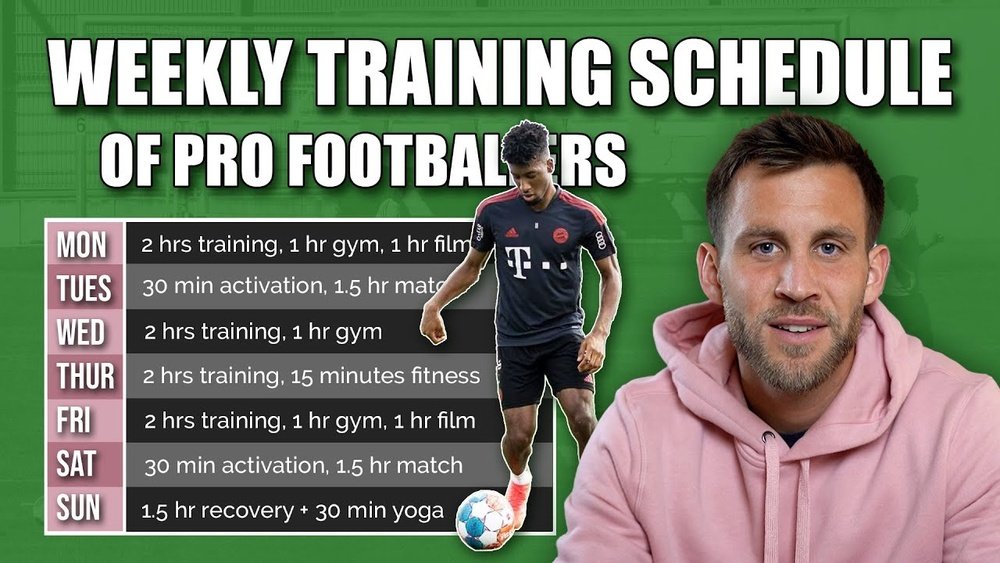
Have you ever wondered just how often Premier League players hit the training ground? If you think they only train a few times a week, think again.
Your favorite football stars follow intense, carefully planned routines that keep them at the top of their game. Understanding their training schedule can give you a fresh perspective on the dedication and discipline required to compete at such a high level.
Stick with me, and you’ll discover exactly how often these athletes train, what their days look like, and why their routines could surprise you. Ready to dive in? Let’s explore the world of Premier League training together.
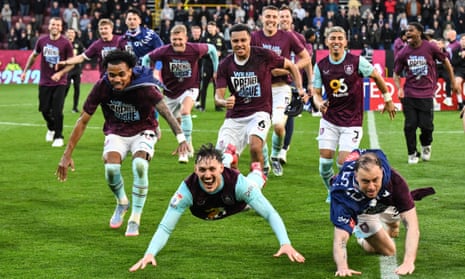
Credit: www.theguardian.com
Training Frequency
Premier League players train almost every day during the season. Consistent training keeps them in top physical condition. It also improves their skills and team tactics.
Training sessions can vary in intensity and focus. Coaches plan sessions to balance fitness, recovery, and technical work. This careful approach helps players avoid injuries.
Typical Weekly Training Schedule
Most players train five to six days a week. Training usually includes one or two rest days for recovery. On match days, players focus on warming up and post-match recovery.
Training sessions often start with warm-ups, followed by drills and tactical exercises. Players work on passing, shooting, and positioning. Strength and conditioning are also key parts of the schedule.
Training Intensity Variation
Training intensity changes based on the match calendar. Before important matches, sessions may be lighter to conserve energy. After tough games, training focuses on recovery and light exercises.
During busy periods, coaches adjust training to prevent fatigue. They mix rest, light training, and gym work. This helps players stay fresh and ready for matches.
Impact Of Training On Performance
Regular training improves stamina, speed, and strength. It also sharpens players’ tactical awareness and teamwork. Well-trained players recover faster from injuries.
Consistent training builds confidence and mental toughness. It prepares players for the physical and mental demands of the Premier League. Training frequency is a key factor in player success.
Daily Training Routine
Premier League players follow a strict daily training routine. Their schedule focuses on fitness, skills, and recovery. Every day brings a new challenge to stay at peak performance.
Training sessions are carefully planned by coaches and fitness experts. The goal is to improve strength, speed, and teamwork. Players must balance hard work with proper rest.
Morning Warm-up And Conditioning
Players start with a light warm-up to activate muscles. Stretching and jogging prepare their bodies for intense work. This reduces injury risk and increases flexibility.
After warming up, they do conditioning drills. These include sprints, agility exercises, and endurance runs. This part builds stamina for the entire match duration.
Technical Skill Training
Players focus on ball control, passing, and shooting. Coaches run drills to improve precision and speed. Tactical exercises help players understand game strategies.
Small-sided games simulate match conditions. They enhance decision-making and teamwork under pressure. Skills training is key for match success.
Recovery And Cool-down
Cool-down sessions help players recover after training. Light jogging and stretching reduce muscle soreness. Massage and ice baths speed up healing.
Nutrition and hydration are crucial during recovery. Proper rest ensures players are ready for the next session. Recovery is part of the daily routine.
Match Day Schedule
Premier League players train almost every day except match day to stay fit and sharp. Training includes drills, tactics, and recovery sessions. Match day schedules focus on rest and preparation for peak performance.
Match day is the most important day for Premier League players. Their schedule is planned carefully to keep them fresh and ready to perform at their best. Every minute counts from the moment they wake up to the final whistle.
Players start their day with a light breakfast. They avoid heavy meals to stay energetic without feeling sluggish. After breakfast, they travel to the stadium or training ground.
Pre-match Routine
Before the match, players take part in a warm-up session. This helps prepare their muscles and prevent injuries. They do light jogging, stretching, and ball drills. Coaches give last-minute instructions during this time.
Mental focus is also key. Players review tactics and visualize their roles on the pitch. The atmosphere is calm but focused.
During The Match
Once the match starts, players give their full effort for 90 minutes or more. They run, pass, and tackle continuously. Hydration breaks are used to keep energy levels high.
Substitutes stay ready on the bench. They follow the game closely and warm up if needed.
Post-match Activities
After the final whistle, players cool down with light jogging and stretching. This aids muscle recovery and reduces soreness. They then attend a team meeting to discuss the match.
Recovery treatments follow, such as ice baths or massages. Nutrition is important to restore energy quickly. Players eat balanced meals and hydrate well.
Recovery Days
Recovery days give Premier League players time to rest and heal after intense training or matches. These days help muscles repair and reduce injury risk. Players usually have one or two recovery days each week to stay fresh and ready.
What Are Recovery Days?
Recovery days are essential for Premier League players. These days help players rest and heal after intense training or matches. Without proper recovery, players risk injury and burnout.
During recovery, players focus on low-intensity activities. This helps muscles repair and reduces fatigue. Recovery days improve overall performance and keep players ready for the next challenge.
How Do Players Spend Recovery Days?
Players often do light exercises like stretching and swimming. These activities increase blood flow without stressing the body. Some also use massages or ice baths to reduce soreness.
Nutrition plays a big role on recovery days. Players eat balanced meals to replenish energy and support muscle repair. Rest and sleep are prioritized to help the body heal.
Why Are Recovery Days Important?
Recovery days prevent overtraining and injuries. They allow muscles to rebuild stronger. Players feel fresher and more focused after proper rest.
Teams plan recovery carefully to maintain peak fitness. Skipping rest can lead to fatigue and poor performance. Coaches monitor players closely to balance training and recovery.
Preseason Training
Preseason training is the foundation of a Premier League player’s season. It usually starts in early July and lasts about 4 to 6 weeks. Players focus on building fitness, strength, and team tactics during this period.
Training sessions increase in intensity as players prepare for competitive matches. Coaches design programs to improve endurance and reduce injury risk. This phase helps players regain sharpness after the off-season break.
Physical Conditioning
Players work hard on their stamina and muscle strength. Running, gym workouts, and agility drills are common. These exercises prepare the body for the demands of the season.
Technical Skills Practice
Training also focuses on ball control, passing, and shooting. Coaches organize drills to improve individual skills and teamwork. Precision and speed are key targets during this time.
Tactical Sessions
Teams practice game strategies and formations. Coaches explain their plans and players learn their roles. This helps the team play as one unit on the field.
Friendly Matches
Clubs play non-competitive games against other teams. These matches test fitness and tactics in real situations. They help players adjust to game pace before the season starts.
In-season Workouts
Premier League players follow a strict training schedule during the season. Their workouts focus on maintaining fitness and preparing for matches. The goal is to stay sharp without causing fatigue.
Training days depend on the match calendar. Players train more on non-match days and have lighter sessions before games. Recovery is a key part of their routine.
Training Frequency During The Season
Players usually train four to five times a week during the season. Training intensity changes based on match days. After a game, sessions focus on recovery and light exercise.
Types Of In-season Training
Workouts include technical drills, tactical practice, and physical conditioning. Coaches balance hard training with recovery methods. This approach helps players stay fit and injury-free.
Recovery And Rest Days
Recovery days are essential to prevent injuries. Players use massages, ice baths, and stretching. Rest helps muscles repair and improves overall performance.
Offseason Regimen
The offseason is a vital period for Premier League players. It is the time to rest, recover, and prepare for the next season. Players do not stop training completely during this break. Instead, they follow a special regimen to maintain fitness and avoid injuries.
During the offseason, training focuses more on individual needs. Players work on their weaknesses and build strength. The intensity is lower compared to the regular season, but consistency remains key.
Physical Conditioning
Players engage in light cardio exercises like jogging and cycling. This helps keep their stamina up without stressing their bodies. Strength training is also included to maintain muscle tone.
Technical Skills Practice
Many players practice ball control and passing drills. These sessions keep their skills sharp. Some use personal coaches or training facilities to train at their own pace.
Rest And Recovery
Rest days are crucial during the offseason. Players get time to heal from past injuries. Proper sleep and nutrition support their recovery process.
Preseason Preparation
As the new season approaches, training intensity increases. Players join team training sessions to build teamwork and tactics. This phase helps them get ready for competitive matches.
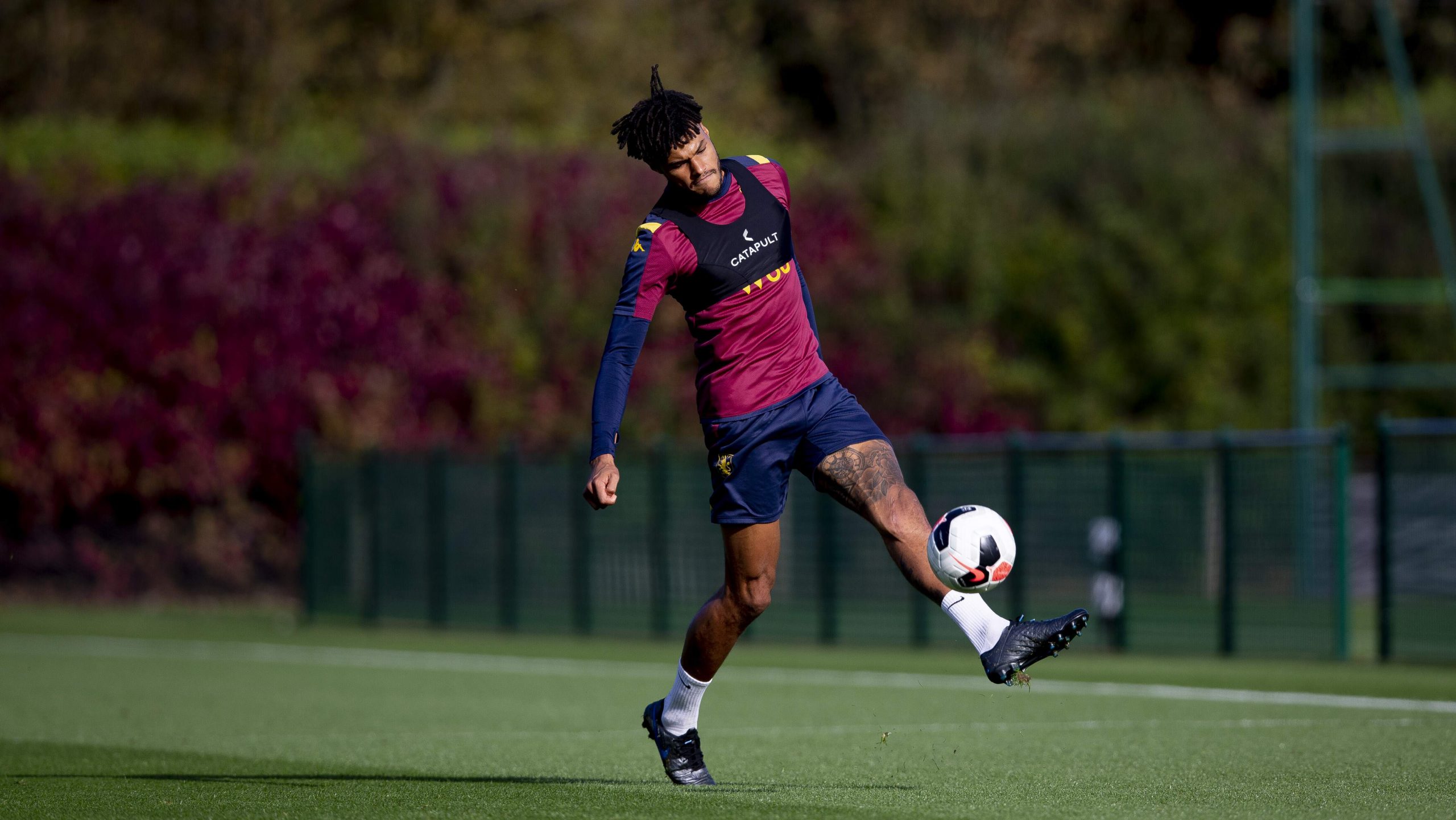
Credit: one.catapultsports.com
Training Duration
Training duration plays a key role in shaping Premier League players’ fitness and skills. Each training session is carefully timed to balance intensity and recovery. The length of these sessions varies depending on the day and the team’s schedule.
Typically, a training session lasts between 90 minutes to two hours. This period allows players to focus on physical conditioning, tactical drills, and technical skills. Coaches design sessions to keep players sharp without causing exhaustion.
Typical Length Of Training Sessions
Most Premier League clubs hold sessions that last around 90 minutes. This time includes warm-up, main exercises, and cool-down periods. The structure helps prevent injuries and improves overall performance.
Variation Based On Match Schedule
Training duration changes before and after match days. On match days, sessions are shorter and lighter. After a game, players often have recovery-focused training lasting about an hour.
Extra Sessions For Recovery And Fitness
Some players attend extra sessions for recovery or fitness work. These are usually shorter, around 30 to 45 minutes. Focus is on stretching, light jogging, or specific muscle work.
Training Intensity
Premier League players train almost every day, focusing on high intensity and recovery. Training includes physical workouts, tactical drills, and skill practice to maintain peak performance. Rest days usually follow match days to allow muscle recovery and prevent injuries.
Understanding Training Intensity
Training intensity defines how hard players work during sessions. Premier League players face high demands to stay at peak form. Each session challenges their strength, speed, and skills.
Coaches adjust intensity based on match schedules and player condition. Intense days focus on physical and tactical drills. Lighter days help players recover and avoid injury.
High-intensity Workouts
Players often engage in sprints, agility drills, and strength training. These workouts improve explosiveness and endurance. Intensity peaks before important matches to sharpen readiness.
Such sessions push players close to their physical limits. This builds stamina and resilience needed for the fast pace of Premier League games.
Recovery And Low-intensity Sessions
Not all training is about maximum effort. Recovery sessions use lighter exercises to reduce fatigue. Stretching, swimming, or low-impact drills help muscles heal.
These sessions prevent burnout and maintain player freshness. Proper recovery is vital for consistent performance throughout the season.
Balancing Intensity Throughout The Week
Training intensity varies by day and week. After a match, players follow rest or light training days. Midweek sessions often involve moderate to high intensity to build fitness.
Coaches carefully plan these cycles. The goal is to keep players strong without risking injury or exhaustion.
Strength And Conditioning
Premier League players train almost every day, focusing on strength and conditioning to stay fit. Training usually avoids match days for recovery. This routine helps players perform at their best throughout the season.
Premier League players spend a lot of time on strength and conditioning. This training helps build muscle power and prevent injuries. It also improves players’ stamina for the whole match. Coaches design specific programs to match each player’s needs.
Training sessions often include weightlifting, resistance exercises, and cardio workouts. Players focus on core strength, speed, and flexibility. These sessions usually happen two to three times a week. Proper rest between sessions is important for muscle recovery.
Weight Training
Weight training is key for building muscle strength. Players use free weights and machines to target different muscle groups. This helps improve their balance and power on the field. Weight training sessions last about 45 minutes to an hour.
Players avoid overloading muscles to reduce injury risks. Coaches monitor progress and adjust weights as needed. The goal is steady improvement over the season.
Cardiovascular Fitness
Cardio workouts boost endurance and heart health. Players run, cycle, or use machines like treadmills. These exercises keep their lungs and heart strong. Cardio training usually happens after strength sessions or on separate days.
High-intensity interval training is common. It helps players perform well in short bursts during matches. Maintaining good cardio fitness helps players recover faster between plays.
Flexibility And Mobility
Flexibility exercises reduce muscle tightness and improve movement. Players do stretching routines before and after workouts. Yoga and Pilates are sometimes included to increase mobility. This training helps prevent strains and sprains.
Good flexibility allows players to move freely and avoid injuries. Regular stretching is a vital part of their strength and conditioning plan.
Technical Skills Training
Premier League players spend a large part of their training time on technical skills. These skills include passing, dribbling, shooting, and ball control. Coaches design sessions to improve these abilities daily. Precision and speed are key focus points in every drill.
Players practice simple to complex techniques to build confidence and consistency. Training often involves small-sided games and repetitive exercises. This approach helps players react quickly during matches and maintain high performance.
Daily Drills For Ball Control
Ball control drills happen almost every day. Players work on receiving and moving the ball smoothly. Exercises include trapping the ball from different heights and angles. This helps players keep possession under pressure.
Passing And Receiving Practice
Passing accuracy is crucial in the Premier League. Training sessions emphasize short and long passes. Players practice receiving the ball cleanly and making quick decisions. These drills improve teamwork and game flow.
Shooting And Finishing Sessions
Shooting practice happens several times a week. Players focus on different shooting techniques. Coaches simulate match situations to improve finishing under pressure. Accuracy and power are trained to increase goal chances.
Dribbling And Movement Exercises
Dribbling helps players beat opponents and create chances. Training includes cone drills and one-on-one challenges. Players learn to change speed and direction quickly. These exercises sharpen agility and control.
Tactical Preparation
Tactical preparation is a key part of Premier League training. Players spend time learning team strategies. They study how to move as a group on the pitch. This helps them react quickly during matches.
Coaches use video analysis to show players what to do. They explain how to defend and attack in different situations. Players practice set pieces like corners and free kicks. This training sharpens their decision-making skills.
Team Meetings And Video Analysis
Players meet regularly to review game footage. They watch their own matches and opponents’ games. Coaches point out strengths and weaknesses. These sessions help players understand tactics better. It also builds team unity and focus.
On-field Tactical Drills
Training includes drills that mimic real match situations. Players practice positioning and passing under pressure. These drills improve communication and teamwork. They learn how to close down opponents quickly. This training takes place several times a week.
Adapting To Opponents
Each match requires a specific tactical plan. Coaches prepare players for the opponents’ style of play. This involves adjusting formations and roles. Players must be flexible and ready to change tactics. This part of training is vital before every game.
Mental Conditioning
Mental conditioning plays a key role in a Premier League player’s training schedule. It helps players stay focused and confident during matches. This training improves concentration and stress management under pressure.
Players often work with sports psychologists. These experts guide them through exercises that build mental strength. Techniques include visualization, mindfulness, and goal setting. Such tools prepare players to handle tough game moments.
Mental Focus Exercises
Players practice mental focus exercises daily. These help sharpen attention and reduce distractions. Simple drills train the brain to stay on the task at hand. This skill is vital during fast-paced matches.
Stress And Anxiety Management
Handling stress is crucial for peak performance. Players learn breathing techniques and relaxation methods. These reduce anxiety before and during games. Calm players perform better and make smarter decisions.
Building Confidence
Confidence affects how players perform on the field. Mental training includes positive self-talk and affirmations. Coaches encourage players to visualize successful plays. This builds belief and improves overall performance.
Team Mental Conditioning
Mental conditioning also occurs in group sessions. Teams work on communication and trust exercises. Strong mental bonds improve teamwork and cohesion. This leads to better coordination during matches.
Nutrition And Hydration
Nutrition and hydration are key parts of a Premier League player’s training routine. They help players stay strong and recover fast after intense sessions. Proper food and fluid intake support energy, focus, and overall health.
Players follow strict meal plans to meet their body’s needs. Hydration keeps muscles working well and avoids cramps or fatigue. Clubs employ nutrition experts to design tailored diets and hydration strategies for each player.
Nutrition Before Training
Players eat balanced meals before training. These meals include carbs for energy and protein for muscle support. Eating too much or too little can affect performance. Timing is important. Usually, meals happen 2-3 hours before training.
Hydration During Training
Water is the main drink during training. Some players use sports drinks to replace lost salts and sugars. Coaches remind players to drink often. Staying hydrated prevents tiredness and helps keep focus sharp.
Nutrition After Training
Recovery meals contain protein and carbs. Protein helps repair muscles. Carbs refill energy stores. Players eat these meals within 30 minutes after training to speed recovery. Proper nutrition reduces injury risks and boosts future training sessions.
Hydration After Training
Rehydration is a priority after practice. Players drink water and electrolyte drinks to restore fluids. This helps the body recover faster. It prepares them for the next training day or match.
Individual Vs Team Sessions
Premier League players train both as a group and on their own. This mix helps them improve skills and stay fit.
Individual and team sessions serve different purposes. Each type of training focuses on specific needs.
Individual Training Sessions
Players work alone to improve weak areas. This includes fitness, technique, and recovery exercises.
Coaches design personalized plans based on each player’s role and condition. These sessions help players reach peak performance.
Individual sessions often involve drills, running, or gym work. They allow players to focus without distractions.
Team Training Sessions
Teams train together to build chemistry and tactics. These sessions focus on passing, positioning, and teamwork.
Coaches run drills that simulate real match situations. Players practice plays and defensive strategies as a unit.
Team sessions are longer and more intense. They prepare players for the pace and pressure of matches.
Balancing Both For Success
Combining individual and team sessions is key. Players improve personal skills and also learn to work well with others.
Training schedules vary by club and player needs. Both types of sessions are planned carefully to avoid injury.
This balance helps Premier League players stay sharp and ready every match day.

Credit: www.researchgate.net
Use Of Technology In Training
Technology plays a big role in Premier League training sessions. Clubs use many tools to improve players’ skills and fitness. These tools help coaches track progress and avoid injuries.
Technology gives detailed data about each player’s performance. It helps trainers create better workout plans. Players get feedback that is clear and easy to understand.
Wearable Devices And Gps Trackers
Players often wear small devices during training. These track distance, speed, and heart rate. Coaches use this data to adjust training loads. This helps keep players fit and prevents overtraining.
Video Analysis And Performance Review
Coaches record training sessions and matches. They study videos to spot strengths and weaknesses. Players watch clips to learn and improve their tactics. This method speeds up skill development.
Virtual Reality Training
Some clubs use virtual reality to train decision-making. Players practice scenarios in a safe, controlled setting. It improves focus and reaction time without physical strain.
Data Analytics And Injury Prevention
Data experts analyze player health and performance trends. They predict injury risks and suggest rest days. This helps maintain players’ long-term fitness and availability.
Youth And Academy Training
Youth and academy training forms the foundation of Premier League success. Young players train regularly to build skills and fitness. Training focuses on technique, tactics, and teamwork.
Academy players usually train more often than senior players. Their schedules include multiple sessions each week. Coaches aim to develop strong habits early in their careers.
Training Frequency For Young Players
Most academy players train three to five times weekly. Sessions last about 90 minutes to two hours. Training often happens after school or on weekends. This routine balances education and football development.
Focus Areas In Youth Training
Coaches emphasize ball control, passing, and movement. Physical fitness and agility drills are common. Young players also learn game strategy and positioning. Mental toughness and discipline are key parts of training.
Progression Through Academy Levels
Players move through age groups as they improve. Training intensity increases with each level. Older academy players train more like professionals. This prepares them for the demands of Premier League football.
Impact Of Travel On Training
Travel plays a big role in Premier League players’ training schedules. Long trips affect how often and how hard players train. Clubs plan carefully to balance travel and training demands.
Travel can cause fatigue, which lowers training intensity. Players need extra rest after long flights or bus rides. Training sessions might be shorter or less intense to avoid injury.
Managing travel effects is key to keeping players fit and ready. Coaches adjust training plans based on travel distance and timing. Recovery becomes a higher priority during busy travel periods.
Impact Of Away Matches On Training
Away matches require players to travel far from home. Teams often fly or take long bus rides. This limits time available for normal training sessions.
Coaches focus on light workouts and recovery after away games. Heavy training is avoided to reduce stress on players’ bodies.
Travel schedules may force training on the road. Teams use hotel gyms or nearby facilities to maintain fitness.
Recovery Strategies During Travel
Recovery is vital during travel days. Players use stretching, hydration, and massage to reduce fatigue.
Sleep quality is monitored closely. Rest helps players regain energy for the next training or match.
Nutrition also supports recovery. Balanced meals aid muscle repair and energy levels.
Adjusting Training Loads Post-travel
After travel, coaches often reduce training intensity. This prevents injuries and helps players adapt.
Focus shifts to tactical drills and light conditioning. Intense physical work returns gradually over several days.
Tracking player wellness guides training adjustments. Data helps avoid overtraining and burnout.
Training Adaptations For Injuries
Training adaptations for injuries are a key part of a Premier League player’s routine. Injuries require changes in training to help players heal and stay fit. Clubs use special programs to protect injured players from further damage. These programs also keep their fitness levels as high as possible.
Each injury demands a unique training plan. Coaches and medical staff work closely to adjust workouts. The goal is to support recovery without losing strength or skill. Players often do low-impact exercises and controlled movements. This approach helps maintain muscle tone and flexibility.
Modified Training Sessions
Training sessions change based on the injury type and severity. Players might skip full-contact drills. Instead, they focus on light running, stretching, and rehab exercises. This reduces stress on the injured area. It also lowers the risk of setbacks.
Use Of Rehabilitation Equipment
Clubs use special tools like resistance bands and physiotherapy machines. These help target injured muscles safely. Water therapy and cycling are common for low-impact cardio. This equipment supports gradual strength rebuilding.
Individualized Recovery Timelines
Recovery speed varies among players and injuries. Training plans are adjusted daily or weekly. Medical teams monitor progress through tests and feedback. This ensures players return only when fully ready.
Maintaining Mental Fitness
Injuries affect mental health. Players receive support to stay motivated and focused. Mental training, including visualization and relaxation, is part of recovery. This helps players prepare for a strong comeback.
Coach And Player Collaboration
Premier League players and coaches work closely to plan training. This teamwork ensures every session targets the player’s needs. Coaches listen to players’ feedback to adjust drills and recovery times.
Players share how they feel physically and mentally. This helps coaches decide when to push harder or ease off. Together, they create a balanced training schedule that improves skills and prevents injuries.
Personalized Training Plans
Coaches design training based on each player’s role and condition. Strikers, defenders, and midfielders train differently. Personalized plans boost performance and focus on weaknesses.
Players often discuss their goals with coaches. This helps tailor workouts to improve specific skills like speed or endurance. The collaboration keeps training effective and relevant.
Communication During Training
Coaches give real-time advice during sessions. Players respond and adjust their techniques immediately. This active communication sharpens skills fast.
Players also report any pain or fatigue. Coaches then modify exercises to avoid injury. This open dialogue builds trust and improves results.
Recovery And Rest Coordination
Rest is a key part of training. Coaches and players plan recovery days together. They use massages, ice baths, and light exercises to speed healing.
Players must feel ready before intense workouts. Coaches watch carefully for signs of overtraining. This teamwork keeps players healthy and ready for matches.
Frequently Asked Questions
How Often Do Premier League Football Players Train?
Premier League players train six days a week, with one recovery day after matches. Sessions last one to two hours daily. Training intensity varies by season phase. They focus on fitness, tactics, and skills to maintain peak performance throughout the season.
What Is The 70 Rule Premier League?
The 70 Rule in the Premier League limits clubs to spend no more than 70% of their revenue on player wages.
What Is The Daily Routine Of A Premier League Footballer?
Premier League footballers train six days a week, combining gym, tactical drills, and recovery sessions. They follow strict nutrition and rest routines. Match days focus on performance and recovery, ensuring peak fitness and mental sharpness daily.
Do Real Madrid Players Train Every Day?
Real Madrid players train almost every day, usually six days a week, with one day reserved for recovery and rest. Training intensity varies by season phase.
How Many Days A Week Do Premier League Players Train?
Premier League players usually train 5 to 6 days per week to maintain peak fitness.
What Is The Typical Length Of A Training Session?
Training sessions often last between 1. 5 to 2 hours, including warm-up and drills.
Do Players Train Every Day During The Season?
Players rarely train every day; rest days are scheduled for recovery and injury prevention.
How Do Training Routines Change On Match Days?
On match days, training is light or focused on tactics and recovery after the game.
Are Training Sessions The Same For All Players?
Training varies by position, fitness level, and coach’s plan to suit individual needs.
How Important Is Rest Between Training Sessions?
Rest is crucial for muscle repair, injury prevention, and maintaining high performance levels.
Conclusion
Premier League players train almost every day to stay fit. Rest days follow matches to help recovery. Training includes physical exercises, skills, and tactics. Consistency and discipline keep players at top levels. This routine helps them perform well on match days.
Understanding their training shows the effort behind the game. Fans can appreciate the hard work players put in. Regular training is key to success in football.