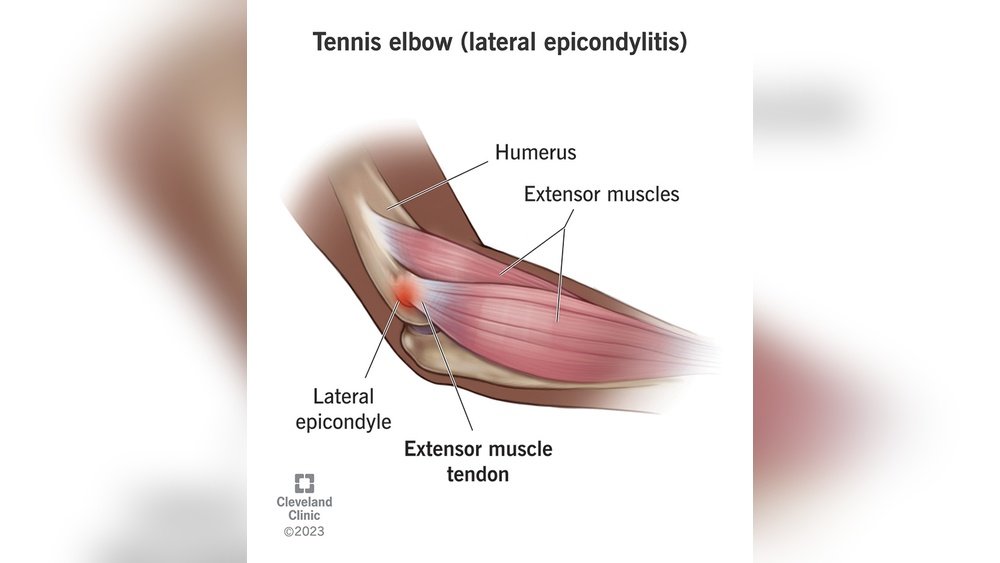
Have you ever wondered just how common tennis elbow really is? You might think it only affects tennis players, but the truth could surprise you—and it could be affecting someone you know, or even you.
Understanding how many people suffer from this painful condition is the first step to recognizing the signs and finding relief. Whether you’re dealing with persistent elbow pain or simply curious about this widespread issue, this article will shed light on who gets tennis elbow, why it happens, and how it impacts daily life.
Keep reading to discover the surprising facts behind tennis elbow and what it means for you.
Tennis Elbow Prevalence
Tennis elbow is a widespread condition affecting many people worldwide. It is not limited to tennis players despite its name. The condition causes pain and limits arm movement. Understanding how common tennis elbow is helps in recognizing its impact on health.
Millions suffer from tennis elbow each year. It appears in various age groups and professions. Knowing who is affected can guide prevention and treatment efforts.
Key Statistics & Demographics
Tennis elbow affects about 1 to 3 percent of the general population. It occurs equally in men and women. The dominant arm is more often affected due to frequent use. Most cases appear in people aged 30 to 50.
Who Gets It (beyond Tennis Players)
- Occupations: plumbers, painters, construction workers, cooks, butchers, office workers
- Activities: repetitive wrist and arm movements, heavy lifting, gardening, sudden increases in activity
Why It’s Misnamed
- Not only tennis players get it
- Results from repetitive arm movements
- Common in many manual jobs and daily tasks
Impact
- Common in orthopedic clinics
- Causes pain and limits daily activities
- Affects work and quality of life
Gender Distribution
Tennis elbow affects men and women about the same. It often strikes the dominant arm, where most activity occurs. This condition is common among people with repetitive arm movements.
Tennis elbow affects both men and women almost equally. Studies show no significant difference in occurrence between genders. The condition does not favor one gender over the other. Both men and women who perform repetitive arm motions are at risk.
Men and women experience similar symptoms and severity. The injury is linked more to activity type than gender. It often appears in the dominant arm, regardless of whether the person is male or female.
Dominant Arm Impact
Tennis elbow often affects the arm a person uses the most. This is usually the dominant arm. The dominant arm is the one used for writing, lifting, and most tasks. This arm faces more strain in daily activities.
Because it works harder, the dominant arm is more prone to injury. Repetitive movements and overuse cause small tears in the tendons. These tears lead to pain and weakness in the elbow area.
Higher Risk In The Dominant Arm
Research shows tennis elbow is more common in the dominant arm. Over 70% of cases involve the dominant side. This is true for athletes and non-athletes alike. The frequent use leads to more stress on the tendons.
Common Activities Affecting The Dominant Arm
Daily tasks strain the dominant arm more. Activities like typing, lifting, and gardening can cause tennis elbow. Jobs with repetitive wrist motion also increase risk. Even simple tasks can add up over time.
Symptoms Focused On The Dominant Arm
Pain usually starts on the outer part of the dominant elbow. It may worsen with gripping or lifting. Weakness often appears in the hand and wrist. The discomfort can limit daily activities and work tasks.
Affected Age Groups
Tennis elbow does not only affect tennis players. It can impact people of various ages. Understanding which age groups are most affected helps in recognizing and managing the condition better.
This condition usually develops from repeated arm and wrist movements. It can occur in both younger and older adults, depending on their activities and work.
Adults Aged 30 To 50
The most common age group for tennis elbow is between 30 and 50 years. During this period, many people perform repetitive tasks that strain the forearm.
Work-related activities like painting, plumbing, or typing often cause tennis elbow. Sports that involve wrist and arm movements also increase the risk.
Younger Adults And Athletes
Young adults, especially athletes, can develop tennis elbow too. Tennis players, golfers, and baseball players are more prone due to repetitive arm motions.
Sudden increases in training or improper techniques can trigger the condition in this group. Early care helps prevent long-term damage.
Older Adults Over 50
People over 50 may also experience tennis elbow. Tendons lose strength and flexibility with age, making them more vulnerable.
Daily chores like gardening or heavy lifting can lead to this problem. Older adults should pay attention to pain in the elbow area.
Common Occupations
Tennis elbow is not limited to athletes. Many people develop this painful condition due to their work. Certain jobs require repeated arm movements. These motions strain the tendons in the elbow.
Understanding which occupations are at risk helps with prevention and early treatment. Below are some common jobs linked to tennis elbow.
Plumbers And Construction Workers
These workers often use heavy tools that vibrate or require force. Repeated gripping and twisting motions stress the elbow tendons. Tasks like tightening pipes or hammering nails increase the risk.
Painters
Painting involves constant wrist and arm movement. Holding brushes or rollers for long periods strains the forearm muscles. Frequent up-and-down strokes can lead to tendon inflammation.
Cooks And Butchers
Chopping, cutting, and lifting heavy pots or meat put pressure on the elbow. The repetitive nature of these tasks causes wear on the tendons. Sharp, quick arm movements add to the risk.
Office Workers
Typing and using a computer mouse repeatedly can cause tennis elbow. Small, constant wrist motions strain the forearm muscles. Poor posture and improper desk setup make it worse.
At-risk Activities
Tennis elbow is not limited to athletes alone. Many activities put people at risk of developing this painful condition. Understanding these activities helps to recognize the risk early and take steps to avoid injury.
Sports Involving Repetitive Arm Movements
Sports like tennis, badminton, and squash require constant arm motion. Repeated swinging strains the elbow tendons. This strain causes small tears leading to tennis elbow.
Golf and weightlifting also involve forceful wrist and arm use. These activities increase the chance of tendon damage over time.
Occupations With Repetitive Wrist Use
Jobs such as plumbing, painting, and construction involve repetitive wrist movements. Workers often use their dominant arm extensively. Continuous heavy lifting or gripping adds to the risk.
Office workers who type or use a mouse for long periods also face risk. Small, repeated motions can inflame the tendons in the elbow.
Everyday Tasks And Hobbies
Gardening, cooking, and butchering use similar wrist and arm motions. Sudden increases in these activities can trigger symptoms. Even simple tasks like opening jars may cause discomfort.
These everyday actions can lead to overuse injuries without proper care or rest.
Beyond Tennis Players
Tennis elbow is not limited to tennis players. Many people develop this condition without ever holding a racket. The pain and discomfort affect a wide range of individuals from different walks of life.
Repetitive motions and overuse cause tennis elbow in many cases. The condition impacts daily activities beyond sports. Understanding who else gets tennis elbow helps with awareness and prevention.
Occupations
- Plumbers often use twisting wrist motions.
- Painters repeat arm movements for long periods.
- Construction workers handle heavy tools causing strain.
- Cooks and butchers perform repetitive cutting actions.
- Office workers type and use a mouse for hours.
Activities
- Repeated wrist and arm motions increase risk.
- Heavy lifting stresses muscles and tendons.
- Gardening requires frequent gripping and bending.
- Sudden rise in activity can trigger symptoms.
Why It’s Misnamed
- Many people think tennis players are the only ones affected.
- The name comes from early cases seen in tennis athletes.
- Most people with tennis elbow do not play tennis.
- The condition relates to overuse of forearm tendons, not the sport.
Impact
- Tennis elbow causes pain that limits daily tasks.
- Work performance often suffers due to discomfort.
- Quality of life decreases with ongoing pain.
- It is a common reason for orthopedic visits.

Credit: www.orthobethesda.com
Why The Name Is Misleading
The term “tennis elbow” often causes confusion. Many believe it only affects tennis players. This belief is far from the truth. The name is misleading in many ways.
Tennis elbow is a condition caused by repetitive arm motions. These motions strain the tendons around the elbow. The pain is not limited to athletes or tennis players.
Common Misconceptions About Tennis Elbow
People often think tennis elbow happens only on tennis courts. Actually, it affects many who never play tennis. The condition results from overuse of forearm muscles and tendons.
Wider Range Of Affected People
Many workers and hobbyists suffer from tennis elbow. Jobs like plumbing, painting, or cooking can cause it. Even office workers get it from typing and mouse use.
Why The Name Persists
The name stuck because tennis players were among the first noticed with the injury. It’s easier to remember than “lateral epicondylitis.” The medical term is less known to the public.
Impact Beyond Tennis
Tennis elbow causes pain and limits daily activities. It affects work and quality of life for many people. Understanding its true nature helps in better prevention and treatment.
Symptoms Overview
Tennis elbow is a condition that causes pain around the outside of the elbow. This pain happens because of overuse or strain on the tendons that connect the forearm muscles to the elbow. Recognizing the symptoms early helps in managing the problem effectively.
The symptoms usually start gradually. People may notice mild discomfort that worsens over time. The pain often increases with specific movements or activities.
Early Signs Of Tennis Elbow
At first, pain may feel dull and spread around the outer elbow. It can worsen after activities involving gripping or lifting. Some people feel stiffness or weakness in the forearm.
Common Pain Locations
Pain typically centers on the bony bump on the outside of the elbow. It can radiate down the forearm toward the wrist. Sometimes, pain also appears when pressing on this area.
Movement And Activity Effects
Simple actions like shaking hands or turning a doorknob may cause discomfort. Lifting objects, especially with the palm facing down, often triggers pain. Repetitive wrist and arm movements increase symptoms.
Additional Symptoms
Some people experience numbness or tingling in the fingers, though this is less common. The affected arm may feel weaker, making daily tasks harder. Swelling around the elbow is rare but possible.
Impact On Daily Life
Tennis elbow affects many people and impacts daily life significantly. The pain and discomfort make simple tasks difficult. Many struggle with activities requiring arm and wrist movement. This condition limits work, hobbies, and routine actions.
Understanding the impact helps to see why tennis elbow is a common concern. It reduces strength and causes constant pain. This leads to frustration and decreased productivity at work and home.
Difficulty With Everyday Tasks
Simple chores become challenging for those with tennis elbow. Opening jars, carrying groceries, or lifting objects cause pain. Writing, typing, or using a mouse can worsen symptoms. Even shaking hands or turning a doorknob may hurt.
Work Limitations
Many jobs require repetitive arm movements. Tennis elbow can stop people from working comfortably. Pain may force people to take breaks or reduce work hours. Some may need to change jobs or roles to avoid strain.
Effect On Hobbies And Sports
Hobbies involving arm use are often impacted. Playing sports, gardening, or crafting can cause discomfort. Pain limits enjoyment and performance. Many reduce or stop these activities to avoid worsening the condition.
Emotional And Social Impact
Constant pain affects mood and social life. People may feel frustrated or depressed due to limitations. Social activities involving physical interaction may be avoided. This isolation adds to emotional stress.
Pain Management Approaches
Managing tennis elbow pain involves several approaches. These methods reduce discomfort and help recovery. Choosing the right approach depends on pain level and daily activities. Early treatment can prevent chronic issues.
Rest And Activity Modification
Resting the affected arm is crucial. Avoid movements that cause pain. Reducing repetitive wrist and arm actions helps tendons heal. Sometimes, changing how you perform tasks relieves strain. Simple adjustments can ease symptoms quickly.
Ice Therapy
Applying ice reduces inflammation and swelling. Use an ice pack wrapped in cloth for 15 minutes. Repeat several times daily for best results. Ice therapy calms pain and speeds healing. It is an easy, affordable method.
Over-the-counter Pain Relievers
Nonsteroidal anti-inflammatory drugs (NSAIDs) like ibuprofen help reduce pain. These medicines lower inflammation in the elbow tendons. Take as directed on the label. They provide temporary relief but do not cure the injury.
Physical Therapy Exercises
Specific exercises strengthen forearm muscles. Stretching improves flexibility and reduces tension on tendons. A physical therapist guides safe movement routines. Regular exercise supports healing and prevents future problems.
Bracing And Supports
Using a brace or strap limits strain on the elbow. These supports stabilize tendons during activity. Wearing a brace during work or sports can reduce pain. Choose a comfortable, well-fitted brace for best effect.
Diagnosis Methods
Diagnosing tennis elbow involves careful evaluation of symptoms and physical tests. Accurate diagnosis helps in creating the right treatment plan.
Doctors use several methods to confirm if someone has tennis elbow. These methods focus on identifying pain and weakness around the elbow.
Medical History Review
The doctor asks about your daily activities and pain history. This helps link symptoms to possible causes like repetitive arm use.
They check for any previous injuries or conditions that might affect the elbow.
Physical Examination
The doctor checks the elbow for tenderness and swelling. Pressing on the outer elbow may cause pain in tennis elbow cases.
They test wrist and finger movements to see if they increase pain. This helps identify specific muscle and tendon involvement.
Imaging Tests
X-rays can rule out bone problems like arthritis or fractures. They do not show soft tissue injuries directly.
MRI or ultrasound may be used to view tendon damage or inflammation. These tests provide detailed images of muscles and tendons.
Strength And Flexibility Tests
These tests measure how strong and flexible the forearm muscles are. Weakness in these muscles is a common sign of tennis elbow.
Doctors may ask patients to lift or grip objects to assess pain and function.
Treatment Options
Tennis elbow causes pain and limits arm use. Treatment aims to reduce pain and restore function. Various options exist depending on severity and duration. Early care can prevent worsening.
Rest And Activity Modification
Stopping activities that cause pain helps healing. Avoid heavy lifting and repetitive wrist movements. Short breaks from work or sport ease stress on tendons.
Physical Therapy
Exercises stretch and strengthen forearm muscles. A therapist guides safe movements to improve flexibility. Therapy reduces pain and restores arm strength.
Medications
Pain relievers like ibuprofen reduce inflammation. Doctors may suggest over-the-counter or prescription drugs. Medication helps manage symptoms during recovery.
Bracing And Supports
Elbow braces reduce strain on tendons. They limit muscle use and protect the arm. Supports ease pain during daily activities.
Injections
Corticosteroid shots decrease inflammation quickly. They provide short-term pain relief. Some patients try platelet-rich plasma (PRP) injections to help healing.
Surgery
Surgery is a last option for severe cases. It removes damaged tissue and promotes new healing. Most patients recover well after the procedure.
Recovery Timeframes
Recovery from tennis elbow varies by individual and treatment approach. Patience and proper care influence healing time. Understanding typical recovery timeframes helps set realistic expectations.
Initial Recovery Phase
The first phase focuses on reducing pain and inflammation. This can take two to six weeks. Rest and avoiding activities that cause pain are crucial. Ice packs and over-the-counter pain relievers help manage symptoms.
Physical Therapy And Strengthening
Physical therapy often begins after initial pain eases. It usually lasts four to eight weeks. Exercises improve wrist and forearm strength. Stretching helps restore flexibility. Consistency in therapy speeds recovery.
Long-term Healing
Complete healing may take three to six months. Tendon tissue needs time to repair fully. Returning to heavy activities too soon risks re-injury. Gradual increase in activity is recommended. Follow medical advice closely for best results.
When Surgery Is Needed
Surgery is rare but may be necessary for severe cases. Recovery after surgery can take three to six months. Physical therapy is important after surgery. Healing time varies based on the procedure and individual health.
Preventive Measures
Tennis elbow affects many people beyond just athletes. Preventing it helps reduce pain and maintain daily activity. Simple steps can lower your risk and protect your arms.
Use Proper Technique
Learn the correct way to hold and swing a racket or tool. Proper form reduces strain on your elbow tendons. Practice movements slowly to build muscle memory.
Take Frequent Breaks
Rest during repetitive tasks to avoid overuse. Short breaks help muscles and tendons recover. Stretch arms and wrists during these pauses.
Strengthen Forearm Muscles
Exercise forearm muscles to support your elbow. Use light weights or resistance bands for gradual strengthening. Strong muscles absorb stress better.
Use Ergonomic Tools
Choose tools that fit your hand comfortably. Ergonomic designs reduce unnecessary strain. Adjust your workspace to keep wrists neutral.
Warm Up Before Activity
Stretch and warm up muscles before heavy use. Warm muscles are less likely to get injured. Spend five to ten minutes preparing your arms.

Credit: www.orthobethesda.com
Tennis Elbow In Sports
Tennis elbow is a common sports injury affecting many athletes. It results from overuse of the forearm muscles that attach to the elbow. This condition causes pain and weakness around the elbow joint. It is not limited to tennis players, despite the name.
Many sports involve repetitive arm and wrist movements. These actions can strain the tendons and muscles around the elbow. Tennis elbow can affect players of all levels and ages.
Tennis Elbow In Tennis Players
Tennis players often suffer from tennis elbow due to repetitive backhand strokes. The constant strain on the tendons leads to small tears and inflammation. Even amateur players can develop symptoms after frequent practice sessions. Proper technique and equipment can reduce the risk but not eliminate it entirely.
Tennis Elbow In Other Sports
Sports like golf, baseball, and weightlifting also cause tennis elbow. These activities involve repeated arm and wrist motions. Baseball pitchers, golfers, and swimmers are commonly affected. The injury occurs from overuse and sudden increases in training intensity.
How Many Athletes Have Tennis Elbow?
Studies show that up to 10% of tennis players develop tennis elbow during their careers. In other sports, the rate varies but remains significant. Many athletes experience pain that affects performance and daily life. Early diagnosis and rest are crucial for recovery.
Famous Cases
Tennis elbow is not only common among athletes and workers. Many well-known people have suffered from it. Their stories show how this condition can affect anyone.
These famous cases help us understand the impact of tennis elbow. They also highlight the challenges of dealing with pain and limited movement.
Serena Williams
Serena Williams, a top tennis player, had tennis elbow during her career. Despite the pain, she kept playing at a high level. Her case shows how athletes manage injuries to stay competitive.
Lebron James
LeBron James, a famous basketball star, experienced tennis elbow. His injury affected his shooting and passing abilities. Treatment and rest helped him return to full strength.
Prince Charles
Prince Charles has publicly shared his struggle with tennis elbow. His case brought attention to the condition outside sports. It shows how daily tasks can cause this problem too.
Bill Gates
Bill Gates developed tennis elbow from repetitive computer work. His experience highlights the risk for office workers. Simple changes in habits can help prevent it.
Possible Complications
Tennis elbow may seem like a simple injury, but it can lead to serious problems. Ignoring symptoms or delaying treatment raises risks. Understanding possible complications helps in managing the condition better.
The pain and inflammation can worsen, affecting daily tasks. Over time, the elbow may lose strength and flexibility. This can make lifting or gripping objects very difficult.
Chronic Pain And Inflammation
Persistent pain is common without proper care. Inflammation can last for months or even years. This chronic discomfort disrupts sleep and lowers quality of life.
Tendon Degeneration
Repeated strain may cause tendon damage. The tendon fibers can weaken and tear. This condition is known as tendinosis and is harder to treat.
Loss Of Grip Strength
The muscles and tendons around the elbow control grip. Damage to these structures reduces hand strength. Simple tasks like opening jars become challenging.
Reduced Range Of Motion
Stiffness can develop in the elbow joint. This limits the ability to fully bend or straighten the arm. Reduced motion affects work and sports performance.
Compensation Injuries
People often change how they move to avoid pain. This can strain other muscles and joints. Shoulder or wrist problems may develop as a result.
Tennis Elbow And Hand Tremors
Tennis elbow is a painful condition affecting the tendons around the elbow joint. It often causes discomfort and limits arm movements. Hand tremors are shaking or trembling movements of the hand that can happen for many reasons.
Some people with tennis elbow also experience hand tremors. These tremors may result from muscle fatigue or nerve irritation near the elbow. The link between tennis elbow and hand tremors is not fully understood but is an area of interest in medical research.
Tennis Elbow Causes And Symptoms
Tennis elbow happens from repetitive stress on the elbow tendons. Small tears form in the tendons, causing pain and weakness. Symptoms include pain on the outer elbow, difficulty gripping, and sometimes swelling. These symptoms can make daily tasks hard to perform.
How Hand Tremors Relate To Tennis Elbow
Hand tremors might occur due to muscle strain from tennis elbow. Nerves passing through the elbow may become irritated. This irritation can cause involuntary shaking or trembling in the hand. Tremors are usually mild but can increase with activity or stress.
Who Experiences Both Conditions?
People who perform repetitive motions are at risk. This includes athletes, manual workers, and office employees using a mouse or keyboard. Both conditions can appear together, especially in those with heavy arm use. Early treatment can reduce symptoms and improve arm function.
Healthcare Burden
Tennis elbow creates a significant healthcare burden worldwide. It affects millions of people each year. This condition leads to pain and limits arm function. Many patients seek medical help for relief and treatment.
Healthcare systems face challenges managing tennis elbow cases. The condition often requires multiple visits, physical therapy, and sometimes surgery. These treatments increase healthcare costs and resource use.
Prevalence And Medical Visits
About 1 to 3 percent of adults develop tennis elbow annually. It is common in people aged 30 to 50. Most patients visit doctors multiple times for diagnosis and treatment. Primary care, orthopedic, and physical therapy clinics see many cases.
Treatment Costs
Tennis elbow treatment can be costly. Expenses include doctor fees, imaging tests, therapy sessions, and medications. Some patients need surgery, which adds to healthcare expenses. These costs affect both patients and health systems.
Impact On Work And Productivity
The condition causes pain that reduces work ability. Many patients miss work or perform poorly. This leads to lost wages and lower productivity. Employers and insurers also feel the economic impact.
Long-term Healthcare Needs
Some patients develop chronic symptoms. They require ongoing care and support. This increases the long-term burden on healthcare providers. Early treatment can reduce these prolonged effects.

Credit: www.healthdirect.gov.au
Frequently Asked Questions
How Common Is Tennis Elbow?
Tennis elbow affects about 1-3% of the population, equally impacting men and women. It often occurs in the dominant arm. Repetitive arm motions in various jobs and activities increase its risk. It’s a common cause of elbow pain worldwide.
What Famous Person Has Tennis Elbow?
Famous tennis player Rafael Nadal has suffered from tennis elbow. Cricket legend Sachin Tendulkar also experienced this injury. Both faced pain from repetitive arm motions during play.
What Is The Average Age For Tennis Elbow?
The average age for tennis elbow ranges from 30 to 50 years. It commonly affects active adults performing repetitive arm motions.
Can Tennis Elbow Cause Hand Tremors?
Tennis elbow rarely causes hand tremors. Tremors usually stem from neurological or muscle disorders, not tendon inflammation. Consult a doctor for accurate diagnosis.
How Common Is Tennis Elbow Worldwide?
Tennis elbow affects about 1 to 3% of adults globally each year.
Who Is Most Likely To Get Tennis Elbow?
People aged 30-50, both men and women, are most often affected.
Does Tennis Elbow Only Affect Tennis Players?
No, many people get it from repetitive arm motions, not just tennis.
How Many People In The Us Have Tennis Elbow Annually?
Over 9 million cases are reported in the United States each year.
Which Arm Is Usually Affected By Tennis Elbow?
The dominant arm is more commonly affected by tennis elbow symptoms.
Can Office Workers Develop Tennis Elbow?
Yes, typing and mouse use can cause tennis elbow in office workers.
Conclusion
Tennis elbow affects millions worldwide, not just tennis players. Many people develop it from daily tasks and work activities. Both men and women suffer equally, often in their dominant arm. The pain can disrupt work, hobbies, and simple movements. Understanding who gets tennis elbow helps in prevention and care.
Staying aware and seeking early advice can reduce discomfort. Remember, this condition is common but manageable with the right approach.