Have you ever wondered how the Premier League rakes in billions every year? If you’re a football fan or just curious about sports business, understanding the money behind the game can change the way you see the league.
The Premier League isn’t just about thrilling matches and star players; it’s a powerhouse of revenue streams working together to keep the clubs thriving and the competition fierce. You’ll discover exactly where the Premier League’s money comes from—from massive TV deals and sponsorships to ticket sales and player transfers.
Stick with us, and you’ll get a clear picture of the business that fuels the world’s most popular football league—and why even the last-place team earns more than champions in other leagues. Ready to dive into the financial game behind the beautiful game?
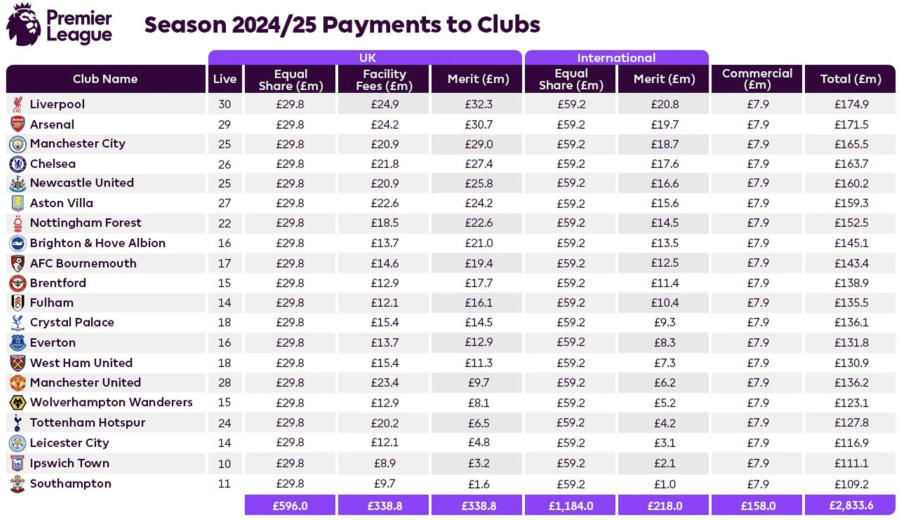
Credit: www.nbcsports.com
Broadcasting Rights
Broadcasting rights form one of the biggest income sources for the Premier League. TV companies pay huge sums to show matches live to fans worldwide. This money helps keep the league competitive and exciting.
The Premier League sells these rights both in the UK and internationally. This global reach boosts revenue greatly. Fans across many countries watch games on their favorite channels or streaming services.
Domestic Broadcasting Deals
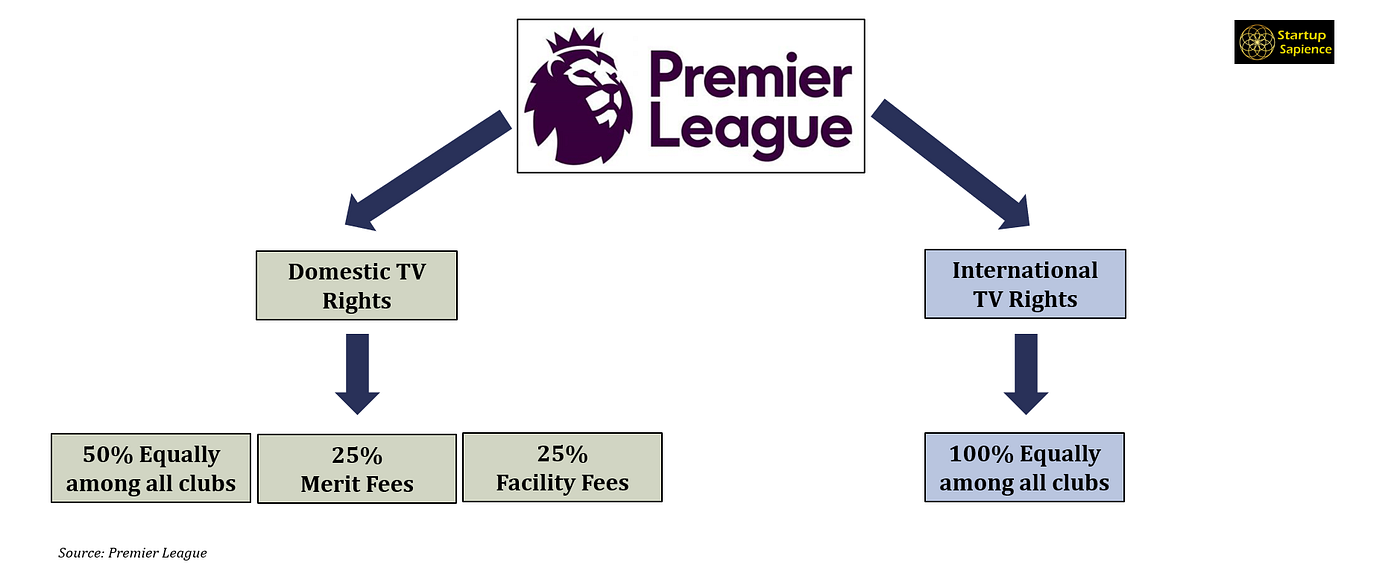
In England, broadcasters bid for the rights to air matches. These deals are worth billions of pounds. They cover live games, highlights, and special shows. The money is shared equally among all 20 clubs.
This equal share helps smaller teams compete with the biggest clubs. It creates a more balanced and unpredictable league. Fans enjoy watching competitive matches every week.
International Broadcasting Rights
The Premier League sells rights worldwide to reach millions of fans. Countries in Asia, America, and Africa pay to broadcast games. This international money adds a major boost to the league’s income.
Global fans get access to live matches and exclusive content. This makes the Premier League one of the most-watched sports competitions on the planet.
Merit Payments And Facility Fees
Clubs earn extra money based on their league position. Higher-ranked teams get bigger merit payments. This rewards success and encourages competition.
Facility fees are paid for each live domestic broadcast a team appears in. Big clubs benefit from more live games, adding millions to their income. This system gives extra financial gains to popular teams.
Domestic Tv Deals
The Premier League earns a huge amount from domestic TV deals. These deals involve selling broadcasting rights to TV companies in England and Wales. TV networks pay billions to show live matches and highlights.
This money is shared among all 20 clubs in the league. It helps clubs pay wages, sign players, and improve facilities. Domestic TV deals make up the biggest part of the Premier League’s income.
How Domestic Tv Rights Are Sold
The Premier League sells TV rights every three years. Broadcasters bid for the rights to show matches. The highest bidders win the rights to air games live on TV.
Sky Sports and BT Sport are the main broadcasters. They pay large sums to secure live matches. This intense competition pushes the price higher each contract period.
Revenue Distribution Among Clubs
The money from TV deals is divided into three parts. Equal share, merit payments, and facility fees.
- Equal Share: Each club gets the same amount from this part.
- Merit Payments: Clubs earn more based on their league position.
- Facility Fees: Clubs receive extra money for each live match broadcast.
Big clubs like Liverpool, Arsenal, and Manchester City earn more from facility fees. This rewards clubs that appear more on live TV.
Impact On Clubs’ Financial Strength
Even the team finishing last earns more than some champions in other leagues. This shows the financial power of the Premier League’s TV deals.
These deals help clubs attract top players and build better teams. They also grow the league’s global fanbase and commercial appeal.
International Tv Deals
The Premier League earns a large part of its revenue from international TV deals. These contracts allow broadcasters worldwide to show live matches and highlights. Millions of fans across continents watch games every week, creating huge demand for Premier League content.
International TV deals bring in billions of pounds each season. This income supports clubs and helps maintain the league’s high standard of football. The deals also expand the Premier League’s global presence and fan base.
How International Tv Rights Are Sold
The Premier League sells broadcasting rights to different countries in separate packages. TV companies bid for these rights through auctions. The highest bidders win the rights to air matches in their region. This competitive process raises the overall value of the deals.
Impact On Clubs’ Finances
Revenue from international TV deals is shared among all Premier League clubs. This equal distribution helps smaller clubs compete financially with bigger teams. Clubs use this money for player salaries, stadium improvements, and training facilities.
Global Reach And Fan Engagement
International TV deals help the Premier League reach fans in Asia, America, Africa, and beyond. More viewers mean more fans, merchandise sales, and sponsorship opportunities. This global reach strengthens the league’s brand worldwide.

Credit: kdfoundation.org
Equal Share Payments
Equal share payments come from the Premier League’s domestic and international TV rights. These funds are divided equally among all clubs. This system helps maintain competitive balance by giving every team a fair financial base.
Equal Share Payments form the backbone of the Premier League’s revenue distribution.
Money from domestic and international TV rights is pooled together.
This pool is then split equally among all 20 clubs.
Each team gets the same base amount regardless of performance or size.
This system ensures fairness and financial stability across the league.
Why Equal Share Matters
Equal Share helps smaller clubs compete financially with bigger ones.
It narrows the gap between rich and less wealthy teams.
All clubs benefit from the league’s overall success and popularity.
This promotes a more balanced and competitive league.
Impact On Club Finances
Every club receives millions from Equal Share Payments each season.
This steady income supports player wages, stadium costs, and operations.
Even teams finishing last earn significant money through this system.
It guarantees financial security, encouraging long-term planning.
Merit Payments
The Premier League distributes a large part of its income through merit payments. These payments reward clubs based on their final league position each season. It motivates teams to perform well and finish higher on the table.
Merit payments are a key part of the Premier League’s financial system. The better a club finishes, the more money it receives. This creates a competitive environment that drives clubs to improve.
How Merit Payments Are Calculated
Each season, the Premier League sets a total merit payment pool. This pool is shared among all 20 clubs. The amount each club gets depends on its league ranking. For example, the champion earns the highest share. The last-placed team receives the smallest amount. This system ensures that success on the pitch brings financial reward.
Impact On Club Finances
Merit payments can significantly boost a club’s income. Higher payments help clubs invest in players and facilities. This can lead to better results and higher future earnings. Even clubs finishing near the bottom earn more than teams in some other leagues. The payments help maintain financial stability across the league.
Encouraging Competition And Growth
The merit payment system encourages teams to fight for every league position. Small improvements in ranking can lead to larger payments. This drives clubs to improve their squads and management. It also benefits fans by increasing the quality of matches. Overall, merit payments help keep the Premier League exciting and competitive.
Facility Fees
Facility fees form an important part of the Premier League’s revenue. These fees are paid to clubs for hosting live domestic TV broadcasts. Each time a team appears in a live broadcast match, it earns additional income. This system rewards clubs that attract large audiences on television.
The amount earned through facility fees can reach millions. Big clubs like Liverpool, Arsenal, and Manchester City often benefit the most. Their games are frequently chosen for live broadcasts due to high viewer interest. Smaller clubs like Southampton also earn facility fees, though typically less.
How Facility Fees Work
TV broadcasters pay the Premier League for live match rights. The league then shares part of this money as facility fees. These fees compensate clubs for the cost and effort of hosting televised games. Clubs with larger stadiums and better facilities may command higher fees.
Impact On Club Finances
Facility fees boost club incomes significantly. They create a financial gap between clubs regularly featured on TV and those rarely broadcast. This encourages teams to perform better and attract more viewers. Facility fees help clubs invest in players and stadium improvements.
Facility Fees And Broadcasting Rights
Broadcasting rights form the largest revenue source for the Premier League. Facility fees are a key part of this revenue stream. They link directly to live TV matches and the league’s global broadcasting deals. The more matches broadcast, the higher the facility fees for clubs.
Commercial Sponsorships
Commercial sponsorships form a major part of the Premier League’s income. They help clubs and the league earn money beyond ticket sales and TV deals. Sponsors pay large sums to have their brands seen by millions worldwide. These deals cover everything from kit sponsors to official partners.
Brands gain access to a massive global audience. The Premier League’s wide reach makes it an attractive platform for companies. Sponsors benefit from association with top football clubs and players. This boosts their visibility and sales in many markets.
Kit Sponsorship Deals
Each Premier League club signs kit sponsorship deals with sports brands. These deals usually last several years. The sponsors supply kits and pay clubs for the brand exposure. Big clubs earn tens of millions annually from these agreements. Fans buying replica shirts also increase sponsor visibility.
Official League Partners
The Premier League partners with global companies across various sectors. These official partners appear in league branding, adverts, and digital content. Their logos feature during match broadcasts and stadium events. Partnership fees add significant revenue to the league’s income.
Club-level Sponsorships
Individual clubs secure multiple sponsors besides kit deals. These include training wear sponsors, sleeve sponsors, and regional partners. Clubs tailor these deals to local and international markets. This diversity helps maximize sponsorship income year-round.
Impact On Premier League Revenue
Sponsorship deals contribute heavily to the league’s overall financial success. They help clubs invest in players, facilities, and fan experiences. Strong commercial partnerships keep the Premier League competitive globally. This revenue stream remains vital alongside TV rights and matchday income.
Shirt Sponsorships
Shirt sponsorships play a crucial role in the Premier League’s revenue. Clubs display sponsor logos on their jerseys. This space attracts major brands eager to reach millions of fans worldwide.
These deals often bring in tens of millions of pounds each season. Top clubs can command higher fees due to their global popularity. Smaller clubs also benefit, though their deals are usually less lucrative.
Value Of Shirt Sponsorship Deals
Premier League shirt sponsorships are among the most valuable in sports. Big clubs like Manchester United and Chelsea earn huge sums. Brands pay for the exposure during matches and media coverage.
Sponsors get logo placement on home, away, and third kits. This visibility appears on TV, online, and in stadiums. The global fanbase boosts the sponsor’s brand awareness greatly.
How Clubs Negotiate Sponsorships
Clubs use their success and fan reach to negotiate deals. They highlight their global TV audience and social media followers. Clubs may offer additional benefits like digital campaigns and events.
Long-term contracts provide stability and steady income. Some clubs even have multiple sponsors for different kit parts. Negotiations focus on maximizing revenue while maintaining brand fit.
Impact On Club Finances
Shirt sponsorships provide steady, reliable income each season. This money helps clubs pay player wages and invest in facilities. It also supports youth development and community programs.
For smaller clubs, sponsorship deals can be vital. They help balance budgets and fund transfers. For bigger clubs, these deals fund world-class squads and global marketing.
Stadium Naming Rights
Stadium naming rights provide a steady income stream for Premier League clubs. Companies pay to have their names on stadiums, gaining wide exposure. This partnership benefits both parties financially and commercially.
Clubs use this revenue to improve facilities and boost their budgets. Fans see the sponsor’s name every match day and on broadcasts. This constant visibility makes naming rights valuable for brands.
What Are Stadium Naming Rights?
Stadium naming rights are deals between clubs and companies. The company pays to attach its name to the stadium. This changes the stadium’s official name for the contract duration.
These deals can last for years and involve large sums of money. The sponsor’s name appears on tickets, signage, and media coverage. This creates a strong marketing presence for the company.
How Premier League Clubs Benefit
Clubs receive millions from these agreements. This income helps cover operational costs and player signings. It also supports stadium upgrades and fan experience improvements.
The steady cash flow reduces reliance on ticket sales alone. It also attracts more commercial sponsors by showing financial strength. Clubs can plan budgets more securely with this income.
Examples Of Premier League Stadium Naming Deals
Many Premier League clubs have stadium naming sponsors. Arsenal’s Emirates Stadium is a famous example. The deal brings Arsenal significant revenue every year.
Other clubs like Tottenham Hotspur and Manchester City have similar deals. These partnerships help clubs compete financially with rivals. The exposure benefits both the clubs and sponsors.
Advertising Revenue
The Premier League earns a significant part of its income through advertising revenue. This stream plays a vital role in supporting clubs and the league’s growth. Advertising helps connect brands with millions of football fans worldwide.
Advertisers pay to display their logos and messages during matches. These ads appear on digital boards around the pitch and on team kits. The exposure during live broadcasts reaches a vast global audience, increasing the value of these advertising spaces.
Broadcast Advertising
Broadcast advertising includes commercials aired during Premier League matches. TV networks sell these spots to companies eager to reach football viewers. The league benefits through revenue-sharing agreements with broadcasters.
These ads appear before, during, and after games. High viewership makes these slots highly sought after. Brands gain visibility, and the Premier League secures steady income.
Stadium Advertising
Inside stadiums, advertising takes many forms. LED boards run around the field showing rotating ads. These digital banners catch viewers’ eyes during live games and replays.
Clubs also sell advertising space on seats, entryways, and other visible areas. Sponsors pay for branding rights that boost their recognition among fans.
Kit Sponsorships
Kit sponsorships are a major source of advertising revenue. Companies pay to place logos on team shirts and training gear. These logos appear in every match and media coverage.
Big clubs command higher fees because of their global fanbases. Kit sponsors benefit from repeated exposure in games, photos, and social media.
Digital And Social Media Ads
The Premier League and clubs leverage digital platforms for advertising. Websites, apps, and social media channels display sponsored content and ads. These reach fans who follow online closely.
Targeted ads on these platforms provide value to brands and generate extra revenue. The league’s strong online presence attracts many advertisers.
Matchday Revenue
Matchday revenue forms a vital part of the Premier League’s income. It includes money earned from fans attending games in stadiums. This revenue helps clubs cover costs and invest in players.
Fans buy tickets to watch live matches. Ticket sales make up the largest chunk of matchday income. Prices vary depending on the club, opponent, and seating location.
Besides tickets, clubs earn from food and drinks sold during matches. Many fans spend on snacks and beverages. This adds a steady stream of cash on match days.
Hospitality services also boost matchday revenue. Premium seating, exclusive lounges, and VIP packages attract wealthy fans and businesses. These offer a luxury experience at a higher price.
Ticket sales are the backbone of matchday revenue. Each club sells thousands of tickets for every home game. Bigger clubs with larger stadiums earn more from ticket sales.
Concessions And Merchandise
Concessions include food, drinks, and souvenirs sold at the stadium. Fans often buy team scarves, jerseys, and hats. Merchandise sales increase with the team’s success and popularity.
Hospitality And Vip Packages
Hospitality offers a premium matchday experience. Fans pay extra for better seats and exclusive services. Businesses use these packages to entertain clients and staff.
Ticket Sales
Ticket sales form a vital part of the Premier League’s revenue. Fans buying tickets to watch matches in stadiums create a steady income stream. This income supports clubs directly and helps maintain stadiums and facilities.
Each Premier League club sets ticket prices based on demand, opponent, and stadium capacity. Bigger clubs with larger stadiums earn more from ticket sales. Smaller clubs rely on loyal local fans filling seats each match day.
Matchday Attendance
High attendance means more ticket revenue. Popular teams often sell out their stadiums quickly. Clubs encourage fans to attend by offering season tickets and family packages. Matchday atmosphere boosts fan engagement and loyalty.
Season Tickets
Season tickets guarantee income before the season begins. Fans buy seats for all home games. This provides clubs with upfront cash flow. Season ticket holders enjoy lower prices per game and perks like early entry.
Ticket Pricing Strategies
Clubs use different pricing to attract fans. Prices vary by match importance and seating location. Discounts for children and seniors help fill seats. Dynamic pricing adjusts ticket costs based on demand trends.
Hospitality And Vip Tickets
Hospitality packages offer premium experiences. These include better seats, meals, and exclusive access. VIP tickets generate higher revenue than regular tickets. Businesses often buy these for clients and employees.
Concessions And Hospitality
The Premier League earns a significant part of its income from concessions and hospitality. These services enhance the matchday experience for fans. They also generate steady revenue for clubs and the league. Visitors enjoy food, drinks, and special seating options that add value to attending games.
Offering a variety of snacks and beverages creates a lively atmosphere inside stadiums. Many fans spend money on these items during matches. Hospitality areas provide premium services with comfortable seating, exclusive menus, and private lounges. These premium options attract corporate clients and wealthy fans willing to pay more for comfort and exclusivity.
Food And Beverage Sales
Concessions include food stands and drink counters around stadiums. Clubs sell popular items like burgers, pies, and soft drinks. These sales add up quickly during packed matches. Efficient service and diverse menus help increase customer spending.
Corporate Hospitality Packages
Clubs offer hospitality packages to businesses and groups. These include premium seating, meals, and exclusive access to lounges. Corporations use these packages to entertain clients and reward employees. This creates a reliable and high-value revenue source for clubs.
Vip Experiences And Suites
VIP suites provide luxury seating and personalized services. Fans enjoy a private space with better views and catering. These suites sell at premium prices and often include perks like meet-and-greets or merchandise. The exclusivity of VIP areas drives higher spending per visitor.
Merchandise Sales
Merchandise sales play a vital role in the Premier League’s revenue. Fans worldwide buy jerseys, scarves, and other club items. These sales create a strong connection between clubs and supporters. Merchandise also promotes the Premier League brand globally.
Each club sells official products featuring team logos and player names. The variety ranges from casual wear to collectibles. This wide selection attracts different types of fans. Clubs often release new items to boost sales during the season.
Official Club Stores
Most Premier League clubs operate official stores online and at stadiums. These stores offer authentic merchandise directly to fans. Online shops reach international buyers, increasing global sales. Physical stores provide fans a chance to buy on match days.
Licensed Merchandise
Besides official stores, licensed products appear in many retail outlets. These items meet quality standards set by clubs. Licensing deals help clubs earn extra income. Fans find merchandise easily in sports shops and supermarkets.
Limited Edition Releases
Clubs release limited edition products to create excitement. These items are often tied to special events or anniversaries. Fans rush to buy before stocks run out. Limited editions drive higher demand and increase profit.
Player Popularity And Merchandise
Star players boost merchandise sales significantly. Jerseys with popular player names sell faster and at higher prices. Clubs use player popularity in marketing campaigns. This strategy helps maintain strong revenue streams.
Global Fan Base Impact
The Premier League’s global fan base fuels merchandise growth. Fans from Asia, America, and Africa buy club products online. This international demand expands revenue beyond match days. Clubs invest in marketing to reach these markets.
Player Transfers
Player transfers play a crucial role in the Premier League’s revenue system. Clubs buy and sell players regularly, and these deals often involve large sums of money. This trading activity helps clubs generate income and balance their budgets.
Top clubs invest heavily in acquiring talented players to improve their squad strength. They may later sell these players at a higher price, making a profit. The transfer market is a dynamic space where player values can rise quickly.
Transfer fees vary depending on a player’s skill, age, and market demand. Clubs also earn money through loan deals and contract buyouts. These transactions create a constant flow of funds within the league.
Transfer Fees And Club Revenue
Transfer fees are the main source of income from player transfers. When a club sells a player, they receive a lump sum payment. This money can be used to pay off debts, invest in new players, or improve club facilities.
Big clubs often generate millions from selling star players. Smaller clubs depend on transfers to survive financially. The Premier League benefits as its clubs remain competitive and financially stable.
Loan Deals And Temporary Transfers
Loan deals allow clubs to temporarily transfer players. The receiving club usually pays a fee and covers the player’s salary. This helps both clubs manage their squads and finances efficiently.
Loans give young players a chance to gain experience. They can increase a player’s value and future transfer fee. Clubs use loans as a strategic tool in managing assets.
Impact On Club Finances And Growth
Player transfers impact club finances directly. Profitable transfers improve financial health and funding for club operations. This creates opportunities for growth and success on the field.
Smart transfer strategies help clubs build strong teams. They also create a sustainable business model. The Premier League thrives as clubs balance sporting and financial goals.
Credit: startupsapience.medium.com
Youth Academies
Youth academies play a vital role in the Premier League’s financial model. These academies train young players from an early age. Clubs invest heavily in developing future stars. This approach can lead to big financial rewards.
By nurturing homegrown talent, clubs reduce the need to buy expensive players. Successful academy graduates often join the first team, saving transfer fees. Some players become valuable assets for future sales.
Youth Development And Cost Savings
Youth academies help clubs save money on transfers. Training players internally costs less than buying established stars. Clubs also gain from players’ loyalty and commitment. This creates a stronger team culture and long-term benefits.
Player Sales And Transfer Fees
Clubs earn significant income by selling academy-trained players. Top talents attract high transfer fees from other teams. This income supports club operations and further academy investments. Selling players is a key revenue stream.
Brand Value And Sponsorship
Successful youth players boost the club’s brand image. Fans love seeing local talents rise through the ranks. This increases merchandise sales and attracts sponsorship deals. A strong academy enhances the club’s marketability.
Competition Prize Money
Competition prize money is a major revenue source for Premier League clubs. It rewards teams based on their performance in the league and cup competitions. This system motivates clubs to perform better and climb the standings.
The better a team finishes, the more prize money it earns. This creates financial incentives for success on the pitch. Prize money also helps smaller clubs grow and compete with bigger teams.
Premier League Prize Distribution
The Premier League divides prize money into three parts: equal share, merit payments, and facility fees. Equal share is the largest portion, split evenly among all 20 clubs. This ensures every team gets a solid financial base.
Merit payments reward clubs based on their final league position. The higher a club finishes, the more money it receives. This system makes every league match important for financial gain.
Facility fees are paid for each live domestic broadcast match a team plays. Clubs with more televised games earn extra income. Popular clubs like Liverpool and Manchester City benefit greatly from this.
Prize Money From Domestic Cups
Besides the league, clubs earn prize money from domestic cup competitions like the FA Cup and EFL Cup. Advancing to later rounds increases the prize money. Winning a cup adds significant revenue to a club’s budget.
These cups offer extra chances for smaller clubs to earn prize money. They also boost club prestige and fan engagement.
European Competition Earnings
Top Premier League clubs often qualify for UEFA competitions like the Champions League and Europa League. These tournaments offer large prize money sums. Progressing through rounds multiplies the earnings.
European prize money can exceed domestic rewards. It attracts top players and boosts club finances. Success in Europe raises a club’s global profile and income.
External Investments
The Premier League attracts significant external investments that boost its financial strength. These investments come from wealthy owners, sponsors, and global partners. They help clubs grow and improve their teams.
External investments also fund stadium upgrades, training facilities, and youth academies. This makes the league more competitive and appealing to fans worldwide.
Ownership By Wealthy Investors
Many Premier League clubs are owned by billionaires and investment groups. These owners inject large sums of money into clubs. Their funds cover player transfers, salaries, and club operations. This financial backing raises club values and attracts more fans.
Global Sponsorship Deals
Major brands invest in the Premier League as sponsors. They pay to display logos on kits, stadiums, and broadcasts. Sponsorship deals bring steady income and increase the league’s visibility worldwide. Popular sponsors include sportswear brands, airlines, and tech companies.
International Partnerships
The Premier League forms partnerships with companies around the world. These deals include marketing collaborations and media rights sales. They expand the league’s reach to new markets. Such partnerships create fresh revenue streams and fan engagement.
Debt And Financial Management
Debt and financial management play a critical role in the Premier League’s money system. Clubs often borrow money to invest in players, facilities, and infrastructure. Managing this debt carefully helps maintain financial health and long-term success. Overspending can lead to severe consequences, including fines or relegation.
The league enforces strict financial rules to control club debts. These rules promote spending within means and encourage sustainable growth. Clubs must balance income and expenses to avoid financial trouble. Smart financial management ensures clubs remain competitive and profitable.
How Clubs Use Debt
Clubs take loans to fund transfers and stadium upgrades. Debt allows immediate investment in talent and facilities. Repaying this debt relies on future revenues like ticket sales and broadcasting rights. Some clubs take on large debts hoping for long-term gains.
Financial Fair Play Rules
The Premier League follows financial fair play rules. These rules limit how much clubs can lose each season. Clubs must prove they generate enough income to cover spending. This prevents reckless debt and protects club stability.
Revenue Vs. Debt Management
Managing revenue and debt carefully is vital. Clubs with high debt need steady income streams. Broadcasting deals, sponsorships, and matchday income support this balance. Financial discipline helps clubs avoid crises and maintain growth.
Impact On Club Performance
Good debt management supports consistent team performance. Clubs with sound finances can invest in better players. Poor financial control risks penalties and weak squads. Stability off the pitch often leads to success on it.
Global Fanbase Impact
The Premier League’s global fanbase drives much of its revenue. Fans from all over the world watch matches, buy merchandise, and follow clubs closely. This wide reach creates huge demand for broadcasting rights in many countries.
Clubs benefit from international sponsorships that target these fans. The more fans a club attracts globally, the more attractive it becomes to brands. This leads to bigger deals and higher earnings.
International Broadcasting Rights
Broadcasting companies pay large sums to show Premier League matches worldwide. These deals bring billions of pounds into the league every season. Countries across Asia, America, and Africa all have access to live games.
This income is shared among clubs, helping them invest in players and facilities. The global fanbase keeps this revenue growing year after year.
Merchandise Sales Abroad
Fans buy jerseys, scarves, and other club items from their home countries. Online stores and official shops make it easy to access these products. This creates a steady stream of income beyond matchdays.
Popular clubs with large international followings earn millions from merchandise sales alone. This boosts their overall financial strength.
Global Sponsorship Deals
Sponsors want to reach the Premier League’s worldwide audience. Clubs sign deals with global brands in tech, finance, and sportswear. These partnerships generate significant revenue.
Sponsorship logos appear on kits, stadiums, and digital platforms. This visibility increases brand value and league income.
Frequently Asked Questions
How Much Profit Does The Premier League Make?
The Premier League generates over £1 billion in annual profit, mainly from broadcasting rights, sponsorships, and matchday revenues. Top clubs earn millions through live broadcasts and commercial deals. Its global appeal ensures substantial prize money and steady financial growth each season.
Who Finances The Premier League?
The Premier League finances itself mainly through domestic and international broadcasting rights. Clubs also earn from sponsorships, merchandise sales, matchday revenue, player transfers, and prize money. These diverse income streams support the league’s global operations and financial strength.
Which Clubs Have No Debt?
The debt-free clubs today include PSG, Chelsea, Manchester City, Leicester City, and Stoke City. These clubs maintain strong finances without borrowing.
How Do Football Clubs Generate Revenue?
Football clubs generate revenue from broadcasting rights, sponsorships, matchday sales, merchandise, player transfers, and competition prize money. These streams create substantial income worldwide, boosting profits through global fanbases and brand partnerships.
How Does The Premier League Earn From Tv Broadcasting Rights?
The Premier League sells TV rights domestically and internationally, sharing revenue equally among clubs.
What Role Do Sponsorship Deals Play In Premier League Income?
Sponsorship deals with global brands provide a major revenue source through advertising and partnerships.
How Much Money Comes From Matchday Ticket Sales?
Ticket sales, food, and hospitality at games generate significant income for clubs on matchdays.
How Do Merchandise Sales Contribute To Premier League Revenue?
Clubs earn money by selling jerseys, scarves, and other fan merchandise worldwide.
What Are Merit Payments In The Premier League?
Merit payments reward clubs based on their league position at season’s end, adding extra income.
How Do Facility Fees Affect Premier League Clubs’ Earnings?
Clubs receive additional fees for each live domestic broadcast match they play in.
Conclusion
The Premier League earns money from many sources. TV broadcasting rights bring the largest income. Clubs also gain from ticket sales and merchandise. Sponsorship deals add significant funds to the mix. Player transfers can generate big profits too. Even lower-ranked teams earn more than some champions elsewhere.
This shows the league’s strong global appeal and power. Understanding these revenue streams reveals why the Premier League remains so successful. It keeps growing because of diverse and reliable income channels. Fans worldwide support clubs, fueling ongoing financial strength.