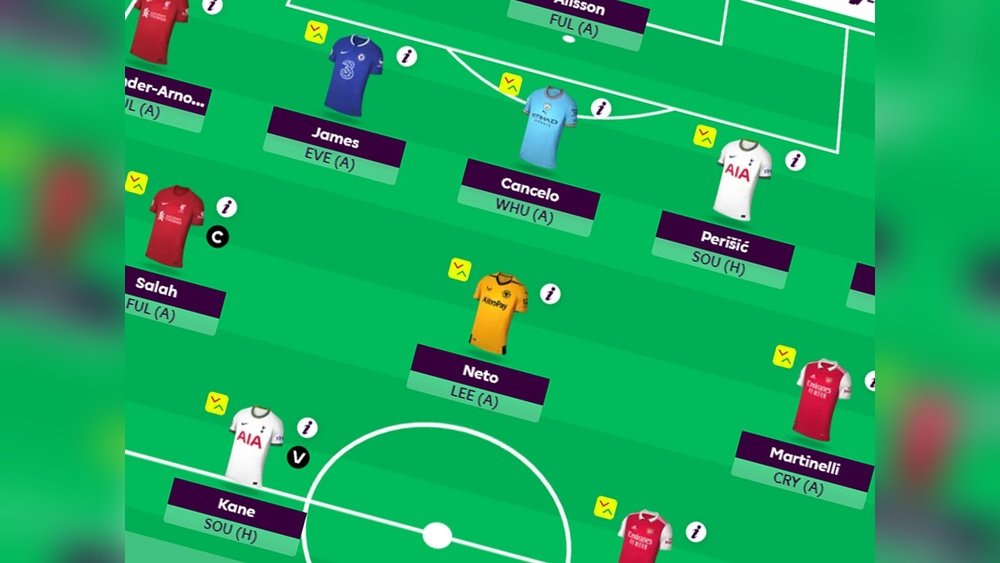
Are you ready to dominate your Fantasy Premier League this new season? Whether you’re a rookie or looking to improve your game, getting the right tips can make all the difference.
Imagine having a winning strategy that helps you pick the best players, make smart transfers, and score big week after week. This guide is packed with simple, effective Fantasy Premier League tips designed just for you. Stick with us, and you’ll start the season confident and ready to climb those rankings fast!
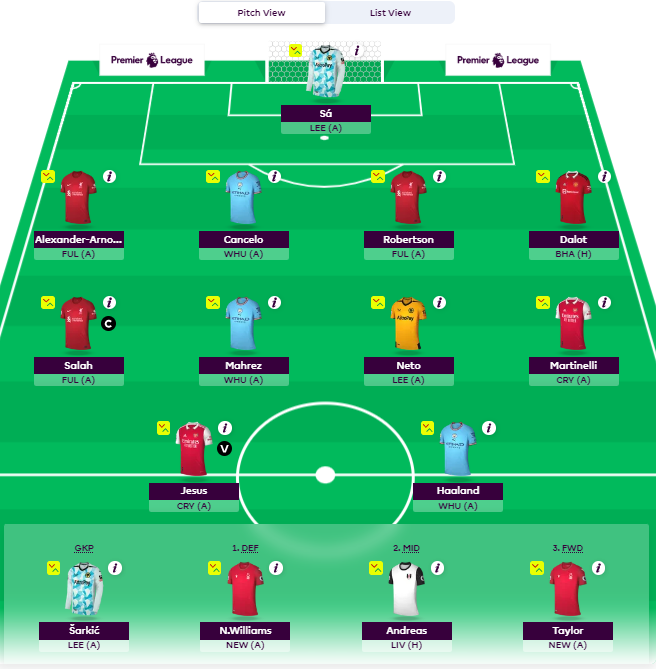
Credit: www.freesupertips.com
Choosing The Right Captain
Choosing the right captain is a key decision in Fantasy Premier League. The captain earns double points, so picking wisely can boost your score. This choice needs thought and strategy.
Good captains often come from players who score goals, assist often, or keep clean sheets. Form and fixtures also matter. Let’s explore how to pick the best captain for your team.
Analyze Player Form And Fitness
Check recent performances before choosing a captain. Players in good form score more points. Avoid players who are injured or doubtful.
Consider Upcoming Fixtures
Look at the strength of the next opponents. Easy matches increase chances for goals and assists. Favor players with home games or weak defenses ahead.
Pick Consistent Performers
Choose players who regularly score or assist. Consistency lowers risk. Star players from top teams often fit this profile.
Factor In Set-piece Duties
Players who take penalties or free kicks have extra scoring chances. This adds value to your captain pick. Confirm their role before selecting.
Use Statistics And Expert Advice
Check stats like expected goals and assists. Expert tips can highlight strong captain options. Use reliable sources to guide your choice.
Balancing Budget And Quality
Balancing budget and quality is crucial in Fantasy Premier League. You need to spend wisely on top players. At the same time, find budget options that perform well. This balance helps you build a strong team without overspending.
Choosing expensive stars alone can leave your squad weak in other areas. Low-cost players who regularly score points add great value. Mixing both types creates a competitive team that lasts through the season.
Assess Player Value
Look beyond player price. Check their recent form and fixtures. A cheaper player with good stats can be better than an expensive one. Use data to find hidden gems that fit your budget.
Spread Funds Across Positions
Distribute your budget evenly. Avoid spending too much on one position. For example, a strong midfield does not help if your defense is weak. Balanced spending builds a well-rounded team.
Use Budget Players As Starters
Select budget players who start games often. Regular playtime means more chances to earn points. Avoid cheap players who sit on the bench. This strategy maximizes your budget’s impact.
Monitor Player Prices And Trends
Keep an eye on price changes during the season. Player values rise and fall based on performance and transfers. Buying players early at low prices can save you money. Sell high-value players to reinvest wisely.
Prioritizing Attacking Players
Attacking players often score the most points in Fantasy Premier League. They create goals, assist teammates, and sometimes take penalties. Choosing the right attackers can give your team a big advantage. Focus on players who regularly shoot, create chances, and play for strong teams.
Attackers have more chances to earn points than defenders or midfielders. Goals and assists bring large bonuses. Even a single goal can change your gameweek score drastically. Attacking players also earn points from bonus awards and clean sheets if they are midfielders.
Choosing Forwards Who Consistently Score
Pick forwards who score goals often. Look for players with a high number of shots and good conversion rates. Players who play every game for their team are safer bets. Avoid forwards who sit on the bench or do not take many shots.
Midfielders With Goal Threats
Midfielders who score or assist regularly add great value. Some midfielders take set pieces or penalties, increasing their point potential. Look for those who play in advanced positions and join attacks. Midfielders who help defense also add extra points for clean sheets.
Wingers And Attacking Fullbacks
Wingers who deliver crosses and create chances can earn many assists. Attacking fullbacks who join attacks may score or assist too. They can also earn clean sheet points if their team defends well. Choose players with high involvement in their team’s offense.
Targeting Players With Good Fixtures
Targeting players with good fixtures is a smart strategy in Fantasy Premier League. Choosing players who face weaker teams or have a run of easier matches can boost your points. This approach helps maximize your returns by focusing on opportunity and consistency.
Good fixtures often mean more chances to score goals, assists, or keep clean sheets. It is important to study the fixture list before making transfers or finalizing your squad. Planning ahead ensures you have the right players at the right time.
How To Identify Good Fixtures
Check the upcoming matches for each player’s team. Look for teams playing against sides with poor defensive records. Also, consider home games, as teams tend to perform better at home. A string of favorable fixtures increases the chance of points.
Balancing Fixtures With Player Form
Good fixtures alone do not guarantee points. Players must be in good form to take advantage of easier matches. Combine fixture analysis with recent performance data. Selecting in-form players with good fixtures creates stronger lineups.
Using Fixture Difficulty Ratings
Many Fantasy Premier League tools provide fixture difficulty ratings. These ratings help compare match challenges quickly. Lower difficulty means easier opponents. Use these ratings to spot valuable players for your team during busy periods.
Planning Transfers Around Fixture Runs
Plan your transfers to bring in players during their good fixture runs. Avoid investing in players before tough matches. Swap players out when difficult fixtures arrive. This rotation keeps your team competitive all season long.
Understanding Chip Strategies
Understanding chip strategies is key to scoring big in Fantasy Premier League. Chips give extra boosts to your team during the season. Using them wisely can change your points drastically.
Each chip has a unique effect. Knowing when and how to use them helps you get the most out of your team. Plan ahead to avoid wasting these valuable tools.
What Are Fpl Chips?
FPL chips are special features that give your team extra advantages. These include extra transfers, bench boosts, or even a free hit for one gameweek. You get a limited number of chips each season.
Using chips at the right time can help you fix problems or take advantage of good fixtures. They are tools to boost your points when the regular rules hold you back.
Best Time To Use The Wildcard
The Wildcard lets you make unlimited transfers in one gameweek. It is best used early or mid-season to rebuild your team. Use it when many players are injured or out of form.
Another good time is before a double gameweek, to add players playing twice. The Wildcard refreshes your squad and sets you up for future success.
How To Use The Bench Boost
The Bench Boost adds points from your entire squad, not just the starting eleven. Use it when all your players have good fixtures. This usually happens during double gameweeks.
Make sure your bench players are strong before activating this chip. Otherwise, it may not add many points.
When To Play The Triple Captain
The Triple Captain chip triples your captain’s points for one gameweek. Use it on a reliable, high-scoring player. Ideal times are during double gameweeks or easy fixtures.
Choose a player who is likely to play full 90 minutes and score or assist. This chip can produce large gains if timed well.
Using The Free Hit Chip
The Free Hit lets you make unlimited transfers for one gameweek only. Your team returns to normal the next week. Use it during blank gameweeks when many teams do not play.
This chip helps you field a full team when many players are unavailable. It can also be useful during fixture congestion or unexpected injuries.
Building A Strong Bench
A strong bench plays a key role in Fantasy Premier League success. It offers backup options when starters miss games. Good bench players also provide flexibility during busy fixtures. Building a reliable bench means picking players who often play and bring points.
Bench strength helps avoid point losses from unexpected absences. It supports your team through injuries, rotation, and suspensions. Smart bench choices allow easy substitutions without weakening your squad.
Choose Playing Bench Players
Select bench players who regularly start matches. Avoid those who rarely play or sit on the bench. Regular starters increase your chance of bench points. Check team news and past lineups for clues about playing time.
Balance Budget And Quality
Spend wisely on your bench to keep funds for starters. Pick affordable players who still deliver points. Cheap players from strong teams or with set-piece duties can be valuable. Avoid wasting budget on bench players who never play.
Include Different Positions
Fill your bench with a mix of defenders, midfielders, and forwards. This variety helps cover any position when needed. A balanced bench means you can replace any starter without risk. Do not ignore goalkeepers; a reliable backup is vital.
Monitor Fixtures And Rotation
Consider the upcoming fixtures of your bench players. Favor those with easier matches to increase points chances. Beware of teams known for rotating players often. Plan your bench to handle fixture congestion periods well.
Tracking Player Form And Fitness
Tracking player form and fitness plays a big role in Fantasy Premier League success. Players in good form tend to score more points. Fitness affects their playing time and performance. Ignoring these factors can hurt your team’s results.
Regular updates on form and fitness help you make smarter transfers and captain choices. Watching matches and reading team news gives clues about players’ conditions. This knowledge keeps your squad competitive each gameweek.
Understanding Player Form
Player form shows how well a player performs recently. Look at goals, assists, and clean sheets over the last few matches. A player scoring or assisting often is in good form. Consistent performers bring steady points to your team.
Check stats like shots on target and key passes. They hint if a player will keep producing points. Avoid players with long goal droughts or poor match ratings.
Monitoring Fitness Levels
Fitness affects a player’s ability to start games and play full matches. Injuries or fatigue reduce their minutes and points potential. Follow club injury reports and training updates closely.
Players returning from injury may need time to regain full form. Avoid rushing to bring them in too early. Opt for fully fit players to maximize points each week.
Using Reliable Sources
Trust official club websites and reputable sports news for accurate updates. Social media accounts of clubs and managers often share quick news. Fantasy football forums and podcasts provide helpful tips on player conditions.
Combining multiple sources improves your understanding of player status. This helps you avoid surprises before deadlines and make better decisions.
Maximizing Points From Set-pieces
Set-pieces offer a consistent chance to earn extra points in Fantasy Premier League. Players who take corners, free-kicks, or penalties often boost their team’s score. Choosing such players can improve your overall points tally without relying solely on open play goals.
Many set-piece takers also have high assist potential. Their accurate deliveries create scoring chances for teammates. This dual threat makes them valuable assets for any Fantasy Premier League squad.
Identify Reliable Penalty Takers
Penalty takers score more goals and gain extra points. Pick players confirmed to take penalties for their teams. Check recent matches and team news for updates on penalty duties. A consistent penalty taker adds steady goal-scoring potential.
Choose Players Who Take Corners And Free-kicks
Players who take corners and free-kicks often assist goals. Their set-piece deliveries create scoring opportunities. Look for midfielders or defenders known for good crossing skills. They contribute assists and sometimes score directly from free-kicks.
Consider Defenders With Set-piece Threat
Some defenders specialize in attacking set-pieces like corners. Tall defenders with heading ability score from these chances. Selecting such defenders increases clean sheet points and goal threat. They provide a balanced risk and reward option.
Track Team Set-piece Strategies
Teams vary in set-piece success depending on style and players. Follow team tactics to find which squads score more from set-pieces. Players from these teams have higher potential for points. Regularly update your knowledge with match reports and stats.
Using Predicted Lineups To Your Advantage
Using predicted lineups can give you an edge in Fantasy Premier League. They show which players are likely to start the match. This helps you pick players who will play more minutes and have better chances to score points.
Predicted lineups come from team news, manager hints, and expert analysis. They often change before game day, so checking them regularly is important. This way, you avoid picking players who may be benched or injured.
Check Lineups Close To Kickoff
Lineups are more accurate as the match time nears. Look for updates a few hours before kickoff. This helps you spot last-minute changes and adjust your team accordingly. You can transfer out players who won’t start and bring in those confirmed to play.
Focus On Consistent Starters
Some players always make the starting eleven. These players offer steady points over the season. Use predicted lineups to identify such reliable starters. They reduce the risk of losing points due to unexpected benchings.
Spot Rotation Risks Early
Managers rotate players to keep them fresh. Predicted lineups reveal these rotation patterns. Avoid players who often get rested in tough matchweeks. Instead, pick those with fewer rotation risks to maximize points.
Plan Transfers With Lineup Insights
Predicted lineups help plan your transfers better. Buy players who are confirmed starters and drop those who are doubtful. This saves points and improves your team’s overall performance each gameweek.
Managing Transfers Efficiently
Managing transfers efficiently is key to success in Fantasy Premier League. Wise transfer choices keep your team strong and flexible. Each transfer matters because you have limited free transfers per week.
Using transfers without a plan can harm your points total. Planning transfers helps keep your budget balanced and your squad competitive. It allows you to adapt to injuries, suspensions, and fixture changes.
Plan Transfers Around Fixture Difficulty
Check the upcoming fixtures before making transfers. Target players with easier matches ahead. Avoid transferring in players facing tough opponents consecutively. This strategy increases chances of points from goals and assists.
Save Transfers For Double Gameweeks
Hold onto free transfers to use in double gameweeks. These are weeks when some teams play twice. Players with two matches can score more points. Using transfers smartly here can boost your overall score.
Avoid Taking Point Hits Early
Taking points hits by making extra transfers early is risky. It can lower your total points in the short term. Only take hits when you fix big problems or prepare for major gains. Patience often pays off in the long run.
Monitor Player Form And Injuries
Regularly check player form and injury news. Transfer out players who are injured or out of form. Bring in players who are playing well and starting regularly. This keeps your team performing at its best.
Use Your Bench Wisely
Keep a balanced bench to cover unexpected absences. Choose reliable substitutes who can fill in without losing points. This reduces the need for urgent transfers. A strong bench supports your main squad throughout the season.
Spotting Differential Picks
Finding differential picks can give your Fantasy Premier League team a unique edge. These players have low ownership but high potential. They can help you climb the rankings fast. Choosing the right differentials takes research and a bit of courage. It means betting on players others often overlook.
Differential picks bring variety to your squad. They reduce the risk of having the same players as many others. This way, your team stands out and can score points others miss. Spotting these gems early in the season is key. Watch for players who show promise in form, fixtures, and roles.
Analyzing Player Form And Fixtures
Check recent performances before picking a differential. Players in good form are more likely to keep scoring points. Next, study their upcoming fixtures. Easier matches can boost chances for goals and assists. Combine form and fixture analysis for better picks.
Targeting Underowned Players With Potential
Look for players with low ownership but good stats. These can be new starters or players returning from injury. They often fly under the radar of most managers. Choosing them can give your team a unique boost. Use stats sites to find hidden talents.
Considering Team Changes And Player Roles
Pay attention to team news and tactics. New signings or injuries can change player roles quickly. A player moving to a more attacking position can become a great pick. Monitor press conferences and official updates regularly. These clues help spot valuable differentials early.
Adjusting To Fixture Congestion
Fixture congestion means many matches in a short time. Players face more games with less rest. This affects their performance and fitness. For Fantasy Premier League (FPL) managers, this creates challenges. Choosing the right players becomes more important. You must think about rotation and injury risks.
Planning your team carefully helps handle fixture congestion. Focus on players who are likely to play more minutes. Some managers rest their top players during tight schedules. So, you need to spot those who stay in the starting lineup. Also, keep an eye on team news for updates.
Understanding The Impact Of Fixture Congestion
Teams often rotate players to manage fatigue. Star players may miss some matches. Some matches may be less important for teams. This affects player points in FPL. Players with heavy schedules may perform worse.
Teams playing in Europe or cups face more congestion. Their players need more rest. This means fewer starts in league matches. Avoid picking too many players from such teams.
Choosing Players Who Handle Congestion Well
Some players have strong fitness and rarely get rested. They play most matches despite fixture congestion. These players are valuable in FPL. Goalkeepers and defenders from solid teams also rotate less.
Look for players with good stamina and fewer injury problems. Midfielders and forwards who score often remain important. These players give you consistent points.
Using Rotation To Your Advantage
Rotation means players change based on schedule and fitness. Knowing team rotation patterns helps in FPL. Pick players who will play in key matches. Use substitutes wisely to cover resting players.
Keep some budget for bench players from teams with easier fixtures. This allows you to swap players when needed. Planning for rotation helps avoid point losses.
Capitalizing On Early Season Trends
Capitalizing on early season trends can shape your Fantasy Premier League success. The first few gameweeks reveal key player form and team dynamics. Acting on these trends early helps build a strong squad for the whole season.
Early trends highlight players who start in good form and those with favorable fixtures. Identifying these players quickly gives an edge over other managers. Pay close attention to team line-ups, injuries, and new signings.
Watching the opening matches also shows which defenders and midfielders earn points consistently. Teams with solid defenses or attacking styles often produce high-scoring Fantasy options. Use this information to adjust your transfers and captain picks.
Analyzing Player Form And Fitness
Players’ fitness affects their minutes and performance. Look for those who play full matches regularly. Avoid players recovering from injury or rotation risks. Consistent starters gain more points over time.
Form impacts confidence and output. Players scoring or assisting early tend to keep momentum. Track player stats like shots, chances created, and successful passes. These stats predict future points better than reputation alone.
Tracking Team Fixtures And Difficulty
Fixture difficulty influences player points significantly. Teams facing weaker opponents often have higher-scoring games. Use fixture schedules to plan transfers ahead. Pick players with easy runs in the first six to eight gameweeks.
Rotate players based on upcoming fixtures. Avoid investing heavily in players with tough matches early on. Balance your squad with options from teams with both easy and hard fixtures.
Identifying Emerging Budget Picks
New season trends reveal budget players outperforming their price. These hidden gems boost your team value without extra cost. Monitor players getting regular starts and involved in attacks.
Budget defenders and midfielders from promoted or less popular teams often offer good value. Early transfers to include these players create budget space for premium stars later.
Avoiding Common New Season Mistakes
Starting a new Fantasy Premier League season is exciting. Many new players make simple mistakes early on. These errors can cost points and lower rankings quickly. Avoiding common pitfalls gives you a strong start and builds confidence.
Focus on smart planning and careful player selection. Learn from past seasons to improve your strategy. Small changes make a big difference in your final score.
Choosing Players Based On Reputation Alone
Do not pick players just because they are famous. Past performance may not predict current form. Study recent stats and fitness before selecting. Choose players who play regularly and fit your budget.
Ignoring Team Fixtures And Schedules
Look at the upcoming matches for each team. Some teams face tough opponents early on. Pick players with easier fixtures to score more points. Changing your team later can waste transfers and points.
Overusing Transfers In Early Gameweeks
Save your free transfers for when they matter most. Making many changes early can lead to point losses. Build a balanced team and stick with it for a few weeks. Use transfers to fix real problems, not just to chase points.
Neglecting The Importance Of A Strong Bench
A strong bench helps cover injuries and rotation. Pick substitutes who can play if starters miss games. Avoid low-quality bench players who never score points. This backup can save your game during tough weeks.
Failing To Plan For Captains
Choosing the right captain each week is key. The captain scores double points. Pick players who regularly play and have good fixtures. Change your captain based on form and opponent strength.
Leveraging Ai And Expert Predictions
Using AI and expert predictions can improve your Fantasy Premier League decisions. These tools analyze data from past games, player form, and fixtures. They offer insights that help pick the best players and strategies. For new players, AI simplifies complex information and guides smart choices.
Experts combine experience and data to forecast player performance. Their predictions highlight who might score goals, assist, or keep clean sheets. Trusting their advice helps build a balanced and competitive team. Let’s explore how to use AI and expert tips effectively.
Understanding Ai Predictions In Fantasy Premier League
AI uses algorithms to study player stats, injury updates, and team tactics. It predicts points players may earn in upcoming matches. These predictions update regularly to reflect real-time changes. AI saves time and reduces guesswork in team selection. Beginners find it easy to follow AI’s guidance for transfers and captain choices.
How Expert Opinions Enhance Your Team Strategy
Experts watch games and analyze player conditions beyond numbers. They share thoughts on form, motivation, and fixture difficulty. Experts suggest when to use chips like Wildcard or Bench Boost. Their advice helps avoid common mistakes and boost overall points. Combining expert tips with AI creates a strong game plan.
Tools And Resources To Access Ai And Expert Tips
Many websites and apps provide AI-powered tools and expert articles. Fantasy Football Hub and official Premier League site offer forecasts and injury news. Podcasts and social media channels share expert views and updates. Use these resources daily to stay informed and adjust your team. Regular review of tips increases your chance to win.
Focusing On Defensive Stability
Defensive stability forms the backbone of a strong Fantasy Premier League (FPL) team. Choosing defenders and goalkeepers who consistently keep clean sheets can earn valuable points. A solid defense reduces the risk of conceding goals and increases your chances of success.
Stable defenses often belong to teams with good tactics and strong defensive records. Such teams tend to concede fewer goals, making their defenders more reliable point earners. Focus on defenders who start most matches and play full games.
Pick Defenders From Teams With Strong Defensive Records
Teams that concede fewer goals give defenders more clean sheet chances. Check last season’s stats to spot these teams. Defenders in these squads often have better point returns.
Choose Defenders Who Play Regularly
Regular starters get more chances to earn points. Avoid defenders who rotate often or face injury risks. Consistent playtime boosts your team’s stability.
Consider Goalkeepers For Double Clean Sheet Points
Goalkeepers earn extra points for clean sheets. Picking a goalkeeper from a strong defense adds value. This strategy maximizes defensive points overall.
Balance Defense And Attack
Some defenders score points by assisting or scoring goals. Look for defenders who join attacks and take set pieces. This adds extra points beyond clean sheets.
Monitor Fixtures And Team Form
Easy fixtures increase clean sheet chances. Track team form to spot defenders likely to keep clean sheets. Adjust your defense based on upcoming matches.
Incorporating Promoted Team Players
Incorporating players from promoted teams in your Fantasy Premier League (FPL) squad can add value. These players often have lower prices and can be hidden gems. They offer budget-friendly options to balance your squad.
Promoted teams bring fresh talent and new playing styles. This can lead to unexpected points and differential picks. Careful selection of these players can boost your team’s performance without overspending.
Assessing Player Potential From Promoted Teams
Look at players with consistent playing time in the Championship. Check their goal and assist records. Midfielders and forwards with good stats may adapt well to the Premier League.
Consider defenders who play regularly. They might earn clean sheet points if the team defends well. Also, note set-piece takers as they can add extra points.
Evaluating Team Strength And Fixtures
Analyze the promoted team’s style and squad depth. Teams with strong attacks can produce more FPL points. Easy early fixtures can help players gain momentum.
Check the fixture difficulty for the first few gameweeks. Favor players from promoted teams with manageable opponents. This strategy reduces risk and increases chances of points.
Finding Budget-friendly Differential Picks
Promoted teams usually offer cheap players under 5 million. These players are good for your bench or as starters. Selecting one or two can give you an edge over other managers.
Differential picks from promoted teams can surprise opponents. They often have low ownership, so their success boosts your rank. Use this to diversify your squad.
Planning For International Breaks
International breaks affect Premier League matches and Fantasy Premier League (FPL) squads. Planning for these breaks helps avoid unexpected problems. Injuries and fatigue often follow these breaks. Players may miss games or have limited minutes after traveling long distances. Smart planning keeps your FPL team strong during these times.
Check Player Involvement In International Matches
Identify players called up for international duty. Players in major tournaments or qualifiers risk injury and fatigue. Avoid depending too much on players who travel far. Choose players with fewer international commitments. This reduces the chance of missing gameweeks.
Monitor Injury Updates During Breaks
Follow news about player fitness during international breaks. Some players return injured or need rest. Replace injured players early to avoid point losses. Use official club and league sources for reliable updates. Staying informed helps maintain a competitive squad.
Use The Break To Plan Transfers And Chips
International breaks provide time to review your team. Plan transfers to fix weak areas or replace injured players. Consider saving chips like Wildcard or Free Hit for these periods. Chips help adjust your team without losing points. Proper timing maximizes their effectiveness.
Adapting To Rule Changes
The Fantasy Premier League updates its rules each season. These changes can affect your strategy and team choices. Understanding the new rules quickly helps you stay competitive and avoid mistakes.
Rule changes may include transfers, chips, or scoring tweaks. Adapting means learning these updates and adjusting your plans. This process improves your chances to score more points and enjoy the game.
Reading Official Rule Updates
Start by reading the official Fantasy Premier League rulebook. It explains all new changes clearly. Focus on sections about transfers, scoring, and chips. Knowing these details gives you a strong foundation.
Check the website regularly for announcements. Sometimes rules change before or during the season. Staying informed prevents surprises that could cost you points.
Adjusting Transfer Strategies
New transfer rules may limit or expand your moves. Plan your transfers based on these limits. Use them wisely to strengthen your team over time.
Watch for any changes in free transfers or penalties. These affect how often you can swap players without losing points. Adapt your transfer timing to get the most benefit.
Using Chips Effectively
Chips like Wildcard, Bench Boost, or Triple Captain can change each season. Learn the new rules for activating these chips. Timing their use is key to maximizing points.
Some chips may have new restrictions or benefits. Plan ahead and save chips for important fixtures or double gameweeks. Smart chip use can boost your rank quickly.
Monitoring Scoring System Changes
Scoring rules sometimes change player points for actions like goals or assists. Study any adjustments to scoring. This knowledge helps you pick players who will earn more points.
Focus on players who benefit from new scoring. This can be defenders scoring goals or midfielders assisting. Adjust your team to fit the updated scoring system.
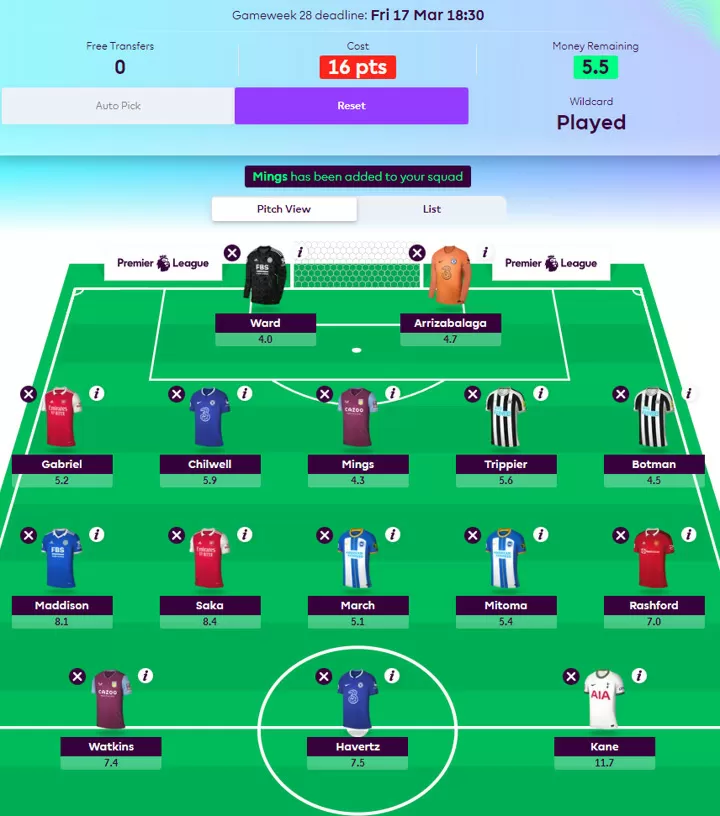
Credit: m.allfootballapp.com
Tracking Team News And Injuries
Tracking team news and injuries is vital for Fantasy Premier League success. Player availability changes often. Missing key injury updates can cost valuable points. Staying updated helps choose the best players and avoid risks. This section explains how to track news effectively.
Sources For Reliable Team News
Official club websites share injury updates first. Follow Premier League’s official site for news. Trusted sports news outlets provide verified reports. Social media accounts of clubs and managers offer quick updates. Use multiple sources to confirm information.
How To Monitor Injury Updates
Check injury reports daily, especially before deadlines. Use Fantasy Premier League apps with push notifications. Join FPL forums and communities for real-time info. Watch pre-match press conferences to hear manager comments. Track player fitness and recovery progress carefully.
Impact Of Injuries On Player Selection
Injured players earn no points and waste transfers. Avoid picking doubtful or injured players. Consider backup options in your squad for emergencies. Rotate players based on injury risks and match schedules. Plan transfers ahead to replace injured key players.
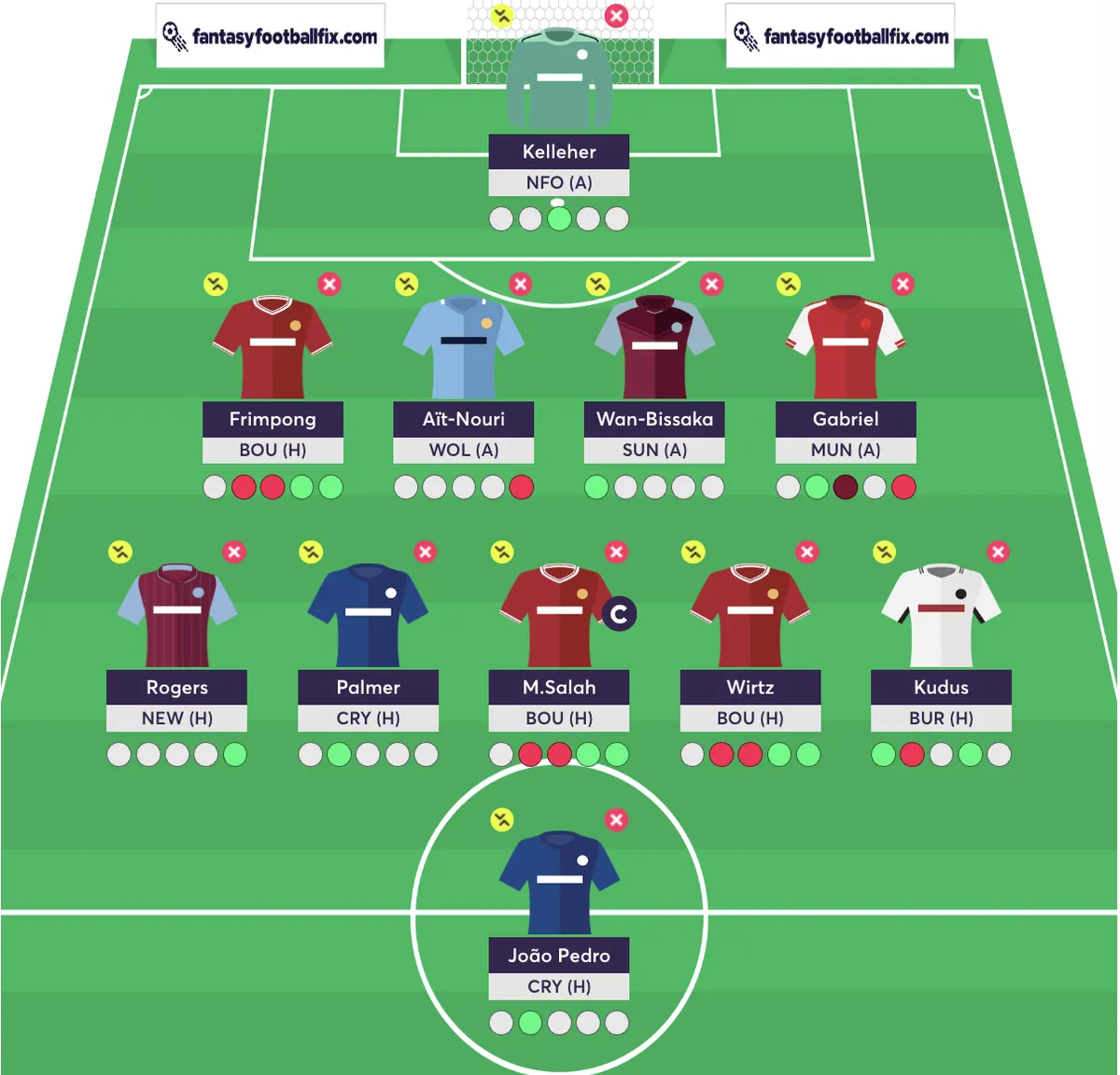
Credit: www.fantasyfootballfix.com
Frequently Asked Questions
What Is Fantasy Premier League (fpl)?
FPL is an online game where you create a virtual football team from Premier League players.
How To Choose The Best Players For Fpl?
Pick players who play often, score goals, assist, and have good fixtures ahead.
When Should I Use My Fpl Chips Effectively?
Use chips during double gameweeks or blank gameweeks for maximum points and advantage.
How Important Is The Captain Choice In Fpl?
Captain scores double points; choose a reliable and in-form player each week.
What Is The Best Strategy For Fpl Team Formation?
Balance your team with strong defenders, midfielders, and forwards within your budget.
How Do I Keep Track Of Player Injuries In Fpl?
Check official team news and updates regularly to avoid selecting injured players.
Why Should I Focus On Fixtures For Fpl Players?
Players with easier upcoming matches tend to score more points consistently.
Can I Make Transfers During The Fpl Season?
Yes, you get free transfers each gameweek to improve your team.
How To Avoid Common Mistakes In The New Fpl Season?
Avoid picking too many players from one team and don’t ignore budget balance.
What Role Do Penalties And Set-piece Takers Play In Fpl?
Players who take penalties and free-kicks often earn extra points for goals and assists.
Conclusion
Success in Fantasy Premier League starts with smart planning and patience. Choose players with good form and fixtures. Balance your squad between stars and reliable backups. Keep track of injuries and team news each week. Adjust your team based on performance, not just names.
Remember, consistency beats risky moves over time. Enjoy the season and learn from each gameweek. Fantasy Premier League is fun and rewarding with the right approach. Stay focused, stay flexible, and good luck!