Are you ready to mark your calendar for one of the biggest sporting events on the planet? The FIFA World Cup 2026 is just around the corner, and if you’re a soccer fan, knowing exactly when it kicks off is essential for planning your ultimate viewing experience.
Whether you want to catch every thrilling match live or join the global celebration with friends and family, this article will give you the clear answers you need. Keep reading to discover the official dates, host locations, and what makes the 2026 World Cup unlike any before.
Your countdown to unforgettable moments starts here!
Fifa World Cup 2026 Hosts
The FIFA World Cup 2026 will be a historic event with three host countries. For the first time, the tournament will be jointly hosted by the United States, Canada, and Mexico. This collaboration brings together North America’s passion and world-class stadiums. Fans can expect exciting matches in multiple cities across the continent.
The joint hosting will help spread the games over a wide area. It also offers diverse cultures and experiences for visitors. Each country will showcase its unique hospitality and football spirit. This setup marks a new chapter in World Cup history.
United States: The Main Host
The United States will host the majority of the matches. It will have 16 cities hosting games, including big stadiums like MetLife Stadium in New Jersey and SoFi Stadium in California. The U.S. has a strong football fan base and excellent infrastructure. This makes it a great place for such a large event.
Canada: Welcoming World Football
Canada will host matches in three cities, including Toronto and Vancouver. The country is ready to welcome fans with its friendly atmosphere and top stadiums. Hosting the World Cup will boost soccer’s popularity in Canada. It also shows the country’s growing role in international football.
Mexico: Historic Football Nation
Mexico will host matches in three cities, including Mexico City’s famous Estadio Azteca. This stadium has a rich World Cup history, hosting finals in 1970 and 1986. Mexico’s passionate fans will add energy to the tournament. The country’s culture and love for football will shine during the event.
Tournament Dates
The FIFA World Cup 2026 is one of the most awaited sports events worldwide. Fans eagerly mark their calendars to follow the matches. Knowing the exact tournament dates helps everyone plan to watch or attend the games. The schedule will cover several weeks of intense football action across multiple cities.
Tournament Start Date
The World Cup 2026 will begin in early June. This timing fits well with the summer break for many fans. The opening match will set the tone for the competition. Teams will showcase their skills from the very first day.
Group Stage Duration
The group stage will last about two weeks. During this period, all teams will play their initial matches. Fans will see exciting rivalries and surprises unfold. This phase determines which teams move on to the knockout rounds.
Knockout Rounds Schedule
The knockout rounds start after the group stage ends. These matches are single elimination, raising the stakes for every team. The rounds include the Round of 16, Quarterfinals, and Semifinals. Each game will be critical and thrilling.
Final Match Date
The World Cup final will take place in mid-July. This match decides the world champion for the next four years. It will be held in a large, iconic stadium. Millions will watch as the top two teams compete for the trophy.
Host Cities And Venues
The FIFA World Cup 2026 will be hosted across three countries: the United States, Canada, and Mexico. This event marks the first time the tournament is shared by three nations. Fans can expect matches in vibrant cities with world-class stadiums.
Each host city offers unique culture and top sports venues. These venues will accommodate the expanded format of 48 teams. The stadiums are modern and ready to welcome millions of visitors.
United States Host Cities And Venues
The United States will have the majority of matches. Cities include New York, Los Angeles, Dallas, and Miami. Famous stadiums like MetLife Stadium and SoFi Stadium will host key games. These venues have large seating capacities and excellent facilities.
Canada Host Cities And Venues
Canada will host matches in Toronto, Vancouver, and Edmonton. BMO Field in Toronto is a prime venue. These cities are known for their friendly atmospheres and strong soccer fan bases.
Mexico Host Cities And Venues
Mexico will host games in Mexico City, Guadalajara, and Monterrey. The iconic Estadio Azteca in Mexico City will be a highlight. These venues have rich histories in international soccer.
Qualification Process
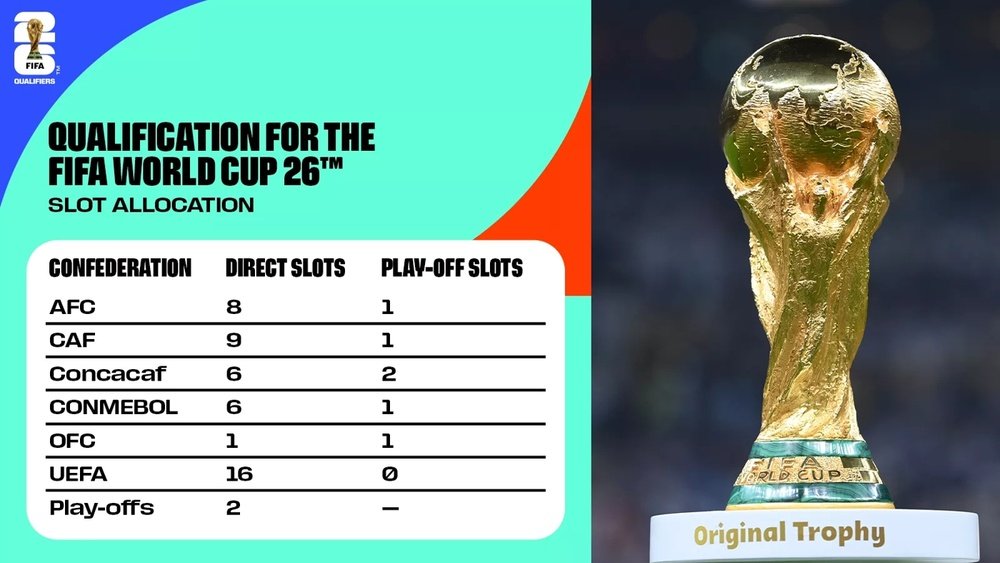
The qualification process for the FIFA World Cup 2026 is a crucial step. It decides which teams will compete in the tournament. Teams from different continents fight for limited spots.
This process starts years before the World Cup. Each continent has its own qualification system. The number of teams qualifying from each continent varies.
Qualification Format
The 2026 World Cup will have 48 teams, up from 32. This expansion means more places for teams worldwide. Qualification formats will differ by continent. Each confederation organizes its own matches and groups.
Continental Confederations
Six continental confederations manage qualification. They are AFC (Asia), CAF (Africa), CONCACAF (North America), CONMEBOL (South America), OFC (Oceania), and UEFA (Europe). Each confederation receives a set number of spots. Teams compete within their regions to claim these spots.
Host Nations’ Qualification
In 2026, three countries will host: USA, Canada, and Mexico. All three automatically qualify for the tournament. This reduces the number of available spots in CONCACAF. Other teams in this region will compete for the remaining places.
Intercontinental Playoffs
Some teams will qualify through intercontinental playoffs. These matches involve teams from different continents. Playoffs decide the last few slots in the World Cup. The format of these playoffs is set by FIFA.
Expanded Team Format
The 2026 FIFA World Cup will introduce a new expanded team format. This change will increase the number of teams competing in the tournament. It marks the biggest growth in World Cup history.
More countries will have the chance to play on football’s biggest stage. This expansion will bring fresh excitement and diversity to the event. Fans worldwide will enjoy watching more matches and new rivalries.
Increase In Participating Teams
The tournament will grow from 32 to 48 teams. This allows more nations to qualify and compete. Smaller football nations will gain more exposure and experience.
Qualifying rounds will be more competitive with more spots available. The increased number of teams reflects the global growth of football.
New Group Stage Format
The 48 teams will be divided into 16 groups of three teams each. Each team plays two group matches instead of three. The top two teams from each group will advance to the knockout stage.
This format keeps the group stage short and intense. It makes every match crucial for advancing further.
Impact On Tournament Duration And Venue Use
The expanded format will lengthen the tournament slightly. More matches require more venues and better logistics. Host countries must prepare more stadiums and facilities.
This expansion offers economic benefits to the host cities. It also ensures fans experience the World Cup across multiple locations.
Match Schedule Highlights
The FIFA World Cup 2026 will bring football fans thrilling action across three countries. The tournament spans several weeks, featuring many exciting matches.
Matches start with group stages, where teams battle to qualify for the next rounds. Each game promises intense competition and unforgettable moments.
Group Stage Matchups
The group stage will feature 48 teams divided into 16 groups. Each group will have three matches, ensuring every team plays twice.
This stage sets the tone for the tournament. Teams will fight hard to secure spots in the knockout rounds.
Knockout Round Schedule
After the group stage, the top teams enter the knockout rounds. These matches are single elimination, increasing the stakes.
Expect dramatic games from the Round of 32 to the quarterfinals. Each match could end in extra time or penalties.
Key Dates For Quarterfinals And Semifinals
The quarterfinals and semifinals will be held at major stadiums across the host cities. These matches determine the final four teams.
Fans can expect high tension and world-class football during these critical games.
The Fifa World Cup Final
The final match is scheduled at the MetLife Stadium in New Jersey, USA. It will crown the world champion after weeks of fierce competition.
This match will be the most watched event of the tournament, filled with passion and skill.
Group Stage Structure
The Group Stage of the FIFA World Cup 2026 will introduce an expanded format. This stage sets the stage for the entire tournament. Teams compete to qualify for the knockout rounds.
Understanding the group stage structure helps fans follow the competition better. The format change impacts the number of matches and teams involved. This creates more excitement and opportunities for teams.
Group Formation And Team Allocation
The tournament will feature 48 teams divided into 12 groups. Each group will contain four teams. Teams will play each other once in the group. The top two teams from each group advance to the next round.
Match Scheduling And Venues
Matches will be held in multiple cities across the USA, Canada, and Mexico. Each group’s games will take place in different stadiums. The schedule ensures teams get adequate rest between games. Fans can expect matches spread over several days.
Points System And Tie-breakers
Teams earn three points for a win and one for a draw. No points are given for a loss. If teams have equal points, goal difference decides the ranking. Further ties are broken by goals scored and head-to-head results.
Credit: carboncredits.com
Knockout Rounds Overview
The knockout rounds of the FIFA World Cup 2026 will bring the most thrilling moments. Teams face direct elimination in this stage. Every match matters. One loss means the end of the journey.
Fans can expect intense battles as the best teams compete. The excitement grows with each round. The stakes become higher. This part of the tournament tests skill, strategy, and nerve.
Round Of 32
The tournament expands to 48 teams, but 32 teams enter the knockout phase. Winners from the group stage advance here. Matches decide who moves closer to the final.
Teams must give their best to survive. The pressure is on from the start. Surprises and upsets are possible at this stage.
Round Of 16
Winners from the Round of 32 advance to the Round of 16. The competition gets tougher as only the best remain. Every game is a battle for a spot in the quarterfinals.
Players often deliver their strongest performances here. Fans enjoy fast-paced and exciting matches full of drama.
Quarterfinals
The quarterfinals narrow the field to the top eight teams. Matches become even more competitive. Teams fight hard for a chance to reach the semifinals.
Experience and teamwork play big roles. The atmosphere in the stadiums is electric with anticipation and passion.
Semifinals
The semifinals feature the last four teams. Winning here means a place in the World Cup final. Losing teams play for third place.
These matches are intense and emotional. Every player wants to make history and bring glory to their country.
The Final
The final is the most important match of the tournament. Two teams compete for the World Cup trophy. The winner becomes the world champion.
This match draws global attention. It is full of skill, passion, and unforgettable moments. The final defines football history until the next World Cup.
Ticketing And Pricing
Tickets for the FIFA World Cup 2026 will attract millions of fans worldwide. Understanding ticketing and pricing is crucial for planning your trip. Prices vary by match type, seating category, and venue location. Early information helps fans prepare their budgets and secure seats early.
Ticket Categories And Availability
Tickets will come in different categories based on seat location. Category 1 offers the best views and highest prices. Category 3 provides affordable seats with a decent view. Fans can choose based on their budget and preference. Availability depends on the match stage and stadium size.
Pricing For Group Stage Matches
Group stage matches have the lowest ticket prices. These games are more frequent and offer chances to see multiple teams. Prices usually start at an affordable range. Fans with limited budgets should consider these matches. The cost reflects the early competition phase.
Cost For Knockout Rounds
Knockout rounds are more intense and attract higher prices. Tickets for these matches cost significantly more than group games. Fans want to see decisive moments and top teams. Prices rise as the tournament progresses towards the final.
Final Match Ticket Pricing
The final match has the highest ticket prices. It is the most anticipated event of the tournament. Fans pay premium prices to witness the crowning moment. Tickets for the final are limited and sell out quickly. Early registration and purchase are essential.
Official Ticket Sales Process
FIFA will manage ticket sales through an official online platform. Fans must register to participate in ticket lotteries. This system ensures fair access to tickets worldwide. Beware of unofficial sellers to avoid scams. Only buy from FIFA-approved sources for security.
Fan Experience Plans
The FIFA World Cup 2026 promises an exciting fan experience. Organizers focus on making every moment memorable for attendees. Plans include interactive zones, fan festivals, and easy access to stadiums. These efforts ensure fans enjoy the tournament beyond just the matches. Expect vibrant atmospheres and engaging activities for all ages.
Interactive Fan Zones
Fan zones will appear in all host cities. These areas offer live screenings and entertainment. Fans can meet former players and join football-themed games. Food and merchandise stalls will provide local flavors and souvenirs. It is a place to celebrate football together, day and night.
Enhanced Stadium Access
Travel to stadiums will be smooth and safe. Improved public transport and shuttle services will support crowd movement. Security checks will be faster to reduce waiting times. Clear signage and friendly staff will assist fans inside venues. Accessibility options will cater to people with disabilities.
Digital Engagement
A dedicated app will keep fans updated in real time. It will offer match schedules, ticket info, and venue maps. Fans can participate in polls and contests through the app. Augmented reality features will bring the game closer to viewers. Social media integration will share fan moments instantly.
Stadium Capacities
The stadiums for the FIFA World Cup 2026 will host millions of fans from around the world. These venues have large seating capacities to accommodate a diverse crowd. Each stadium is designed to deliver an exciting and comfortable experience during matches.
Stadium capacity plays a key role in the tournament’s atmosphere and ticket availability. Bigger stadiums allow more fans to watch games live. The 2026 World Cup will use some of the largest stadiums in North America.
Top Stadiums By Capacity
MetLife Stadium in New Jersey is the largest venue, with a capacity of around 82,500 seats. SoFi Stadium in California follows closely, holding about 70,000 spectators. These stadiums will host crucial matches, including the final stages.
Medium-sized Stadiums
Several stadiums offer capacities between 40,000 and 60,000 seats. Examples include BMO Field in Toronto and Levi’s Stadium in California. These venues will host group stage and knockout round matches, providing great views for fans.
Smaller Venues With Unique Atmosphere
Stadiums with capacities below 40,000 will also be part of the tournament. These smaller venues create an intense and intimate fan experience. They are perfect for early-stage matches and local supporters.
Credit: www.fox29.com
Notable Players To Watch
The FIFA World Cup 2026 will showcase the finest football talents from around the globe. Fans will witness rising stars and established legends competing on a grand stage. These players will define the tournament’s excitement and intensity.
Many notable players have already caught the world’s attention. Their skills, speed, and precision make them key figures to watch. Each one has the potential to change the course of matches and lead their teams to victory.
Emerging Young Talents
Young players bring fresh energy and new styles to the World Cup. Some have already impressed in club football and smaller international matches. Their hunger to prove themselves makes them thrilling to follow. Watch for fast wingers, creative midfielders, and sharp strikers among this group.
Veteran Stars Returning
Experienced players offer leadership and calm under pressure. They have faced many big games and understand the World Cup’s weight. These veterans can guide younger teammates and make crucial plays. Their presence often lifts the whole team’s performance.
Top Scorers To Follow
Goal scorers capture headlines and win matches. Their ability to find the net in tight moments is priceless. Some are known for powerful shots, others for clever positioning. Tracking these players is essential for anyone who loves goals and highlights.
Goalkeepers With Impact
Goalkeepers can be the difference between victory and defeat. Great saves inspire confidence and change momentum fast. Look for keepers with sharp reflexes and strong leadership. Their performance often sets the tone for the entire defense.
Broadcast And Streaming Info
The FIFA World Cup 2026 promises thrilling matches across North America. Fans worldwide want clear broadcast and streaming details. This section covers where and how to watch the tournament live. It helps viewers plan their viewing experience well in advance.
Television Broadcast Rights
Major networks in the United States will air the World Cup matches. Broadcasters like Fox Sports and Telemundo have secured rights. They will show games in English and Spanish. In Canada, broadcasters such as CTV and TSN hold the rights. Mexico viewers can watch on Televisa and TV Azteca. Coverage includes live matches, highlights, and expert analysis.
Official Streaming Platforms
Streaming options will be available for global audiences. The official FIFA app will offer live streams and updates. Fox Sports app and Peacock streaming service will cover the USA. In Canada, streaming is available through the TSN app and CTV’s digital platforms. Mexico viewers can stream matches via Televisa’s online service. These platforms allow access on mobile, tablet, and desktop.
Free And Paid Viewing Options
Some matches might be available for free on public channels. Paid subscriptions offer full tournament access and extra content. Check local listings to see which matches are free. Paid options often include high-definition streaming and multi-language commentary. Fans should choose the option that fits their budget and viewing needs.
Cultural Events Around The Cup
The FIFA World Cup 2026 promises more than thrilling football matches. It will also be a grand stage for diverse cultural events. These events will bring fans closer to the host countries’ traditions and arts. The tournament spans the United States, Canada, and Mexico. Each country will showcase its unique heritage through music, food, and festivals.
Cultural events will create a vibrant atmosphere around the stadiums. Fans will enjoy local crafts, dance performances, and culinary delights. These activities aim to connect visitors with the spirit of the region. The World Cup will become a celebration of global unity and cultural exchange.
Music Festivals and Live PerformancesMusic will fill the air at many World Cup venues. Local artists and international stars will perform daily. Different genres will highlight each region’s musical identity. These concerts will give fans a chance to relax and celebrate. They will also spotlight the rich musical traditions of the host cities.
Food Markets and Culinary ShowsFood markets will offer tastes from all three host countries. Street vendors and chefs will serve traditional dishes and new flavors. Cooking demonstrations will teach fans about local ingredients and recipes. These food events will be perfect for trying something new. They celebrate the diversity and creativity of North American cuisine.
Art Exhibitions and Cultural WorkshopsArt exhibitions will display works from local and international artists. Museums and pop-up galleries will open near fan zones. Workshops will let visitors try crafts like pottery, weaving, and painting. These activities will deepen fans’ understanding of the host cultures. They also provide a quiet space to enjoy art amidst the excitement.
Traditional Festivals and ParadesTraditional festivals will bring history and folklore to life during the tournament. Parades will feature colorful costumes, dance, and music. Each host city will highlight its unique cultural stories. These events will invite fans to join in the celebrations. They offer a chance to experience local customs up close.
Security Measures
Security measures for the FIFA World Cup 2026 will be extensive and strict. Organizers prioritize safety for players, fans, and staff. The event spans three countries: the USA, Canada, and Mexico. This adds complexity to the security planning. Cooperation between multiple agencies will ensure smooth operations.
Authorities will use advanced technology to monitor stadiums and public areas. Surveillance cameras, drones, and facial recognition systems will be common. Security personnel will undergo special training to handle emergencies. Fans can expect thorough screening at all venues.
Coordination Between Countries
Security teams from the USA, Canada, and Mexico will work closely. They will share information and resources in real time. This cooperation helps prevent threats and respond quickly. Joint drills and communication plans are already in place. Such coordination ensures a unified security approach.
Use Of Technology
Technology will play a key role in security. High-definition cameras will cover every angle of stadiums. Artificial intelligence will help detect suspicious behavior early. Mobile apps will keep fans informed about safety updates. These tools improve surveillance and crowd control.
Emergency Preparedness
Emergency plans will cover all possible scenarios. Medical teams and first responders will be on standby. Evacuation routes will be clearly marked and tested. Organizers will conduct regular safety drills. This readiness aims to protect everyone involved.
Fan Security And Screening
Security checks at entrances will be thorough but fast. Bags and belongings will be inspected carefully. Metal detectors and body scanners will be used. Fans must cooperate to maintain safety. Clear signage and staff guidance will help ease the process.
Economic Impact
The FIFA World Cup 2026 promises a significant economic impact on the host countries. The tournament will be held in the United States, Canada, and Mexico. Hosting this event creates many opportunities for local businesses and governments.
Millions of visitors will travel to the host cities. This influx boosts spending on hotels, restaurants, and transportation. Local workers may find new jobs during the event. The construction of stadiums and infrastructure also stimulates the economy.
Boost To Tourism
The World Cup attracts fans from around the world. Tourists spend money on accommodations and entertainment. Many visitors explore cities beyond the stadiums. This helps smaller towns near host cities gain income. Tourism growth can continue even after the event ends.
Job Creation
Preparing for the World Cup requires many workers. Jobs appear in construction, security, and hospitality. Temporary positions increase during the tournament. These jobs provide income to local communities. Skills gained may help workers find future employment.
Infrastructure Development
Host cities invest in roads, airports, and public transport. These improvements benefit residents long term. Better infrastructure can attract future events and businesses. New stadiums offer venues for sports and concerts. The World Cup accelerates projects that may take years otherwise.
Local Business Growth
Small and medium businesses see higher sales. Restaurants, shops, and services experience more customers. Event vendors profit from selling merchandise and food. Partnerships with global brands increase business exposure. The tournament creates a lively atmosphere that encourages spending.
Sustainability Initiatives
The FIFA World Cup 2026 will set new standards for sustainability. Organizers focus on reducing environmental impact. The goal is a greener, cleaner event.
Efforts include using renewable energy and minimizing waste. Stadiums and venues will follow eco-friendly practices. Fans and teams will also play a part.
Renewable Energy Use
Stadiums will rely heavily on solar and wind power. This reduces carbon emissions during the matches. Organizers plan to power most facilities with clean energy.
Waste Reduction And Recycling
Strict waste management systems will be in place. Recycling bins will be available everywhere. Food vendors will use compostable and recyclable packaging.
Eco-friendly Transportation
Public transport will be promoted to lower car use. Electric buses and shuttles will serve fans and staff. Bike-sharing programs will also support eco travel.
Water Conservation Measures
Water-saving technologies will be installed at all venues. Rainwater harvesting will support irrigation needs. Fans will be encouraged to use water responsibly.
Community Engagement
Local communities will join sustainability programs. Educational campaigns will raise awareness about eco-friendly actions. Volunteers will help monitor environmental efforts during the event.
Credit: rcrusadernews.com
Historical Comparisons
The FIFA World Cup 2026 promises to be a landmark event in football history. Comparing it to past tournaments helps us understand its scale and significance. The 2026 edition will be the first to feature 48 teams, expanding from the previous 32. This change will reshape the competition format and create more opportunities for countries to participate.
Hosting the World Cup across three countries—United States, Canada, and Mexico—is another historic first. Past tournaments were held in a single country or shared by two. This tri-nation hosting will bring unique challenges and new experiences for fans and players alike.
Expansion From 32 To 48 Teams
The 1998 World Cup was the first to include 32 teams, up from 24. This expansion allowed more countries to compete on the world stage. The 2026 World Cup will increase teams to 48, marking the largest tournament ever. More matches mean more excitement and chances for underdog stories.
Multi-country Hosting History
The 2002 World Cup was the first shared by two countries, South Korea and Japan. It proved co-hosting could work well with proper planning. The 2026 World Cup will be the first to be hosted by three nations. This setup will cover a vast geographic area, bringing the game to new regions.
Previous North American World Cups
North America has hosted the World Cup three times before 2026. The United States hosted in 1994, Mexico in 1970 and 1986. Each tournament left a lasting impact on the sport’s growth in the region. The 2026 event will build on this legacy with modern stadiums and expanded fan engagement.
Fan Zones And Activities
The FIFA World Cup 2026 promises more than just thrilling football matches. Fan zones and activities will bring the tournament to life for visitors and locals alike. These zones will offer a lively space for fans to gather, celebrate, and enjoy the spirit of the event.
Each host city plans to create fan zones filled with big screens, food stalls, and live entertainment. These areas will allow fans to watch matches together in a festive atmosphere. The zones will also feature interactive games and cultural showcases related to the participating countries.
Families and fans of all ages will find plenty to do. From music performances to football skill challenges, the activities will keep the excitement high even between games. Fan zones serve as a perfect spot to meet other fans and share the love for football.
Locations Of Fan Zones
Fan zones will be set up in major cities across the host countries. These include large parks, public squares, and stadium plazas. Each location aims to be easily accessible and provide a safe environment for fans.
Types Of Activities
Activities will range from watching live match broadcasts to joining football clinics. Fans can enjoy cultural exhibits, food tastings, and live concerts. Many zones will also offer merchandise stalls and photo booths for memorable moments.
Family-friendly Options
Special areas will cater to children and families. These zones will have fun games, face painting, and kid-friendly shows. Parents can relax while kids stay entertained and safe.
Safety And Accessibility
Organizers will ensure fan zones meet safety standards. There will be medical help, security personnel, and clear signage. Zones will also be accessible for people with disabilities.
Future World Cups Preview
The FIFA World Cup is the most popular football event worldwide. Fans wait eagerly for each new tournament. The future World Cups promise exciting matches and new host countries. Each edition brings changes in venues and format. Let’s explore what to expect in the coming tournaments.
Fifa World Cup 2026 Dates And Hosts
The 2026 World Cup will take place in North America. Three countries will host: the USA, Canada, and Mexico. The tournament will run from June to July 2026. This will be the first time three nations co-host the event. Matches will be held in cities across all three countries.
Expanded Teams And Format Changes
The 2026 World Cup will feature 48 teams instead of 32. Teams will be divided into 16 groups of three teams each. The top two from each group will advance to the knockout stage. This change allows more countries to participate. Fans can expect more matches and diverse competition.
Future Hosts Beyond 2026
After 2026, the World Cup will continue every four years. The 2030 World Cup is planned to celebrate 100 years of the tournament. Multiple countries have shown interest in hosting future events. The location will be announced by FIFA in the coming years. New stadiums and technologies will enhance the experience.
Frequently Asked Questions
When And Where Is The Fifa World Cup 2026?
The FIFA World Cup 2026 will take place from June to July 2026. It will be hosted across the United States, Canada, and Mexico.
What Will Happen On 19 July 2026?
On 19 July 2026, the FIFA World Cup will hold group stage matches at MetLife Stadium, New Jersey, USA. Fans will enjoy exciting international soccer action. This date marks a key event in the 2026 World Cup tournament schedule.
How Much Will World Cup Tickets Cost In 2026?
World Cup 2026 ticket prices start at around $40 for group matches. Prices rise for knockout rounds and the final. Secondary market tickets can cost significantly more. Official pricing details will be released closer to the event by FIFA.
What Stadium Will The World Cup Final Be In 2026?
The 2026 World Cup final will take place at MetLife Stadium in East Rutherford, New Jersey, USA. It will host the tournament’s decisive match. This stadium offers a large capacity and modern facilities, making it ideal for the World Cup final.
When Will The Fifa World Cup 2026 Start?
The FIFA World Cup 2026 will start in June 2026, exact dates are yet to be confirmed.
Which Countries Will Host The 2026 World Cup?
The 2026 World Cup will be hosted by the USA, Canada, and Mexico.
How Many Teams Will Play In 2026 World Cup?
A total of 48 teams will compete in the 2026 FIFA World Cup.
What Are The Main Cities For The 2026 World Cup Matches?
Matches will be held in cities like New York, Toronto, Mexico City, and others.
When Will The 2026 World Cup Final Take Place?
The final match is expected in July 2026, specific date to be announced.
How Will The 2026 World Cup Format Differ?
The tournament will have a new format with 16 groups of 3 teams each.
Conclusion
The FIFA World Cup 2026 promises excitement and global unity. Fans worldwide eagerly await the event’s kickoff in June. Matches will take place across Canada, Mexico, and the USA. This tournament will showcase top teams and thrilling moments. Mark your calendar and prepare for unforgettable soccer action.
The countdown to the World Cup has officially begun. Stay tuned for updates and get ready to cheer!