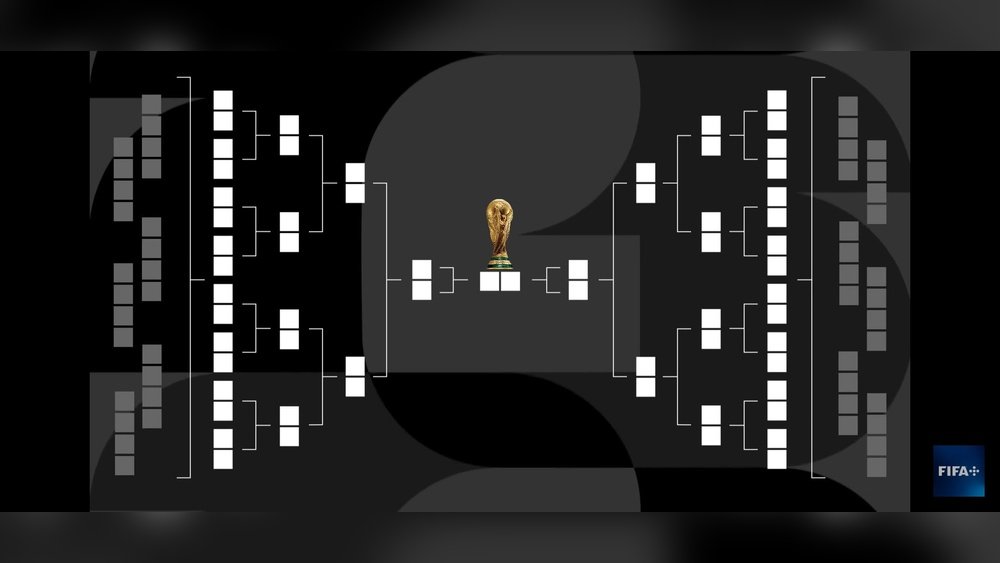
Are you curious about how the 2026 FIFA World Cup will unfold? This tournament is set to be unlike any before it, with a brand-new format that will change the way teams compete and advance.
Whether you’re a die-hard fan or just getting into soccer, understanding the new structure will give you a front-row seat to all the action. You’ll discover exactly how the expanded tournament works, how many teams will play, and what it means for your favorite countries.
Keep reading to get the full scoop on the 2026 FIFA World Cup format—because this is one soccer event you won’t want to miss!
Tournament Hosts
The 2026 FIFA World Cup will be unique due to its three host countries. The United States, Canada, and Mexico will jointly organize the tournament. This collaboration marks the first time three nations host the World Cup together.
Each host country will have cities where matches take place. This spread allows fans to experience the tournament in diverse locations across North America. The hosts also get automatic qualification into the tournament, guaranteeing their spots in the group stage.
United States
The United States will host the majority of the matches. Several cities will serve as venues, including major ones like New York, Los Angeles, and Dallas. These cities have large stadiums and strong fan bases. The US aims to provide top facilities and a vibrant atmosphere.
Canada
Canada will host matches in multiple cities such as Toronto and Vancouver. These cities have modern stadiums and passionate supporters. Hosting World Cup games will boost soccer’s popularity in Canada. It offers fans the chance to watch top teams live.
Mexico
Mexico will hold games in cities like Mexico City and Guadalajara. These locations have historic stadiums with great atmospheres. Mexico has a rich soccer tradition. Hosting World Cup matches will excite local fans and visitors alike.

Credit: en.wikipedia.org
Expanded Team Format
The 2026 FIFA World Cup will showcase a new Expanded Team Format. This format increases the number of participating teams from 32 to 48. It aims to include more nations and bring fresh excitement to the tournament. The change also means a new way to organize the group and knockout stages.
Group Stage Structure
The tournament will feature 16 groups, each with three teams. Every team plays two matches in this stage. The top two teams from each group will move on to the knockout round. This setup reduces the number of matches per team but keeps the competition intense. It also allows more countries to participate on the world stage.
Progression To Knockout Rounds
After the group stage, 32 teams will enter the knockout phase. The knockout stage will follow a single-elimination format. Teams will compete in one-off matches to advance. This creates high stakes and thrilling moments for fans. The knockout rounds will include the round of 32, round of 16, quarterfinals, semifinals, and the final match.
Host Nations And Group Placement
The 2026 World Cup will be co-hosted by the United States, Canada, and Mexico. Each host country will be assigned to a specific group. This guarantees their participation in the group stage without going through qualifiers. The hosts will help spread matches across North America and boost local fan engagement. Their placement also aims to balance competition across groups.
Group Stage Setup
The 2026 FIFA World Cup group stage features 48 teams divided into 16 groups of three. The top two teams from each group advance, along with the eight best third-place teams. Hosts United States, Canada, and Mexico are automatically placed in specific groups.
The 2026 FIFA World Cup introduces a new group stage format. This change aims to include more teams and increase competition. The tournament will feature 48 teams divided into groups.
Each group will have three teams. This is different from the previous format of four teams per group. The smaller groups mean fewer matches per team in this stage.
Group Stage Format Details
There will be 16 groups in total. Each group will contain exactly three teams. Every team plays two matches in the group stage.
The top two teams from each group advance to the knockout rounds. This increases the total number of teams moving forward to 32. It keeps the excitement high for more countries.
Match Scheduling And Host Nations
The tournament will be hosted by the United States, Canada, and Mexico. These countries will have their teams placed in separate groups automatically. This ensures they play in front of their home fans.
Matches will be spread across multiple cities in the three countries. The schedule aims to balance rest days and travel time for teams. This helps maintain fair play and player fitness.
Advancement Rules And Wildcard Teams
The top two teams in each group qualify directly for the knockout stage. In addition, the eight best third-place teams will also advance. This wildcard system gives more teams a chance to continue.
Teams will be ranked by points, goal difference, and goals scored. These criteria decide which third-place teams move on. It adds a layer of strategy to every group match.
Advancement Criteria
The advancement criteria for the 2026 FIFA World Cup define how teams move from the group stage to the knockout rounds. This system ensures fair competition and excitement throughout the tournament. With 48 teams competing, the format introduces new ways to qualify for the next phase.
Understanding these criteria helps fans follow their favorite teams closely. It also highlights the importance of each match in the group stage. Teams must perform well to secure a spot in the knockout rounds.
Group Stage Progression
There will be 16 groups with three teams each. The top two teams from every group will advance automatically. This means 32 teams will move forward to the knockout stage. Teams earn points by winning or drawing their matches. The highest points determine the group rankings.
Wildcard Teams
Besides the top two in each group, eight best third-place teams will also advance. These wildcard teams fill the remaining spots in the knockout stage. Their selection depends on their points and goal difference. This rule keeps more teams competitive until the last group game.
Knockout Stage Format
The knockout stage will start with 48 teams. Matches are direct eliminations. Losing teams leave the tournament immediately. Winners move to the next round, aiming for the final. This stage creates high tension and thrilling matches.
Hosts’ Automatic Placement
The United States, Canada, and Mexico will host the tournament. These three countries automatically qualify. Each host nation will be placed in a predetermined group. This setup helps balance the competition and maintain local interest.
Competitive Balance Rules
To avoid early clashes between top teams, FIFA designed specific pathways. This setup separates the highest-ranked non-host teams. It ensures they do not meet before the later rounds. This rule aims for an exciting and balanced tournament.
Wildcard Spots
The 2026 FIFA World Cup introduces a new format with 48 teams. This expansion brings fresh chances for many nations. One important feature is the inclusion of wildcard spots. These spots allow some third-place teams to advance further in the tournament. Wildcard spots add excitement and keep more teams in the competition longer.
How Wildcard Spots Work
The tournament has 16 groups of three teams each. The top two teams from each group qualify automatically. Alongside them, the eight best third-place teams also move to the knockout stage. This creates 32 teams for the next round. The wildcard spots reward strong teams that narrowly missed the top two.
Criteria For Selecting Wildcard Teams
FIFA uses points first to rank third-place teams. Then goal difference and goals scored come into play. Fair play and drawing of lots are last options. This system ensures the most competitive teams advance. It keeps the tournament fair and balanced.
Impact On The Knockout Stage
Wildcard teams join the 32-team knockout bracket. They face group winners or runners-up from other groups. This format increases the number of thrilling matches. It also keeps more fans engaged throughout the tournament. The wildcard spots make the knockout stage more unpredictable.
Knockout Stage Structure
The knockout stage of the 2026 FIFA World Cup includes 32 teams advancing after the group phase. Top two teams from each group qualify, plus the eight best third-placed teams. Matches follow a single-elimination format, leading to the final.
The knockout stage is the most exciting part of the 2026 FIFA World Cup. It follows the group stage and decides the winner of the tournament. This phase uses a single-elimination format. Teams face off in direct matches, and the loser leaves the competition.
In 2026, the knockout stage will include 32 teams. This is an increase from previous tournaments. The top two teams from each group advance automatically. In addition, the eight best third-place teams also qualify. This creates more opportunities for teams to continue.
Round Of 32
The knockout stage starts with the Round of 32. Each match is a must-win for the teams. The winners move on to the next round. The losers exit the tournament.
Matches are played as one-off games. If tied after regular time, extra time is played. If still tied, the game goes to a penalty shootout. This method ensures a clear winner in every match.
Progression To Later Rounds
The 16 winners from the Round of 32 advance to the Round of 16. This round follows the same rules. Winners proceed to the quarterfinals. Then, the semifinals decide the two teams for the final match.
The losers of the semifinals play a third-place match. This gives them a chance to win a bronze medal. Each stage increases the stakes and excitement.
Host Nations’ Placement
The 2026 World Cup will be hosted by the United States, Canada, and Mexico. These three hosts are placed in specific groups before the tournament. This placement helps balance the competition.
It also spreads out the top teams. This way, strong teams avoid meeting too early in the knockout rounds. The structure aims for fair and thrilling matches throughout the tournament.
Host Nation Placement
The 2026 FIFA World Cup will be unique with three host nations: the United States, Canada, and Mexico. Each host country automatically secures a spot in the tournament. This arrangement affects how the teams are placed into groups for the competition.
Host nation placement ensures these countries play in separate groups. This helps spread out the excitement and allows fans across all host cities to watch their team compete at home. It also balances the tournament by preventing the hosts from facing each other too early.
Automatic Qualification For Hosts
The United States, Canada, and Mexico do not need to qualify. They get direct entry into the World Cup. This saves them from the pressure of qualification matches. It also guarantees home fans will see their teams in action.
Separate Group Assignments
Each host nation is placed in different groups. This means no two host countries face off in the group stage. It allows for more diverse matchups and spreads the tournament’s popularity across the three countries.
Competitive Balance And Fairness
FIFA creates pathways so top teams avoid early clashes. Hosts are placed to maintain fairness in the draw. This setup helps keep the tournament competitive and exciting for all fans worldwide.

Credit: www.researchgate.net
Competitive Balance Measures
The 2026 FIFA World Cup introduces new measures to ensure competitive balance across the tournament. These steps aim to keep matches exciting and fair for all teams. By carefully designing the format, FIFA wants to avoid early clashes between the strongest teams.
Competitive balance helps maintain interest throughout the event. It also gives smaller teams a better chance to advance further. The format includes rules to separate top-ranked teams and create a fair pathway to the final stages.
Group Stage Seeding
Teams are seeded based on their world rankings. The three host nations—United States, Canada, and Mexico—are placed in separate groups. This prevents them from facing each other early. Other top teams are spread out to avoid strong matchups in the first round.
Advancement Rules
The top two teams from each group automatically move to the knockout stage. Additionally, the eight best third-place teams across all groups also qualify. This rule keeps more teams in contention for longer. It raises the stakes and encourages competitive matches in the group phase.
Knockout Stage Pathways
FIFA created specific pathways to the semifinals. This structure separates the highest-ranked non-host teams. It reduces the chances of early eliminations for top contenders. The goal is to have the strongest teams meeting in later rounds, enhancing the quality of the final matches.
Seeding And Draw Process
The seeding and draw process is a vital step in the 2026 FIFA World Cup. It determines how teams are placed into groups for the tournament. This process shapes the competition and can affect each team’s path to the final. Understanding this system helps fans follow the tournament better.
Seeding Criteria For The 2026 World Cup
Teams are seeded based on their FIFA rankings and past performances. The three host countries—United States, Canada, and Mexico—automatically get top seed status. This ensures they play in separate groups. Other teams are placed into pots according to their ranking points.
Draw Procedure Explained
The draw assigns teams from each pot into different groups. It follows strict rules to avoid teams from the same continent meeting early. The process is done live and is watched by millions worldwide. This adds excitement and fairness to the tournament setup.
Impact Of The Draw On The Tournament
The draw affects the balance of competition in each group. Strong teams are spread out to keep matches interesting. It also creates potential rivalries and drama. Teams must prepare for various opponents depending on their group.
Qualification Pathways
The qualification pathways for the 2026 FIFA World Cup define how teams earn their spots. The tournament expands to 48 teams, so more nations have a chance to qualify. Each football confederation follows a unique process. These processes ensure fair representation worldwide.
Host nations—United States, Canada, and Mexico—receive automatic qualification. Other teams must compete in their regional qualifiers. The qualification matches begin years before the World Cup. This stage tests teams’ skill and consistency.
Qualification In Concacaf
CONCACAF covers North, Central America, and the Caribbean. With three host countries already qualified, fewer spots remain. Other CONCACAF teams compete in group stages and knockout rounds. The top teams earn direct World Cup berths. A playoff may determine the last qualifiers.
European Qualification Process
UEFA has the most teams competing for World Cup places. Teams are divided into groups to play home and away matches. Group winners qualify directly for the World Cup. Runners-up enter playoff rounds for remaining spots. UEFA also holds a playoff tournament to finalize four teams.
Qualification In Africa
Africa’s confederation, CAF, has many strong teams. They play in several rounds of home and away matches. The final round determines the teams that qualify. CAF’s spots in the World Cup have increased due to expansion. This gives more African nations a chance to compete.
Asian Qualification Pathway
Asia’s AFC runs multiple qualification rounds. Early stages reduce the number of competing teams. Later rounds form groups for round-robin matches. Top teams from these groups qualify directly. Additional teams may enter intercontinental playoffs.
South American Qualification
CONMEBOL uses a league format with all teams playing each other. The top teams secure direct World Cup entry. The next best team enters intercontinental playoffs. This format tests consistency across many matches.
Oceania’s Route To The World Cup
OFC teams face tough competition with fewer direct spots. They play regional qualifiers first. The winner advances to an intercontinental playoff. This gives Oceania a chance to reach the World Cup finals.
Intercontinental Playoffs
Some teams earn the right to compete in intercontinental playoffs. These playoffs decide the final World Cup spots. Teams from different confederations face off in these matches. The winners join the main tournament, completing the lineup.
Uefa Playoff Details
The UEFA playoff is a key part of the 2026 FIFA World Cup qualification. Europe has many strong teams competing for limited spots. The playoff decides which four teams will get the final places in the World Cup from UEFA.
This playoff system creates high stakes and exciting matches. Teams that just missed direct qualification get another chance. The format is designed to be fair and competitive, keeping fans engaged until the last moment.
Teams Involved In Uefa Playoffs
The playoff includes 12 teams from Europe. These are the group runners-up from the UEFA qualifiers. In addition, two teams with the best records from the UEFA Nations League join. This mix ensures strong competition for the final spots.
Playoff Structure And Matches
The 12 teams are divided into three paths. Each path has four teams. They play knockout matches in single-leg semifinals and finals. The winner of each path earns a World Cup spot. This setup keeps the playoff short and intense.
Match Venues And Dates
Matches are hosted by one of the teams in each tie. Hosting rights go to the higher-ranked team. Games take place in March 2026. This timing allows teams to prepare well before the World Cup starts.
Importance Of Uefa Playoffs
The playoff adds drama to European qualification. It gives teams a second chance to reach the World Cup. Fans get thrilling knockout games to watch. The system also balances fairness and excitement in the race for the finals.
Match Schedule Highlights
The match schedule for the 2026 FIFA World Cup brings exciting changes. The expanded format will feature 48 teams. This means more matches and more action for fans worldwide. The tournament will last longer, offering a packed calendar of football. Fans can expect a thrilling mix of group and knockout games. The schedule balances rest days and intense competition. It promises a great experience for players and viewers alike.
Group Stage Schedule
The group stage will have 16 groups of three teams each. Each team will play two matches in this stage. The top two teams from every group will move forward. Matches will be held across three host countries: the United States, Canada, and Mexico. This spread allows fans to enjoy games in different cities. The group stage will last about two weeks. It sets the tone for the knockout rounds ahead.
Knockout Stage Timing
The knockout stage begins after the group phase. It includes the round of 32, round of 16, quarter-finals, semi-finals, and the final. The knockout games are single elimination matches. Losing teams exit the tournament immediately. The schedule spaces these matches to allow player recovery. The final will take place in a major stadium in the United States. This stage will deliver high tension and unforgettable moments.
Rest Days And Match Frequency
Rest days are built into the schedule to aid player recovery. Teams get enough time between matches to perform at their best. The tournament will feature more frequent match days than previous editions. This keeps the excitement steady throughout the event. Fans will see at least one or two matches almost every day. This setup helps maintain global interest and viewership.
Key Venues And Cities
The 2026 FIFA World Cup will take place across multiple key venues and cities. The tournament is unique because it will be hosted by three countries: the United States, Canada, and Mexico. Each nation will showcase its top stadiums, offering fans a chance to experience diverse cultures and vibrant atmospheres.
These host cities are spread widely across North America. This setup allows more fans to enjoy the matches live. The selection of venues also reflects stadiums that meet FIFA’s highest standards. It ensures players compete in world-class facilities with excellent capacity and infrastructure.
United States Key Venues
The United States will host the majority of matches with 16 venues. Cities like New York, Los Angeles, and Dallas will feature prominently. These stadiums are known for their large seating capacity and modern amenities. Expect iconic sites such as MetLife Stadium and the Rose Bowl to be part of the tournament.
Canada Key Venues
Canada will host matches in cities like Toronto, Vancouver, and Montreal. Each city offers a unique fan experience with passionate local support. The stadiums here are equipped for international events, ensuring smooth organization and excellent viewing conditions. Canada’s role highlights its growing soccer culture.
Mexico Key Venues
Mexico will contribute with venues in Mexico City, Guadalajara, and Monterrey. These cities bring rich football history and vibrant fan bases. The Estadio Azteca in Mexico City is a standout, famous for hosting past World Cup finals. Mexican venues promise exciting atmospheres and strong home support.
Credit: www.fox29.com
Broadcast And Media Coverage
The 2026 FIFA World Cup promises a new era in broadcast and media coverage. The event will reach billions worldwide through multiple platforms. Advances in technology will provide clearer images and richer sound. Fans will enjoy live matches, highlights, and expert analysis easily.
Coverage will be available on TV, online streaming, and mobile apps. Broadcasters will use 4K and even 8K resolution to deliver stunning visuals. Virtual reality and augmented reality features may enhance viewer experience. Social media will play a big role in sharing instant updates and behind-the-scenes content.
Television Broadcasts
Major sports networks across North America will cover the tournament. In the United States, expect comprehensive coverage from channels like FOX Sports and NBC Sports. Canada’s broadcast will be handled by networks such as TSN and Sportsnet. Mexico’s matches will air on Televisa and TV Azteca. All broadcasters will offer pre-game shows and expert commentary.
Online Streaming Platforms
Streaming services will expand access to the World Cup globally. FIFA’s own platform, FIFA+, will stream live matches and replays. Other platforms like YouTube and ESPN+ will also provide live coverage. Fans can watch games on smartphones, tablets, or computers. This flexibility makes it easier to follow the action anywhere.
Social Media And Digital Content
Social media channels will offer real-time updates and highlights. Facebook, Twitter, and Instagram will share clips and player interviews. Fans will engage with content through comments and polls. Digital content will include match previews, tactical analysis, and fan reactions. This keeps the audience connected beyond the matches.
Fan Experience And Accessibility
The 2026 FIFA World Cup will offer a fresh fan experience and improved accessibility. Hosting matches across the United States, Canada, and Mexico means diverse cultures and venues. Fans can enjoy the event in many cities with unique local flavors.
Accessibility is a key focus. Organizers aim to make stadiums and surrounding areas easy to reach for everyone. Public transport and parking options will support smooth travel. This makes attending matches simpler for local and international visitors alike.
Multiple Host Countries Enhance Fan Experience
Three countries hosting means more fans can attend nearby games. Each host city will showcase its culture and hospitality. Fans get the chance to explore new places during the tournament. This variety adds to the excitement of the World Cup journey.
Improved Stadium Facilities For All Fans
Stadiums will offer modern amenities and comfort. Seating will accommodate fans with disabilities and families. Clear signage and easy navigation help all visitors. Food and merchandise options will reflect local tastes and global favorites.
Transportation And Connectivity Solutions
Major cities will enhance public transit for the event. Shuttle services and ride-sharing options will reduce travel stress. Airports and train stations will prepare for increased passenger flow. Digital apps will assist fans with real-time travel updates.
Inclusive Ticketing And Viewing Options
Ticketing will be accessible online with clear instructions. Affordable pricing aims to welcome diverse fan groups. Fans unable to attend can watch matches on multiple platforms. Official broadcasts will provide wide coverage and commentary in various languages.
Frequently Asked Questions
What Is The Format For The World Cup 2026?
The 2026 World Cup features 48 teams in 16 groups of three. Top two teams and eight best third-placed teams advance to knockouts. Hosts USA, Canada, and Mexico qualify automatically. The knockout stage follows a single-elimination format leading to the final.
How Will The Draw Work For The 2026 World Cup?
The 2026 World Cup draw places 48 teams into 12 groups of four. Hosts USA, Canada, and Mexico join predetermined groups. Top seeds avoid early matchups. Group winners and runners-up advance, plus the eight best third-place teams move to knockouts.
The draw ensures balanced competition.
How Many Teams Can Go To The World Cup In 2026?
The 2026 World Cup will feature 48 teams, expanded from 32 in previous tournaments. This allows more nations to participate.
What Is The Format For The Euro 2026?
Euro 2026 features 48 teams in 12 groups of four. Top two teams and best eight third-placed teams advance to knockouts. Hosts USA, Canada, and Mexico qualify automatically and are placed in separate groups to balance competition.
What Is The New Format Of The 2026 Fifa World Cup?
The 2026 World Cup will have 48 teams, divided into 16 groups of three teams each.
How Many Teams Advance From Each Group In 2026?
The top two teams from each group will move on to the knockout stage.
Will There Be A Knockout Round In The 2026 World Cup?
Yes, 32 teams will compete in the knockout stage after the group matches.
How Are The Host Countries Involved In The 2026 World Cup?
The USA, Canada, and Mexico will host matches and have automatic spots in set groups.
How Does The 2026 Format Affect The Total Number Of Matches?
The tournament will have more matches due to the increased number of teams and groups.
Conclusion
The 2026 FIFA World Cup will bring fresh excitement with its new format. Thirty-two groups will compete, increasing the number of matches. Top two teams from each group advance directly. Eight best third-place teams also move to the knockout stage.
Hosting across the United States, Canada, and Mexico adds unique energy. This format aims for fair competition and thrilling games. Fans worldwide can expect more action and surprises. The expanded structure promises a memorable tournament for all football lovers. Stay ready to enjoy football’s biggest event like never before.