Are you unsure about what exactly counts as entertainment expenses and how they impact your business or personal finances? You’re not alone.
Many people find this topic confusing because entertainment expenses cover a wide range of activities—from meals with clients to tickets for sporting events. Understanding what qualifies as an entertainment expense can help you manage your budget better and even save on taxes.
You’ll discover clear examples, key rules, and practical tips that make it easy to identify and handle entertainment expenses confidently. Keep reading to unlock the insights that could make a real difference for your financial planning.
Definition Of Entertainment Expenses
Understanding entertainment expenses helps businesses manage their budgets. These expenses cover costs related to activities that entertain clients, employees, or partners. They often include meals, events, and recreational activities. Defining these expenses clearly is important for accounting and tax purposes.
What Are Entertainment Expenses?
Entertainment expenses are costs businesses pay for activities that provide fun or relaxation. This includes meals, shows, sports events, and parties. The goal is usually to build or maintain relationships with clients or staff.
Examples Of Entertainment Expenses
Common examples include tickets to concerts, sports games, or theater shows. Paying for meals or drinks during business meetings also counts. Renting spaces like hospitality suites or private boxes falls under entertainment expenses.
Why Businesses Use Entertainment Expenses
Companies spend on entertainment to create a friendly atmosphere. It helps in strengthening business bonds and rewarding employees. These expenses also support networking with clients and partners.
Entertainment Expenses And Tax Rules
Tax authorities often have specific rules about what counts as entertainment expenses. Businesses must keep clear records to claim deductions. Understanding these rules avoids problems during tax audits.
Common Examples
Entertainment expenses cover costs businesses pay for events and activities that build relationships. These expenses often involve food, drinks, and fun activities for clients, staff, or partners. Understanding common examples helps manage budgets and tax records accurately.
Food And Beverage Costs
Meals and drinks served during business meetings or events count as entertainment expenses. This includes lunches, dinners, and snacks provided to clients or employees. The cost of ordering food or beverages at restaurants or catered events also fits here.
Event Tickets
Tickets to concerts, sports games, theater shows, or other performances are typical entertainment expenses. Buying these tickets for clients or staff is a way to offer hospitality and build good relations. The ticket cost, including any service fees, applies to this category.
Venue Rentals
Renting spaces for parties or business gatherings counts as an entertainment expense. This includes banquet halls, private rooms, or hospitality suites. Businesses pay for the location to host events that entertain or impress clients.
Recreational Activities
Costs for recreational activities like golf outings, amusement parks, or team-building events fall under entertainment expenses. These activities provide fun and relaxation while strengthening business relationships. Any fees or rentals involved are included.
Tips And Gratuities
Tips given during meals or events are part of entertainment expenses. Gratuities for servers, bartenders, or event staff count toward the total cost of entertaining clients or employees. These small amounts add up and should be tracked carefully.
Meal Costs Explained
Meal costs are a common part of entertainment expenses. They include the price of food and drinks served during business meetings or events. These costs often arise when hosting clients, partners, or employees.
Understanding what meal costs cover helps in managing business budgets. It also clarifies what expenses can be claimed or deducted for tax purposes.
What Counts As A Meal Cost?
Meal costs cover food and beverages purchased for business purposes. This includes meals at restaurants, catered events, or even snacks and drinks bought for meetings. Both alcoholic and non-alcoholic drinks can be included if served during the meal.
When Are Meal Costs Considered Entertainment?
Meal costs become entertainment expenses when they are part of a business-related event. For example, a lunch with a client or a dinner during a company celebration qualifies. These meals aim to build or maintain business relationships.
Meal Costs And Tax Deductions
Many tax authorities allow some meal costs as deductible expenses. The meals must relate directly to business activities. Personal meals or those not linked to work generally do not qualify. Keeping detailed records helps ensure proper claims.
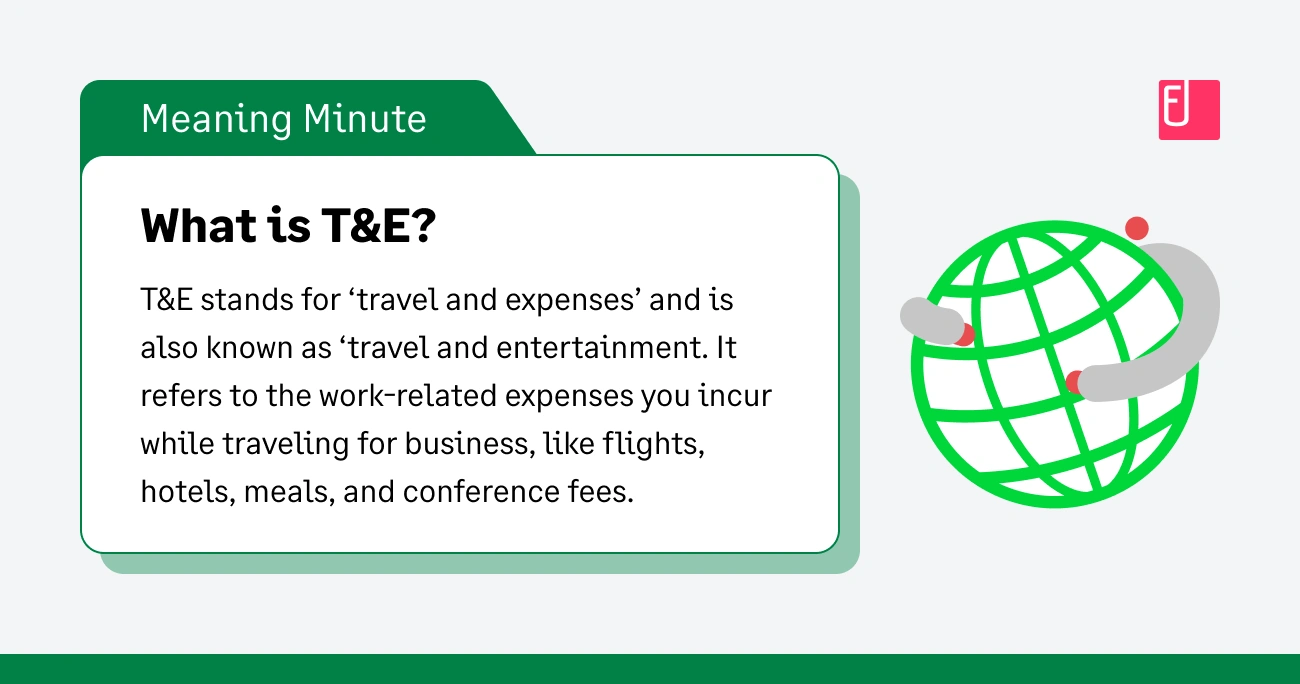
Credit: www.fylehq.com
Recreation And Amusement Costs
Entertainment expenses cover costs for activities like meals, events, or recreational outings. These include tickets, food, drinks, and venue rentals. Businesses often use them to entertain clients or staff during work-related gatherings.
What Are Recreation And Amusement Costs?
Recreation and amusement costs include expenses for activities meant to entertain or relax. These costs often arise from outings, events, or fun activities for employees or clients. They cover tickets, entry fees, and sometimes rentals for entertainment spaces.
Businesses spend on these costs to build relationships and boost morale. They can include sports events, concerts, or even visits to amusement parks. The goal is to offer enjoyable experiences that help strengthen connections.
Examples Of Recreation And Amusement Expenses
Common examples include tickets to concerts, theater shows, and sporting events. Costs for renting private boxes or hospitality suites at venues also count. Expenses for recreational activities like golf outings or team-building retreats qualify too.
These costs may also cover admission fees for museums, zoos, or amusement parks. Any expense linked to fun and entertainment for business purposes falls under this category.
How Recreation And Amusement Costs Affect Your Business
These expenses can improve employee satisfaction and client relationships. Spending on recreation often leads to better teamwork and loyalty. Properly tracking these costs helps with budgeting and tax reporting.
Understanding what qualifies ensures businesses claim the right deductions. It also avoids confusion during audits or financial reviews.
Business Hospitality
Business hospitality plays a key role in building strong professional relationships. It involves offering food, drinks, or entertainment to clients, partners, or employees. These activities help create a friendly atmosphere and promote business growth.
Such expenses often include meals, event tickets, or hosting special gatherings. They are a common part of many companies’ budgets and are usually classified as entertainment expenses for accounting and tax purposes.
What Counts As Business Hospitality?
Business hospitality includes any event or activity where a business hosts others. This covers meals with clients, tickets to shows, or entry to sports events. It also involves renting spaces for business meetings or celebrations.
Purpose Of Business Hospitality
The goal is to strengthen business ties and encourage future collaboration. Hospitality creates a relaxed setting to discuss ideas and negotiate deals. It also shows appreciation to clients and employees for their support.
Recording Business Hospitality Expenses
Keep clear records of all hospitality expenses. Note the date, purpose, and people involved in the event. Proper documentation helps with tax deductions and financial tracking.
Tax Deductibility Rules
Tax deductibility rules for entertainment expenses clarify which costs businesses can subtract from their taxable income. These rules help businesses understand what qualifies as a deductible expense under tax laws. Proper knowledge of these rules ensures compliance and can save money on taxes.
Entertainment expenses must meet specific criteria to be deductible. The expense should be directly related to the active conduct of business or associated with a clear business purpose. Personal entertainment costs are generally not deductible.
What Entertainment Expenses Are Deductible?
Only expenses that promote or maintain business relationships qualify. Meals with clients or employees during meetings often count. Tickets to events for business discussions may qualify. Costs for renting entertainment venues may also be deductible.
Limits On Meal And Entertainment Deductions
The IRS often limits deductions to 50% of meal costs. Entertainment expenses themselves are usually not deductible unless combined with meals. Clear records and receipts are necessary to claim deductions. Expenses must be reasonable and not lavish or extravagant.
Documentation Requirements For Deductions
Keep detailed records of each expense. Note the amount, date, location, and business purpose. Record names of people entertained and their business relationship. Proper documentation supports deduction claims during audits.
Changes In Entertainment Expense Rules
Recent tax reforms have reduced deductions for entertainment. Pure entertainment costs, like event tickets without business discussion, are no longer deductible. Meals remain partially deductible if related to business. Stay updated with tax authority guidelines to ensure compliance.
Irs Guidelines
The IRS sets clear rules about entertainment expenses. These rules help businesses know what costs they can deduct on taxes. Understanding these guidelines avoids mistakes and audits.
Businesses must follow IRS rules to claim entertainment expenses correctly. The IRS defines what counts as entertainment and how much you can deduct.
The IRS defines entertainment expenses as costs for activities that provide amusement or recreation. This includes meals, shows, sporting events, and other entertainment. Expenses must relate to your business to qualify.
Deductibility Rules
The IRS allows only certain entertainment expenses to be deductible. Generally, 50% of meal costs are deductible if related to business. Pure entertainment costs, like tickets to a game, are not deductible after recent tax law changes.
Record-keeping Requirements
The IRS requires detailed records for entertainment expenses. Keep receipts, dates, places, and business purpose notes. Documentation must prove the expense was necessary for business.
Meals Vs. Entertainment
Meals provided during business meetings are partially deductible. Entertainment activities alone usually are not deductible. The IRS separates these two types of expenses for tax purposes.
Cra Rules In Canada
The Canada Revenue Agency (CRA) sets specific rules for claiming entertainment expenses. Businesses must follow these rules carefully to avoid issues during audits. Understanding these rules helps in proper tax reporting and maximizing allowable deductions.
Entertainment expenses include costs related to meals, events, and activities meant to entertain clients or employees. The CRA allows deductions only if expenses meet certain conditions. These conditions ensure expenses are directly connected to business activities.
What Expenses Qualify As Entertainment?
The CRA defines entertainment expenses as those for food, drink, or recreation. Examples include meals with clients, tickets to shows, or renting event spaces. Only 50% of most meal and entertainment expenses are deductible. Expenses must be reasonable and have a clear business purpose.
Record Keeping Requirements
Keeping detailed records is essential for CRA compliance. Receipts must show the date, amount, and reason for the expense. Names of people entertained and the business relationship should be noted. Without proper records, the CRA may deny the deduction.
Limits On Deductibility
The CRA limits entertainment expense deductions to 50% of the total cost. This rule applies to most meals and events. Some exceptions exist for specific employee events. Non-deductible expenses include personal entertainment and lavish parties.
Claiming full cost of entertainment is a frequent error. Mixing personal and business expenses can cause problems. Not keeping receipts or vague explanations often lead to denial. Following CRA guidelines strictly helps prevent audits.
Hmrc Allowable Expenses
HMRC sets clear rules on what counts as allowable entertainment expenses. These rules help businesses claim legitimate costs without issues.
Entertainment expenses must relate directly to business activities. Personal or lavish spending does not qualify for tax relief.
Definition Of Business Entertainment
Business entertainment means hospitality provided for clients, customers, or employees. It includes meals, events, and outings linked to business purposes.
Examples are meals during meetings, tickets to shows, or sports events paid by the company.
Types Of Allowable Expenses
HMRC allows costs for food, drink, and accommodation linked to business events. Tickets to concerts and sporting events also count if for business use.
Using business assets like yachts or aircraft for client entertainment is included too.
Restrictions On Claims
Only expenses for genuine business purposes qualify. Personal entertainment or expenses for family members do not qualify.
HMRC does not allow claims for lavish or excessive spending. Records must prove the business reason behind the expense.
Record-keeping Requirements
Keep detailed records of entertainment costs and the business reason. Receipts, guest lists, and event details help support claims.
Good records reduce the risk of disputes during HMRC checks or audits.
%20-%20Main.webp)
Credit: www.fylehq.com
Non-deductible Expenses
Non-deductible expenses are costs that businesses cannot subtract from their taxable income. These expenses reduce the benefit of claiming entertainment costs. Understanding which expenses are non-deductible helps avoid mistakes on tax returns.
The tax rules often exclude certain entertainment costs from deductions. This ensures that only reasonable business-related expenses lower taxable income. Knowing these limits is key for accurate bookkeeping and tax filing.
Costs Related To Recreational Activities
Expenses for activities mainly meant for fun or amusement are usually non-deductible. This includes tickets for sports games, concerts, and theater shows. Such costs do not qualify unless they have a clear business purpose.
Expenses For Family Members And Friends
Entertainment costs for family or friends who are not business associates cannot be deducted. The IRS requires that entertainment benefits the business directly. Personal entertainment expenses are excluded from tax deductions.
Club Dues And Membership Fees
Fees for clubs, gyms, or social organizations are typically non-deductible. This applies even if the club is used for business networking. The IRS views these as personal expenses, not business entertainment.
Costs Without Proper Documentation
Lack of receipts or records can make an expense non-deductible. Businesses must keep detailed proofs to support entertainment deductions. Proper documentation includes date, location, attendees, and business purpose.
Record-keeping Tips
Keeping clear records of entertainment expenses is important for accurate bookkeeping and tax reporting. Proper documentation helps prove the business purpose of each expense. It also simplifies the process of filing tax returns and claiming deductions.
Organized records reduce errors and make audits easier. Following simple record-keeping steps can save time and avoid confusion later on.
Keep Detailed Receipts
Always collect receipts for every entertainment expense. Receipts should show the date, amount, and place of purchase. Without receipts, claiming expenses becomes difficult.
Note The Business Purpose
Write down why the expense was made. Include details like the client’s name or event attended. This information supports the expense as business-related.
Use Separate Accounts
Track entertainment expenses in a separate account or category. This makes it easier to review and report these costs. Avoid mixing personal and business expenses.
Record Dates And Participants
Keep a log of the date and people involved in the entertainment. This helps justify the expense and shows it is work-related. Note if the event was for clients, staff, or partners.
Store Records Securely
Save all receipts and notes in a safe place. Use digital tools or apps to scan and organize documents. Back up records regularly to avoid loss.
Entertainment Vs. Meal Expenses
Understanding the difference between entertainment and meal expenses is important for business accounting and tax purposes. Both types of expenses involve spending on food and activities but serve different roles. Clear knowledge helps in proper reporting and claiming deductions.
Entertainment expenses cover costs for activities that amuse or entertain guests. This includes tickets to sports events, concerts, or theater shows. It also covers renting spaces for events, such as private boxes at stadiums or hospitality suites.
Definition Of Meal Expenses
Meal expenses are costs for food and drinks provided to clients, employees, or business partners. These expenses occur during business meetings, travel, or conferences. Meals must be directly related to business activities to qualify.
Key Differences Between Entertainment And Meal Expenses
Entertainment expenses focus on recreation and social events. Meal expenses strictly cover food and beverages. Entertainment often includes admission fees and event costs. Meals do not include entry to events or shows.
Tax Implications For Entertainment Vs. Meal Expenses
Tax rules treat these expenses differently. Meal expenses are usually partially deductible. Entertainment expenses face stricter limits or may not be deductible. Accurate categorization helps avoid tax issues and audit risks.
Common Mistakes To Avoid
Understanding common mistakes helps protect your business from financial and legal trouble. Entertainment expenses often confuse many business owners. Avoiding errors ensures proper use and tax compliance. These mistakes can lead to denied deductions or audits.
Incorrect Categorization Of Expenses
Many mix up entertainment expenses with meals or travel costs. This leads to wrong accounting entries. Each category has specific rules and limits. Proper classification keeps your records accurate and helps with tax claims.
Failing To Keep Detailed Records
Not keeping receipts or notes about the event is a frequent error. Documentation is key for proving business purpose. Always record the date, place, attendees, and reason for the expense. Without details, expenses may be disallowed by tax authorities.
Claiming Personal Or Non-business Expenses
Mixing personal outings with business entertainment can cause problems. Only expenses directly related to business activities qualify. Personal costs or family events should never be claimed. Separating these avoids penalties and audits.
Ignoring Tax Rules And Limits
Each tax jurisdiction sets limits on entertainment expense deductions. Exceeding these limits leads to denied claims or fines. Study rules carefully and apply caps as required. Staying informed protects your finances.
Overlooking The Business Purpose
Expenses must have a clear business reason. Simply entertaining friends or employees without business discussion does not qualify. The event should aim to build relationships or generate income. Clarify the purpose before claiming.

Credit: my-cpe.com
Frequently Asked Questions
What Are Examples Of Entertainment Costs?
Entertainment costs include meals, drinks, event tickets, venue rentals, tips, and recreational activities for clients or staff.
What Includes Entertainment Expenses?
Entertainment expenses include costs for meals, drinks, event tickets, venue rentals, and hospitality for clients or staff.
What Entertainment Expenses Are Allowable?
Allowable entertainment expenses include meals, drinks, event tickets, venue rentals, and hospitality for clients or staff. These must relate directly to business activities.
What Is The $2500 Expense Rule?
The $2500 expense rule allows immediate deduction of business property costs under $2,500. It simplifies tax reporting and saves time.
What Are Entertainment Expenses?
Entertainment expenses are costs related to activities for amusement, recreation, or hospitality.
What Examples Count As Entertainment Expenses?
Examples include meals, event tickets, venue rentals, and drinks for clients or staff.
Can Businesses Deduct Entertainment Expenses?
Yes, businesses can deduct some entertainment costs if they meet tax rules and documentation.
Are Meals Part Of Entertainment Expenses?
Meals provided during business events or client meetings often qualify as entertainment expenses.
How Does Irs Define Entertainment Expenses?
The IRS defines them as costs related to recreation, amusement, or hospitality for business.
Conclusion
Entertainment expenses cover costs for food, drinks, and fun activities. They include meals with clients, tickets to events, and party costs. Knowing what qualifies helps manage business budgets well. Keep receipts and records to track these expenses accurately. Understanding limits and rules avoids tax problems later.
These expenses support building good relationships in business. Use this knowledge to handle entertainment costs smartly. Clear records make tax time easier and stress-free. Entertainment expenses play a role in many business activities. Manage them wisely for better financial control.