Choosing the right tennis grip size is one of the simplest changes you can make to instantly improve your game. But how do you know if your grip fits you perfectly?
If it’s too small, you risk discomfort and injury; too big, and you lose control and precision. You might have felt something was off but couldn’t put your finger on it—that’s where the right grip size comes in. In this guide, you’ll learn easy and effective methods to find your ideal grip size, including the popular finger test and ruler method.
By the end, you’ll be confident that your racket feels like an extension of your hand, helping you play stronger, longer, and with more comfort. Ready to unlock your best tennis performance? Let’s dive in.
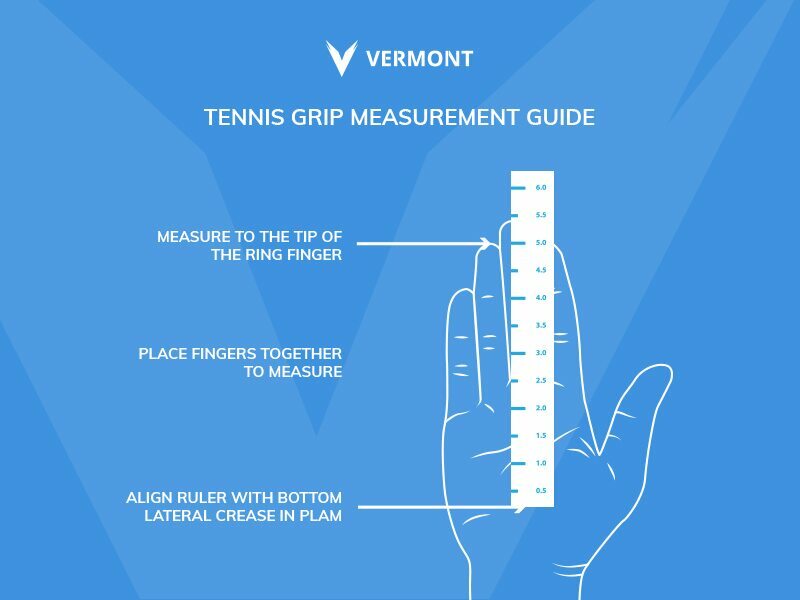
Credit: www.networldsports.co.uk
Grip Size Basics
Choosing the right tennis grip size is key for comfort and control. A grip that fits well helps prevent injuries and improves your game. Understanding the basics of grip size makes picking easier.
Grip size refers to the circumference of the tennis racquet handle. It varies from small to large sizes. Knowing your grip size helps you hold the racquet firmly without strain.
What Is Tennis Grip Size?
Tennis grip size measures the width around the racquet handle. It usually ranges from 4 inches to 4 5/8 inches. Each size suits different hand sizes and shapes.
The correct grip size improves your racquet control and shot accuracy. A grip too small or large causes discomfort and hand pain. It also affects your wrist and elbow health.
Common Grip Size Measurements
Grip sizes use inches or numbers 0 to 5. Size 0 equals 4 inches, size 5 equals 4 5/8 inches. Most adult players use sizes 3 or 4, but this varies.
How To Measure Your Grip Size
Two popular methods find your tennis grip size. The “finger test” checks the space between your fingers and palm. The “ruler test” measures from your palm crease to your ring finger tip.
Why Grip Size Matters
Choosing the right tennis grip size affects your comfort and control. A proper grip size helps prevent hand fatigue and injury. It also improves your swing and shot accuracy.
An incorrect grip size can cause blisters or tennis elbow. Too small a grip makes your hand squeeze too hard. Too large a grip reduces wrist movement and power.
The right grip size lets you play longer without pain. It gives better feel and confidence with every shot.
Impact On Comfort And Performance
The grip size changes how your hand holds the racquet. A good fit feels natural and relaxed. It helps you swing smoothly and hit with more power.
Comfort is key for long matches. A grip that is too tight or loose causes discomfort and distraction. Your focus should stay on the game, not your hand.
Risk Of Injury
Wrong grip sizes increase the chance of injury. Small grips force your hand to overwork. Large grips limit wrist movement, causing strain.
Tennis elbow and tendon pain often come from poor grip size. Using the correct size reduces stress on muscles and joints.
Control And Accuracy
Grip size affects your control over the racquet. A proper fit allows precise wrist and finger movement. This improves shot direction and spin.
Too large or small grips make the racquet feel unstable. This can lead to missed shots and less confidence on the court.
Common Grip Size Ranges
Choosing the right tennis grip size starts with understanding common grip size ranges. Tennis grips come in several standard sizes. Each size fits different hand measurements. Picking the correct size helps improve control and comfort during play.
Grip sizes are measured in inches or millimeters. The size depends on the circumference of the handle. Knowing these ranges makes it easier to select the best grip for your hand.
Standard Grip Sizes In Inches
Tennis grips are often labeled from 4 inches to 4 5/8 inches. The most common sizes include 4, 4 1/8, 4 1/4, 4 3/8, 4 1/2, and 4 5/8 inches. Smaller grips suit players with smaller hands. Larger grips fit players with bigger hands.
Grip Sizes In Millimeters
Grip sizes also come in millimeters, usually ranging from 100 mm to 118 mm. Each size increases by about 4 mm. This system is popular outside the United States. It offers precise measurements for a better fit.
Choosing Between Sizes
Choosing the right grip size means matching it to your hand size. A grip too small can cause your hand to slip. A grip too large may cause discomfort and less control. Testing the grip size helps find the perfect balance.
Finger Test Method
The Finger Test Method offers a simple way to check your tennis grip size. It uses your hand’s natural position to find the right fit. This method helps avoid grips that are too big or too small. It is easy to do without special tools or measuring tapes. Follow these steps to test your grip size accurately.
Handshake Grip Position
Hold the tennis racket handle with your dominant hand. Grip it as if you are about to shake someone’s hand. This position mimics the Continental grip used in tennis. It allows your fingers to wrap naturally around the handle. This grip position is the starting point for the finger test.
Checking Finger Space
Look at the space between your ring finger and the base of your palm. Slide the index finger of your other hand into that gap. The finger should fit comfortably without forcing. If your finger fits too tightly, the grip is too small. If there is a large gap, the grip is too big. The right grip size offers a snug but comfortable fit.
Adjusting For Fit
If your grip feels too tight, try a larger size. If your finger overlaps your palm or your pinky feels cramped, the grip is too small. Adjust until your index finger fits just right in the space. This helps improve control and reduces hand fatigue. A proper grip size supports better swings and prevents injuries.
Ruler Test Method
The Ruler Test Method is a simple and reliable way to find your perfect tennis grip size. This technique uses a ruler to measure your hand, helping you choose a grip that feels comfortable and secure. It requires no special tools or a tennis racquet, making it easy to do at home. Accurate measurement ensures better control and reduces the risk of injury while playing.
Hand Positioning
Start by placing your dominant hand flat on a table. Keep your fingers close together and straight. Your hand should be relaxed but firm. This positioning allows for an accurate measurement from the base of your palm to the tip of your finger.
Measuring From Palm Crease
Find the lowest horizontal crease on your palm. This crease is where your palm meets your wrist. Align the bottom edge of a ruler with this crease. Hold the ruler straight up along your hand, making sure it stays vertical.
Reading The Measurement
Measure from the palm crease to the tip of your ring finger. Note this length in inches or centimeters. This number indicates your grip size. For example, a measurement of 4 3/8 inches means you need a grip size of 4 3/8. Choose the closest grip size available for your tennis racquet.
Measuring Without A Racquet
Finding the right tennis grip size without a racquet is simple and effective. It helps avoid guesswork and ensures a comfortable hold. Use your hand measurements for accuracy. This method works well for beginners and those shopping online.
Using The Finger Test To Measure Grip Size
Hold your dominant hand as if shaking hands with a racquet handle. Check the space between your ring finger and palm. Your index finger should fit snugly in this gap.
- If fingers overlap your palm, the grip is too small.
- If there is a large gap, the grip is too big.
- The correct size lets your fingers touch your palm without crowding.
Measuring Hand Length With A Ruler
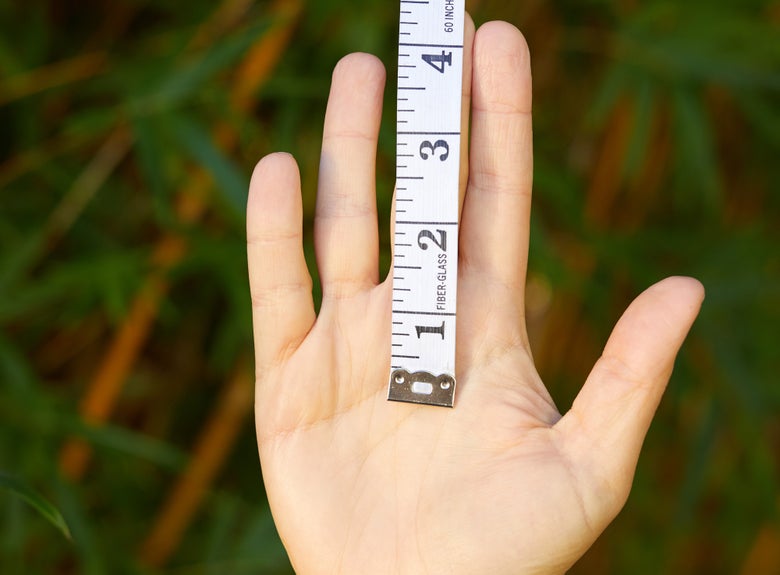
Place your hand flat on a table with fingers together. Find the crease where your palm meets your wrist.
- Align a ruler vertically from this crease to the tip of your ring finger.
- Measure the length in inches or centimeters.
- This measurement matches your ideal grip size.
Using Glove Size As A Guide
Your glove size can indicate your grip size. Check the glove size you normally wear for your dominant hand. This size often corresponds closely to your tennis grip size. Use this as a quick reference if you lack a ruler or racquet.
Using Glove Size For Grip
Using glove size to choose the right tennis grip helps find a comfortable fit. Gloves fit your hand shape and size, so they give a good estimate for grip size. This method is quick and easy, especially for beginners. It avoids guessing and reduces discomfort during play.
How Glove Size Relates To Tennis Grip Size
Glove size measures the circumference of your hand. Tennis grip size measures the handle’s circumference. Both sizes use similar units, usually inches. Knowing your glove size can narrow down your grip options. It helps avoid grips that are too small or too large.
Finding Your Glove Size
Measure around your dominant hand’s palm, below the knuckles. Do not include the thumb in this measurement. Use a soft tape measure or string to wrap around your hand. Compare this length to a glove size chart. The size number usually matches hand circumference in inches.
Matching Glove Size To Tennis Grip Size
Once you have your glove size, pick a grip size close to that number. For example, a glove size 7 means a 4 3/8 inch grip size. Grip sizes usually range from 4 inches to 4 5/8 inches. Choose the grip size one step larger if in doubt. A grip too small strains your hand; too large reduces control.
Credit: www.tennis-warehouse.com
How To Read Grip Size Labels
Understanding grip size labels is key to choosing the right tennis racket handle. Labels show numbers or letters that represent the grip circumference. These labels help players pick a grip that fits their hand size perfectly. Correct grip size improves control and reduces injury risk.
What Grip Size Numbers Mean
Grip sizes are usually shown as numbers from 0 to 5 or 4 1/8 to 4 5/8 inches. The number 0 means the smallest grip size, around 4 inches in circumference. Number 5 is the largest, close to 4 5/8 inches. The higher the number, the bigger the grip.
Understanding The Letter Labels
Some brands use letters like S, M, L, and XL to mark grip sizes. S means small, M means medium, and so on. These labels match the number sizes but are easier to read for beginners. Check brand guides to match letters with exact measurements.
Checking Grip Size On The Racket
Grip size labels are often on the racket handle or on the butt cap. Look closely at the bottom or side of the grip. The label may be printed or engraved. This spot shows the exact size you hold.
Using Grip Size Labels To Choose
Start by measuring your hand or using the finger test. Match your measurement with the closest grip size label. Pick a size that feels comfortable, not too tight or loose. Use the labels as a quick guide for selection.
Impact Of Grip Size On Performance
The grip size on a tennis racket directly affects how you play. A proper grip size improves control and power. The wrong size can cause discomfort and reduce performance.
Choosing the right grip size helps avoid injuries like tennis elbow. It also boosts your confidence during matches. Understanding these effects helps you pick the best grip size.
How Grip Size Affects Control And Accuracy
A smaller grip size allows more wrist movement. This helps create spin and angle shots better. But too small can cause the racket to twist in your hand.
A larger grip size offers more stability. This improves control on powerful shots. However, a grip too big can reduce wrist flexibility and accuracy.
Grip Size And Swing Power
The right grip size helps transfer energy from your arm to the ball efficiently. A grip that fits well lets you hit harder without extra effort.
Too small a grip forces you to squeeze the handle. This tires your hand and lowers power. A large grip can limit your wrist snap, reducing swing speed.
Comfort And Injury Prevention
A grip size that fits your hand keeps your muscles relaxed. This reduces strain on your fingers, wrist, and forearm.
Incorrect grip size increases the risk of blisters, calluses, and tennis elbow. Comfort during play helps you stay focused and last longer on court.
Choosing Grip Size For Beginners
Choosing the right tennis grip size is crucial for beginners. The correct grip size helps control the racquet and prevents injuries. A grip too small or too large can cause discomfort and affect performance. This guide focuses on simple ways beginners can find the perfect grip size.
Understanding The Importance Of Grip Size
A proper grip size offers better racquet control. It reduces the risk of blisters and arm strain. Beginners often overlook grip size but it impacts every shot. Comfort and confidence improve with the right fit. This makes learning tennis easier and more enjoyable.
Using The Finger Test To Find Your Size
Hold the racquet as if shaking hands. Check the space between your ring finger and palm. Your index finger should fit in that gap comfortably. Too tight means the grip is small. Too much space means the grip is too large. This quick test helps beginners choose easily.
Measuring Your Hand With A Ruler
Place your dominant hand flat with fingers close together. Use a ruler to measure from the crease of your wrist to the tip of your ring finger. Match this measurement to standard grip sizes. This method is accurate without needing a racquet. It helps beginners find the right size confidently.
Signs Of A Wrong Grip Size
Too small grips cause fingers to overlap or cramp. Too large grips make it hard to hold the racquet firmly. Both lead to poor control and possible injuries. Beginners should feel relaxed, not strained, when holding the racquet. Changing grip size early avoids long-term problems.
Grip Size For Advanced Players
Advanced tennis players demand more from their grip size. The right grip size helps control powerful shots and quick wrist movements. Choosing an incorrect grip can lead to discomfort and reduce stroke precision.
Advanced players often have specific preferences based on playing style and hand size. Small changes in grip size affect spin, power, and injury risk. Understanding these details enhances performance on court.
Finding The Perfect Fit For Control And Comfort
Advanced players need a grip that feels natural and secure. A grip too small causes extra wrist movement, which can reduce shot accuracy. A grip too large limits wrist snap, reducing spin potential and quick reactions.
Test your grip by holding the racket naturally. Your fingers should wrap comfortably without squeezing or leaving too much space.
Adjusting Grip Size For Spin And Power
Many advanced players prefer slightly smaller grips. Smaller grips allow more wrist action, helping generate spin. Yet, too small grips can cause hand fatigue during long matches.
Adding an overgrip or using a slightly larger grip can add comfort without sacrificing control. Experiment with small changes to find your ideal balance.
Preventing Injuries With The Correct Grip Size
Wrong grip size increases the chance of tennis elbow and wrist pain. A grip too large forces extra muscle tension. A grip too small causes overuse of wrist tendons.
Choose a size that allows relaxed hand positioning. Pay attention to any discomfort during or after play. Adjust your grip size if pain persists.
Adjusting Grip Size With Overgrips
Adjusting your tennis grip size with overgrips can improve comfort and control. Overgrips add extra layers to the handle. They help customize the grip size without changing the racquet.
Adding an overgrip is a simple and affordable way to fine-tune your grip. It allows players to make small adjustments that fit their hand perfectly. This can reduce slipping and prevent injuries.
What Is An Overgrip?
An overgrip is a thin, soft wrap placed over the original grip. It provides extra padding and absorbs sweat. Players often use overgrips to refresh old grips or increase grip size slightly. Overgrips come in many colors and textures.
How Overgrips Affect Grip Size
Each layer of overgrip adds about 1/16 inch to the grip size. Adding one or two overgrips can make a noticeable difference. This adjustment helps if your grip feels too small but you do not want to change your racquet. Overgrips also improve grip feel and reduce hand fatigue.
Tips For Adding Overgrips
- Start with a clean original grip.
- Wrap the overgrip tightly and evenly from the bottom up.
- Overlap each turn slightly for consistent thickness.
- Trim extra length and secure the end with tape.
- Replace overgrips regularly for best performance.
When To Use Overgrips
Use overgrips if your grip feels slightly small or worn out. They are perfect for players who want a quick fix without buying a new racquet. Overgrips also help during hot weather to reduce slipping. Changing overgrips often keeps your grip fresh and comfortable.
Consequences Of Wrong Grip Size
Choosing the wrong tennis grip size can hurt your play and your hand. A grip that is too small or too large causes problems during play. These issues affect your comfort, control, and even your injury risk.
Understanding the consequences helps you avoid these common mistakes. It improves your game and keeps your hand safe.
Muscle Fatigue And Hand Strain
A grip that is too small makes your hand work harder. Your muscles tire quickly. You squeeze the racquet too tightly without realizing it. This tension causes pain and fatigue in your hand and forearm.
Conversely, a grip that is too large forces your fingers to stretch. This strain also tires your muscles. Both situations reduce your playing time and enjoyment.
Reduced Control And Accuracy
The wrong grip size lowers your control over the racquet. A small grip causes your hand to slip during swings. This slipping leads to missed shots and weak hits.
A large grip makes it harder to move your wrist freely. You lose precision and feel less connected to the ball. Both cases reduce your accuracy and performance on the court.
Increased Risk Of Injury
Using an incorrect grip size raises the chance of injuries. A grip that is too small can cause tennis elbow. This injury results from excessive muscle strain and poor wrist position.
A grip that is too large stresses the tendons and joints. It can cause pain in your fingers, wrist, and forearm. Choosing the right grip size helps prevent these painful conditions.
Decreased Comfort And Enjoyment
A poor grip size reduces comfort while playing. Your hand may feel numb or sore after a short time. You might also develop blisters or calluses from improper grip pressure.
Discomfort distracts you from focusing on the game. It lowers your confidence and fun, making tennis less enjoyable overall.
Grip Size And Injury Prevention
Choosing the right tennis grip size helps prevent injuries like blisters and tennis elbow. A proper fit ensures better control and comfort during play. Test your grip by checking the space between your fingers and palm when holding the racket.
Choosing the correct tennis grip size is key to avoiding injuries. A grip that is too small or too large can cause strain on your hand and wrist muscles. This strain may lead to common tennis injuries like tennis elbow or tendinitis.
A grip that fits well allows better control of the racquet. It reduces the need for excessive squeezing during play. This lowers muscle fatigue and joint stress, keeping your arm safer over time.
How Small Grip Sizes Cause Injuries
Small grips force your hand to work harder to hold the racquet. Your fingers may overlap or press tightly against your palm. This creates extra pressure on the tendons and muscles.
The increased tension can cause pain in the wrist and forearm. Overuse of these muscles may develop into tennis elbow. The pain can become severe and affect your performance.
Risks Of Using A Large Grip Size
Large grips make it difficult to close your hand fully around the handle. Your fingers stretch too far, causing your wrist to bend awkwardly. This poor alignment can lead to wrist sprains.
It may also reduce your grip strength and control. You might compensate by gripping harder, which increases arm tension. This can cause muscle soreness and increase injury risk.
Tips To Prevent Injury Through Proper Grip Size
Test your grip size before buying a racquet. Use the finger test to check if your fingers fit comfortably. Make sure your hand can relax on the handle without extra force.
Choose a grip that feels secure but not tight. Replace worn grips regularly to maintain good hold and reduce slipping. Proper grip size supports natural wrist movement and helps protect muscles.
Pro Players’ Grip Sizes
Pro players choose grip sizes with care. Their choices reflect comfort and control.
Understanding these sizes helps beginners pick the right grip. It shows how size affects play style and performance.
Common Grip Sizes Used By Pro Players
Many top players use grip sizes between 4 1/8 and 4 3/8 inches. This range fits most adult players well. For example, Novak Djokovic uses a size 4 3/8 grip. Serena Williams prefers a 4 1/4 grip. These sizes allow precise handling and good wrist movement.
How Grip Size Affects Pro Player Performance
A grip too small may cause the racquet to twist in hand. It can lead to less control and more wrist strain. A grip too large limits wrist action and reduces spin ability. Pro players select a size that balances power and control. The right size lets them swing freely and hit accurately.
Adjusting Grip Size Like The Pros
Pros sometimes add overgrips to increase grip size slightly. This helps customize comfort without changing the racquet. Overgrips also improve sweat absorption and reduce slipping. Players change grips often to keep feel fresh. Beginners can start with standard sizes and adjust gradually.
Customizing Your Grip
Customizing your tennis grip can improve comfort and control during play. A grip that fits well reduces hand strain and helps maintain a steady hold. Small changes can make a big difference in your performance and enjoyment.
Adding Overgrips For A Better Feel
Overgrips add extra cushioning and thickness to your racquet handle. They come in various textures and materials. Choose one that feels comfortable and absorbs sweat well. Overgrips are affordable and easy to replace. They also extend the life of your original grip.
Using Grip Builders To Adjust Size
Grip builders are thin strips placed under your current grip. They increase the handle’s circumference slightly. This is useful if your grip feels just a bit too small. Applying one or two grip builders can prevent your hand from slipping. It also reduces the risk of blisters.
Replacing The Grip For A Custom Fit
Changing your grip entirely lets you pick the exact size and material you want. New grips come in different thicknesses and tackiness levels. Choose one that matches your playing style and hand size. Replacing grips regularly keeps your handle fresh and secure.
Grip Materials And Comfort
Choosing the right tennis grip size involves more than just measuring your hand. The material of the grip plays a big role in comfort and performance. A good grip material helps reduce sweat and prevents slipping. It also cushions your hand to avoid blisters and soreness.
Comfort is key during long matches. The right grip material feels soft but firm. It should absorb shock well and keep your hand dry. This helps you hold the racket tightly without hurting your skin.
Types Of Tennis Grip Materials
Tennis grips come in different materials. Each offers unique benefits for players. The main types are synthetic, leather, and overgrips.
- Synthetic grips are popular for their durability and tackiness. They offer good sweat absorption and come in many textures.
- Leather grips provide a firm feel and excellent control. They are less absorbent but last longer and mold to your hand over time.
- Overgrips are thin layers wrapped over the original grip. They add extra cushioning and improve moisture control.
How Grip Material Affects Comfort
Grip material impacts how your hand feels on the racket. A soft material reduces hand fatigue and prevents calluses. It also helps maintain a steady hold during fast swings.
Some materials are better at absorbing sweat. This stops your hand from slipping and keeps you focused. If your grip gets wet, your control and power may drop.
Choosing The Best Grip For Your Needs
Consider how much you sweat and how often you play. Synthetic grips suit players who want a tacky, moist feel. Leather grips fit those who prefer a classic, firm hold.
Overgrips offer flexibility. You can change them often to keep your grip fresh. They help customize thickness and texture for better comfort.

Credit: pdhsports.com
When To Replace Your Grip
Knowing when to replace your tennis grip is key to playing well. A worn-out grip affects your hold and control on the racquet. It can lead to slipping and cause poor swings. Replacing your grip at the right time keeps your game sharp and comfortable.
Signs Your Grip Needs Replacement
Look for visible wear like cracks or peeling on the grip. If the surface feels slippery or sticky, it is time for a new grip. A grip that feels hard or loses its cushioning can hurt your hand. Also, if you notice blisters or discomfort, check the grip condition.
How Often Should You Change Your Grip?
Changing your grip depends on how often you play. Frequent players might need a new grip every few weeks. Casual players can replace it every few months. Sweat and weather affect grip life too. Keep an eye on its feel, not just time.
Benefits Of Replacing Your Grip On Time
A fresh grip improves your racquet control and precision. It prevents slipping during powerful shots. New grips offer better comfort and reduce hand fatigue. They also help avoid injuries caused by poor grip. Regular replacement keeps your tennis equipment in top shape.
Tools For Measuring Grip Size
Choosing the right tennis grip size starts with accurate measurement. Several simple tools help find the perfect fit. These tools make measuring easy and precise. Using them ensures comfort and better control during play. Below are common tools used for measuring grip size.
Finger Test
The finger test requires only your hand and a tennis racquet. Hold the racquet handle as if shaking hands. Check the space between your ring finger and palm. Your index finger should fit comfortably in this gap. Too small means fingers overlap your palm. Too big means a large gap appears. This test quickly shows if the grip size feels right.
Ruler Test
The ruler test measures your hand length with a ruler. Hold your dominant hand flat, fingers close together. Align the ruler’s base with the lowest palm crease. Measure up to the tip of your ring finger. This measurement corresponds to the grip size in inches. It helps pick the right size without a racquet.
Glove Size Method
Your glove size can also guide grip selection. Use the glove that fits your playing hand best. The glove size often matches tennis grip size. This method offers a quick estimate for beginners. It helps avoid grips that are too large or small.
Ruler Method (no Racquet Needed)
Place your hand flat on a table, fingers together. Locate the bottom horizontal crease of your palm. Align a ruler with this crease at the base of your palm. Measure from this crease to the tip of your ring finger. This length indicates the best grip size for your hand. The method works anywhere, anytime.
Tips For Choosing The Perfect Grip
Choosing the perfect tennis grip size is key for comfort and control. The right grip helps prevent injuries and improves your swing. Use simple tips to find a size that fits your hand well. Follow these easy steps to check your grip size before buying.
Finger Test For Grip Size
Hold the tennis racket like you are shaking hands. Check the space between your ring finger and palm. Your index finger should fit comfortably in this gap. If your fingers overlap your palm, the grip is too small. If there is a large gap, the grip is too big. This test helps find a balanced grip size for better handling.
Ruler Test To Measure Your Hand
Place your dominant hand flat with fingers together. Use a ruler to measure from the bottom crease of your palm to the tip of your ring finger. This length matches the grip size you need. This method works without holding a racket. It gives an accurate estimate for buying the right grip.
Consider Your Playing Style
Players who use more wrist action may prefer a smaller grip size. Those who rely on power might want a larger grip for better stability. Think about how you hold your racket during play. Choosing a grip size that suits your style improves comfort and performance on court.
Try Different Grips Before Buying
Test several rackets with different grip sizes. Feel how each grip fits your hand and fingers. Choose one that feels natural and secure. Avoid grips that feel too tight or too loose. Trying grips helps avoid discomfort and reduces the risk of blisters.
Frequently Asked Questions
How Do I Know My Tennis Grip Size?
Hold the racket like a handshake. Insert your index finger between palm and fingers. Too tight means small grip; too loose means large grip. Alternatively, measure from your palm crease to ring finger tip for size in inches. Choose the grip that fits snugly without discomfort.
How Do You Tell What Grip Size You Need?
Hold the racket with a handshake grip. Insert your index finger between palm and fingers. Fit should be snug, not tight or loose. Alternatively, measure from wrist crease to ring finger tip to find your grip size. Choose smaller if unsure; you can add overgrips for comfort.
What Does L1, L2, L3, And L4 Mean On A Tennis Racket?
L1, L2, L3, and L4 on a tennis racket indicate grip sizes. L1 is smallest, L4 largest. Choose based on hand measurement for comfort and control.
What Is Djokovic’s Grip Size?
Novak Djokovic uses a grip size 3 (4 3/8 inches) for his tennis racquet. This size suits most adult players.
What Is Tennis Grip Size And Why Does It Matter?
Tennis grip size is the thickness of the racquet handle. It affects control and comfort.
How Can I Measure My Tennis Grip Size At Home?
Use a ruler to measure from your wrist crease to the tip of your ring finger.
What Is The “finger Test” For Tennis Grip Size?
Hold the racquet like a handshake. Your index finger should fit snugly between fingers and palm.
What Happens If My Tennis Grip Size Is Too Small?
A small grip can cause your hand to cramp and increase injury risk.
What Problems Occur With A Tennis Grip Size Too Large?
A large grip lowers wrist snap and reduces racquet control during swings.
Can My Tennis Grip Size Change Over Time?
Yes, hand size can change due to age or training, requiring grip size adjustments.
Conclusion
Choosing the right tennis grip size improves your comfort and control. A proper grip helps reduce hand fatigue and injury risk. Use the finger test or ruler method to measure your hand. Check for a snug fit—neither too tight nor too loose.
Small changes in grip size can affect your swing and accuracy. Take time to find the size that feels natural for you. This simple step boosts your overall tennis experience and enjoyment.