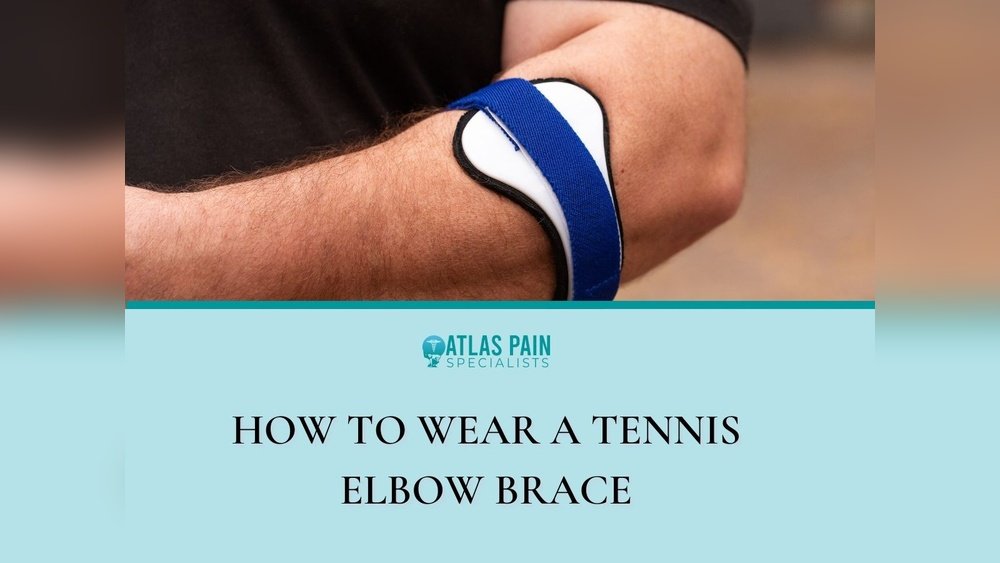
If you’re struggling with tennis elbow pain, you know how frustrating even simple tasks can become. Wearing a tennis elbow band can offer much-needed relief, but only if you wear it the right way.
Too loose, and it won’t support your arm; too tight, and it might cause discomfort or restrict blood flow. You’ll learn the proper way to wear your tennis elbow band so it effectively reduces pain and helps you get back to your daily activities with ease.
Keep reading to discover simple steps that make a big difference in managing your tennis elbow.
Choosing The Right Band
Choosing the right tennis elbow band is key to effective relief and support. The right band fits well and targets the sore area properly. A poor choice can cause discomfort or no help at all.
Consider the material, size, and design to find the best band for your needs. Comfort and function should guide your choice. Let’s explore how to select a suitable tennis elbow band.
Material And Comfort
Look for soft, breathable fabric. It should prevent sweat and skin irritation. Neoprene and elastic bands offer good support and comfort. Avoid stiff materials that may cause chafing.
Proper Size Selection
Measure your arm correctly before buying. A band too tight will cut circulation and cause pain. A loose band will slip and lose support. Choose one that fits snugly without discomfort.
Support And Design Features
Opt for bands with adjustable straps for a custom fit. Some have a built-in pad to ease pressure on the tendon. Check if the band offers targeted compression at the elbow. This helps reduce strain during activity.
Correct Positioning
Correct positioning of a tennis elbow band is key to its effectiveness. The band must sit in the right spot to reduce pain and pressure on the tendon. Wearing it too high or too low can cause discomfort or reduce its support.
Proper placement ensures the band applies gentle pressure on the muscle just below the elbow. This helps ease strain during activities involving the wrist and forearm. The right fit also prevents slipping or tightness that can limit movement.
Locate The Muscle Below The Elbow
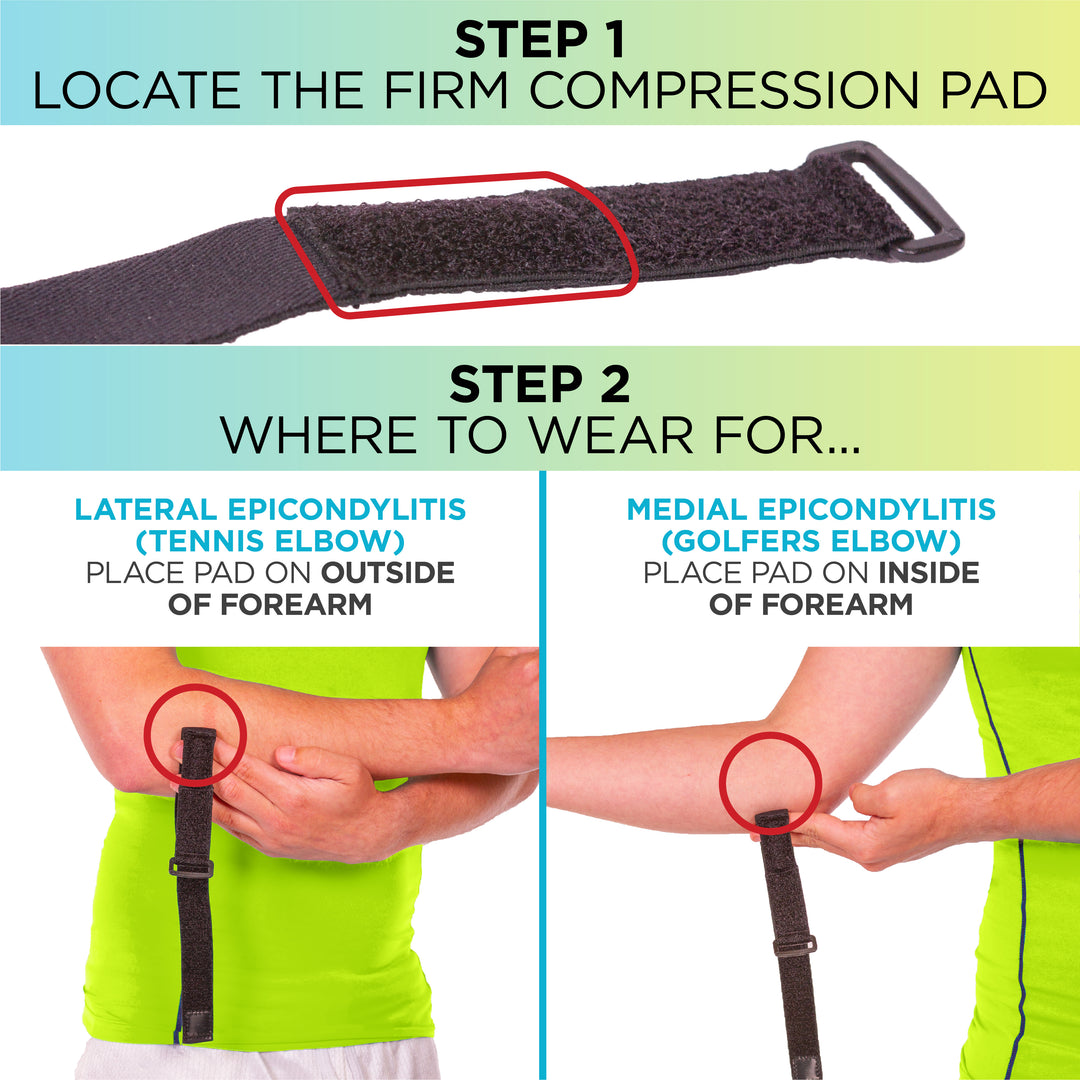
Find the bony bump on the outside of your elbow. The band should sit just below this point. Position it over the muscle where you feel the pain or soreness. This spot controls the tension in your forearm tendons.
Adjust The Tightness Carefully
Fasten the band so it feels snug but not too tight. It should not cut off circulation or cause numbness. You want firm pressure that supports the muscle without discomfort. Test by bending your wrist or making a fist.
Check For Proper Movement
Wear the band and move your arm freely. It should stay in place without sliding down. If it shifts, tighten the strap or reposition it. The band must allow full wrist and elbow movement for best results.
Adjusting The Tightness
Adjusting the tightness of a tennis elbow band is key to its effectiveness. A band that is too loose will not provide enough support. Too tight, and it can cause discomfort or restrict blood flow. Proper tension helps reduce pain and strain on the tendons.
Finding the right balance takes a little attention. The band should feel snug around your forearm just below the elbow. It should not pinch or cause numbness. The goal is to apply gentle pressure to the muscles and tendons.
How To Check The Tightness
Start by fastening the band comfortably on your forearm. Make a fist or squeeze your hand. You should feel slight pressure from the band when you do this. If the pressure is missing, tighten the band a bit more.
Do not over-tighten. If you notice tingling, numbness, or skin turning pale, loosen the band immediately. These are signs of restricted blood flow.
Adjusting During Activities
The band may feel different during various activities. Tighten it just enough to support your arm without limiting movement. If you feel pain increasing, check the band’s fit again.
Remove the band during rest or sleep unless your doctor advises otherwise. This helps prevent circulation problems and skin irritation.
Tips For Long-term Comfort
Wear the band only during activities that strain your elbow. Adjust the tightness each time you put it on. Clean the band regularly to keep the skin healthy.
Listen to your body. If discomfort persists, consult a healthcare professional for advice on fit and use.
Feeling The Pressure
Feeling the right pressure is key when wearing a tennis elbow band. The band must be tight enough to provide support without causing discomfort. This balance helps reduce pain and protects the tendons during activity.
Wearing the band too loose means it will not work well. You need to feel a gentle squeeze on your forearm muscles. This pressure helps ease strain on the injured area.
How Tight Should The Band Be?
The band should feel snug but not painful. It should press firmly on the muscle below the elbow. You will feel some pressure when you move your wrist or make a fist. If it feels too tight, loosen it slightly to avoid cutting off circulation.
Where To Position The Band
Place the band about 1 to 2 inches below the elbow joint. This spot targets the forearm muscles that cause pain. Avoid placing the band directly on the elbow or too far down the arm. Correct positioning increases comfort and effectiveness.
Checking The Pressure During Activity
Test the band by squeezing your hand into a fist. You should feel steady pressure on your forearm. The band should stay in place without sliding down or feeling loose. Adjust the strap to maintain the right pressure throughout your activity.
Avoiding Excessive Tightness
Wearing a tennis elbow band correctly helps reduce pain and supports healing. One key point is avoiding excessive tightness. Too tight a band can cause discomfort and limit blood flow. This may worsen symptoms or delay recovery. A properly fitted band should feel snug but never painful.
Finding the right balance is important. The band must apply enough pressure to support the tendon. Yet, it should not pinch or squeeze the arm. Checking for signs like numbness or tingling helps ensure proper fit.
Signs Of Excessive Tightness
Look for redness, swelling, or skin changes under the band. Feeling numb or a pins-and-needles sensation means the band is too tight. Pain that increases after putting on the band is a warning. These signs indicate poor circulation or nerve compression.
How To Adjust The Band Properly
Loosen the strap a little if you notice discomfort. The band should stay in place but not dig into your skin. Adjust it until you feel gentle pressure without pain. Test by moving your wrist and fingers to ensure normal blood flow.
Tips To Prevent Over-tightening
Put the band on while your arm is relaxed. Avoid tightening it during muscle contraction. Use the adjustable strap to fine-tune the fit throughout the day. Remove the band during rest or sleep to allow proper circulation.
Wearing During Activities
Wearing a tennis elbow band during activities provides support and reduces pain. It helps ease strain on the tendons around the elbow. Wearing the band correctly during movement improves comfort and function.
The band should fit snugly but not cut off circulation. Tighten it enough to feel gentle pressure without discomfort. Proper placement just below the elbow is important for best results.
Wear the Band for Repetitive MotionsUse the band during activities that involve repeated arm and wrist movements. Examples include typing, lifting, and playing sports. The band reduces stress on the injured tendons during these tasks.
Adjust Tightness Based on ActivityLoosen or tighten the band depending on your activity level. It should feel supportive but not restrict blood flow. Check for numbness or tingling and adjust as needed.
Remove the Band During RestTake off the band when resting or sleeping. Wearing it constantly can cause skin irritation or poor circulation. Use the band mainly during activities that cause pain or strain.
When Not To Wear
Knowing when not to wear a tennis elbow band is as important as knowing how to wear it. Wearing the band at the wrong times can cause discomfort and reduce its effectiveness. It can also lead to skin irritation or poor circulation. Understanding the right moments to avoid using the band helps protect your arm and speeds up healing.
While Resting
A tennis elbow band is not needed when your arm is resting. During rest, your tendons and muscles recover naturally. Wearing the band without activity can cause unnecessary pressure. Let your arm relax without the band to avoid irritation.
During Sleep
Avoid wearing the band overnight unless a doctor advises it. Sleeping with the band can restrict blood flow. Poor circulation might cause numbness or swelling. Removing the band before bed helps your arm breathe and stay comfortable.
If You Feel Numbness Or Tingling
Stop wearing the band if you notice numbness or tingling sensations. These signs mean the band is too tight or pressing on nerves. Loosen or remove the band to prevent further discomfort or injury.
If You Have Skin Issues
Do not wear the band over broken or irritated skin. The band can worsen skin problems like rashes or sores. Keep the skin clean and dry before using the band again. Consult a doctor if skin irritation continues.
Duration Of Use
The duration of use for a tennis elbow band plays a key role in its effectiveness. Wearing the band correctly helps reduce pain and supports healing. But wearing it too long or too short can affect results.
Understanding when and how long to wear the band can speed recovery. The goal is to ease strain on the tendons without causing other issues. Balance is important for best outcomes.
When To Wear Your Tennis Elbow Band
- Wear the band during activities that strain your arm.
- Use it while playing sports, typing, or lifting objects.
- Wear it during repetitive wrist or gripping motions.
- Keep it on for short periods after activity if soreness remains.
- Use it as a support tool, not a permanent fix.
When To Avoid Wearing The Band
- Do not wear the band while resting or relaxing.
- Avoid wearing it overnight to prevent circulation problems.
- Remove the band if it causes numbness or tingling.
- Do not rely on the band alone; rest and exercises are needed.
Important Tips For Duration
- Wear the band snug but not too tight to avoid discomfort.
- Limit use to periods of pain or strain, not all day long.
- Use the band as part of a treatment plan with strengthening exercises.
- Consult a doctor if pain continues despite using the band properly.
Using The Band For Sports
Using a tennis elbow band during sports helps reduce pain and support your arm. It lowers strain on the tendons and muscles around the elbow. Wearing the band correctly can improve your performance and prevent injury. It also helps you stay active without discomfort.
Positioning The Band Correctly
Place the band just below the elbow on your forearm. This spot reduces pressure on the injured tendon. Make sure the band fits snugly but not too tight. A loose band will not provide enough support. Tight bands can cut off blood flow and cause numbness.
Adjust the strap so you feel gentle pressure when moving your wrist. The pressure should ease pain during sports activities. Avoid making it too tight, or it will limit your arm’s movement. Check the fit often, especially during long sessions.
Choosing When To Wear The Band
Wear the band during activities that strain your elbow. Sports like tennis, golf, or weightlifting need extra support. Remove the band during rest or sleep to let your arm recover. Use the band only for short periods to avoid muscle weakness.
Maintaining Comfort And Safety
Keep your skin dry under the band to prevent irritation. Clean the band regularly according to the instructions. Replace the band if it loses elasticity or becomes uncomfortable. Listen to your body and stop using the band if pain increases.
Wearing For Work Tasks
Wearing a tennis elbow band during work tasks can help reduce pain and prevent further injury. It provides support to the tendons affected by repetitive movements. The band should fit snugly but not too tight. Proper placement is key to comfort and effectiveness.
Choose The Right Position
Place the band just below the elbow joint. It should press gently on the muscles. Avoid placing it directly on the elbow bone. This position helps reduce strain on the tendons during work tasks.
Adjust The Tightness Correctly
Secure the band firmly without cutting off circulation. You should feel light pressure but no pain. The band must stay in place when moving your arm or hand. Adjust it during the day if it feels too loose or tight.
Wear During Repetitive Movements
Use the band when performing tasks like typing, lifting, or gripping tools. It supports the muscles and reduces tension on the elbow. Wearing it only during these tasks prevents unnecessary discomfort. Remove the band during breaks to allow circulation.
Check For Comfort Regularly
Stop using the band if you feel numbness, tingling, or increased pain. These signs mean it may be too tight or misplaced. Adjust the fit or take breaks to avoid skin irritation. Comfort is essential for effective use during work.
Post-activity Use
Wearing a tennis elbow band after physical activity helps with recovery. It reduces pain and supports healing.
Proper post-activity use prevents stiffness and eases muscle tension. Wearing the band for a short time after exercise is helpful.
How Long To Wear The Band After Activity
Wear the band for 15 to 30 minutes after your activity. This time helps reduce soreness. Avoid wearing it all day to prevent skin irritation.
Adjusting The Tightness Post-exercise
Loosen the band slightly after activity. It should feel comfortable, not tight. A snug fit supports your elbow without cutting off circulation.
Cleaning And Care After Use
Remove the band and clean it regularly. Sweat and dirt can build up and cause irritation. Follow the manufacturer’s washing instructions for best results.
Listening To Your Body Post-activity
Notice how your elbow feels after wearing the band. Stop using it if you feel numbness or increased pain. Consult a doctor for persistent discomfort.
Monitoring Comfort Levels
Monitoring comfort levels is key when wearing a tennis elbow band. The band should support your arm without causing pain or discomfort. Checking how it feels helps prevent skin irritation and improves healing.
Pay close attention to tightness. The band must be snug enough to reduce strain but not so tight that it cuts off circulation. Adjust it during use to maintain the right pressure.
Check For Skin Redness And Irritation
Look at your skin under the band regularly. Redness or rash means the band might be too tight or made of material that irritates your skin. Remove the band and clean the area if you notice any marks.
Listen To Your Arm’s Feedback
Notice any numbness, tingling, or increased pain. These signals mean the band is not fitted well. Loosen or reposition it immediately. Your comfort guides proper use and helps avoid further injury.
Adjust Band Tension As Needed
During activities, the tension may feel different. Tighten or loosen the band to keep support balanced. Avoid making it too tight during long periods to prevent swelling or discomfort.
Take Breaks From Wearing The Band
Do not wear the band all day. Remove it during rest or sleep. This prevents skin problems and allows your arm to relax. Use the band mainly during tasks that strain your elbow.
Signs Of Poor Fit
Wearing a tennis elbow band correctly is key to relief and healing. A poor fit can cause discomfort and reduce the band’s effectiveness. Recognizing signs of a poor fit helps you adjust the band properly. This prevents more pain and supports faster recovery.
Too Tight Or Too Loose
A band that is too tight causes numbness and tingling. It may also turn your skin red or blue. A loose band slips down and does not give enough support. Both cases reduce the band’s ability to ease pain.
Pressure Not Felt On The Tendon
You should feel gentle pressure just below your elbow. If there is no pressure, the band is not helping the tendon. This means you need to tighten the strap slightly for better support.
Skin Irritation Or Pain
Rashes, itching, or sores show the band irritates your skin. Pain or discomfort under the band means it does not fit well. A well-fitted band should feel snug but not cause pain or skin problems.
Difficulty Moving The Arm
If you find it hard to bend or straighten your arm, the band may be too tight. It should allow free movement while reducing strain on the tendon. Restricted motion is a clear sign to adjust the fit.
Incorporating Strengthening Exercises
Incorporating strengthening exercises plays a vital role in managing tennis elbow. Wearing a tennis elbow band helps reduce pain, but building muscle strength prevents future injuries. These exercises target the forearm muscles and tendons to improve endurance and support. Regular practice of simple movements can speed recovery and reduce reliance on the band.
Start with gentle exercises and gradually increase intensity. Avoid any movement that causes sharp pain. Focus on consistency rather than speed or weight. Strengthening the muscles around the elbow enhances stability and lessens strain on injured tendons.
Wrist Extension Exercise
Place your forearm on a table with your palm facing down. Hold a light weight or a water bottle. Slowly lift your hand upward using your wrist only. Lower it back down with control. Repeat 10 to 15 times for two sets. This exercise strengthens the muscles on the top of your forearm.
Wrist Flexion Exercise
Rest your forearm on a table with your palm facing up. Hold a light weight or water bottle. Slowly lift your hand upward by bending your wrist. Lower it down slowly. Perform 10 to 15 repetitions for two sets. It targets the muscles on the underside of your forearm.
Grip Strengthening Exercise
Use a soft stress ball or a tennis ball. Squeeze the ball tightly and hold for five seconds. Release and relax your hand. Repeat 10 to 15 times for two sets. This exercise improves grip strength and supports the elbow tendons.
Consulting Healthcare Professionals
Properly fitting a tennis elbow band means placing it just below the elbow on the forearm. The band should feel snug to support tendons without cutting off circulation. Consulting a healthcare professional ensures correct placement and avoids discomfort or injury.
Talking to a healthcare professional helps ensure you use the tennis elbow band correctly. They can diagnose your condition and suggest the best treatment.
Doctors or physical therapists check how tight the band should be. Too loose, and it won’t support your arm. Too tight, and it may cut off circulation.
Healthcare experts also show where to place the band on your arm. Proper placement reduces pain and helps your tendons heal faster.
Getting A Proper Diagnosis
A correct diagnosis is key to effective treatment. Tennis elbow pain can come from different issues. Professionals use exams to find the root cause.
This step prevents wrong use of the band and avoids worsening your condition. You get a clear plan tailored to your needs.
Personalized Fitting And Advice
Healthcare providers measure your arm to fit the band properly. They teach you how to wear and adjust the strap for best comfort.
They may recommend when to wear the band and for how long. This advice stops overuse and lets your muscles recover well.
Monitoring Progress And Adjustments
Regular check-ups help track your healing progress. Experts can adjust the band or suggest other therapies as needed.
This ongoing care ensures the tennis elbow band helps without causing new problems. It keeps your recovery on the right path.

Credit: bauerfeind.com.au
Cleaning And Maintenance
Cleaning and maintaining your tennis elbow band keeps it effective and comfortable. Dirt, sweat, and oils can build up on the band. This can reduce its support and cause skin irritation. Regular cleaning helps the band last longer and stay fresh. Proper care also prevents bad odors and bacteria growth.
How To Clean Your Tennis Elbow Band
Hand wash the band with mild soap and warm water. Avoid harsh detergents or bleach. Gently scrub to remove dirt and sweat. Rinse thoroughly to remove all soap. Do not twist or wring the band, as this can damage its shape.
Drying The Band Correctly
Pat the band dry with a clean towel. Lay it flat to air dry in a shaded area. Avoid direct sunlight or heat sources like dryers. Heat can weaken the elastic material and reduce the band’s support.
Maintaining The Band’s Fit And Support
Check the band regularly for signs of wear and tear. Replace it if the elastic becomes loose or the material frays. A loose band will not provide proper support. Keep straps and fasteners clean to maintain a snug fit.
Material Types And Benefits
Choosing the right material for a tennis elbow band affects comfort and support. Different materials offer unique benefits that suit various needs. Understanding these types helps you pick the best band for your condition.
Neoprene
Neoprene is soft and stretchy. It provides firm compression to reduce pain. This material keeps warmth around the elbow, which helps relax muscles. Neoprene bands are durable and resist wear. They work well during sports and daily activities.
Nylon And Polyester
Nylon and polyester blends offer breathability. These materials wick away sweat and keep skin dry. They are lightweight and flexible, allowing free movement. Bands made of nylon and polyester suit long wear in warm weather. They reduce irritation and discomfort.
Elastic Fabric
Elastic fabric gives adjustable tightness. It molds easily to the shape of the arm. This fabric supports the elbow without restricting blood flow. Elastic bands are easy to put on and remove. They are ideal for mild to moderate tennis elbow pain.
Cotton
Cotton bands are soft and gentle on the skin. They absorb moisture and prevent rashes. Cotton is breathable but less stretchy than other materials. These bands work well for sensitive skin. They offer basic support and comfort for light use.
Credit: www.braceability.com
Common Mistakes To Avoid
Using a tennis elbow band incorrectly can reduce its benefits. Many people make simple mistakes that lessen support and comfort. Avoiding these errors ensures better pain relief and faster healing. Below are common mistakes to watch out for when wearing a tennis elbow band.
Wearing The Band Too Loosely
A loose band does not apply enough pressure. It will slide down and fail to support the tendons. The band should feel snug but not tight. Check that it stays in place during movement.
Placing The Band In The Wrong Position
The band must sit just below the elbow joint. Too high or too low reduces its effectiveness. Find the spot where your tendons feel tender and position the band there.
Overtightening The Band
Too much tightness can cut off circulation. This causes numbness, tingling, or discoloration. Adjust the band so it presses firmly but does not hurt. Remove it if you notice any discomfort.
Wearing The Band All Day
Wearing the band all the time can weaken muscles. Use it only during activities that strain your arm. Take breaks to let your skin breathe and muscles relax.
Ignoring Underlying Causes
The band helps with symptoms but does not fix weak muscles. Combine its use with strengthening exercises. Consult a healthcare provider if pain continues or worsens.
Benefits Of Proper Use
Using a tennis elbow band correctly brings many benefits that improve comfort and healing. Wearing it the right way supports the muscles and tendons around the elbow. It helps reduce pain and prevents further injury. Proper use allows better movement and faster recovery.
A well-fitted band applies pressure to the right spot. This pressure eases strain on the injured area. It also helps blood flow, which speeds up healing. Wearing the band during activities reduces pain and protects the elbow from stress.
Enhanced Pain Relief
The right fit targets the sore tendons precisely. This reduces pain during gripping and lifting. Pain relief helps you stay active and avoid stiffness. It supports healing without causing discomfort.
Improved Muscle Support
The band provides extra support to weak muscles. It shares the load and reduces strain on injured tissues. Support helps prevent overuse and allows muscles to rest. This leads to stronger, healthier muscles over time.
Better Movement Control
Proper use limits harmful movements that worsen the injury. It keeps the elbow stable without limiting motion too much. This control protects the elbow during sports or daily tasks. It helps maintain normal arm function safely.
Faster Recovery
Consistent, correct use promotes quicker healing. Reducing strain and improving blood flow speeds tissue repair. Faster recovery means less time away from work or sports. The band acts as a useful aid during the healing process.

Credit: www.youtube.com
When To Replace The Band
Knowing when to replace your tennis elbow band is important for proper support. Over time, bands lose their tightness and effectiveness. A worn-out band cannot protect your elbow well. This can slow down healing or cause more pain.
Check your band regularly for signs of wear. Replace it to keep good pressure on your elbow. A fresh band helps reduce strain during activities. It also keeps you comfortable and safe.
Signs The Band Is Worn Out
Look for stretched or loose material. If the band slips during use, it needs replacement. Worn padding may cause discomfort or skin irritation. Faded colors or torn fabric also show it’s time for a new band.
How Often To Replace The Band
Replace the band every few months if used daily. Heavy use, like sports or manual work, may need more frequent changes. Check it monthly for any damage or loss of support. A good band always fits snugly without pain.
Impact Of An Old Band On Healing
An old band gives less support to your tendon. This can increase pain and slow recovery. It may also cause the band to shift or bunch up. A new band keeps the right pressure to reduce strain and help healing.
Frequently Asked Questions
How To Properly Wear A Band For Tennis Elbow?
Wear the band just below the elbow on the forearm. Tighten it until you feel firm pressure when making a fist. Avoid over-tightening to prevent numbness or discomfort. Use it during activities that strain your arm, and remove it during rest or sleep unless advised otherwise.
Should You Wear A Tennis Elbow Strap All Day?
Do not wear a tennis elbow strap all day. Use it only during activities that strain your arm. Remove it during rest and sleep. Ensure the strap fits snugly without cutting off circulation. Combine with strengthening exercises for best results.
Consult a doctor if pain persists.
Do Tennis Elbow Bands Really Work?
Tennis elbow bands reduce strain and relieve pain during activities. They work best when worn snugly and used consistently. However, they don’t cure the condition. Combining use with strengthening exercises improves recovery. Consult a doctor if pain persists or worsens.
Should You Sleep With Your Arm Straight Or Bent With A Tennis Elbow?
Sleep with your arm bent slightly to reduce strain on the tendon. Avoid keeping it fully straight to ease tennis elbow discomfort.
How Tight Should A Tennis Elbow Band Be Worn?
The band should be snug enough to feel pressure when making a fist, but not too tight.
Where Exactly Should I Place The Tennis Elbow Band?
Position the band about 1 to 2 inches below the elbow on the forearm.
Can I Wear A Tennis Elbow Band All Day?
No, wear it only during activities that cause arm strain or pain.
How Do I Know If The Tennis Elbow Band Fits Correctly?
It should feel firm but not cause numbness, tingling, or skin discoloration.
Should I Wear The Band While Sleeping Or Resting?
Avoid wearing the band overnight or during rest unless a doctor advises otherwise.
How Long Should I Wear The Tennis Elbow Band Each Day?
Use it during aggravating activities and for short periods after to ease soreness.
Conclusion
Wearing a tennis elbow band correctly helps reduce pain and strain. Keep the band snug but not too tight. Use it during activities that stress your arm. Avoid wearing it all day or while sleeping unless advised. Remember, the band eases symptoms but does not cure the problem.
Strengthen your arm muscles alongside using the band. Always listen to your body and adjust the fit as needed. Seek medical advice if pain continues or worsens. Proper use supports recovery and lets you stay active comfortably.