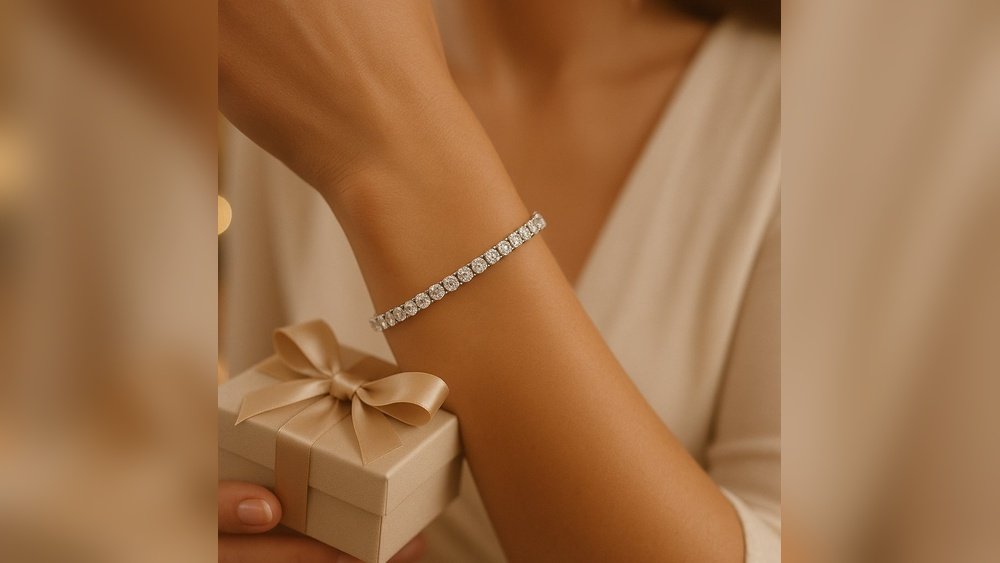
Thinking about buying a tennis bracelet? It’s more than just picking a pretty piece of jewelry.
You want something that fits your style, lasts through daily wear, and feels just right on your wrist. But where do you start? What should you pay attention to so you don’t end up with a bracelet that disappoints? In this guide, you’ll discover the key factors to consider—from the perfect fit and sparkle to the right metal and budget.
By the time you finish reading, you’ll feel confident making a choice that brings you joy every time you wear it. Let’s dive in and make sure your tennis bracelet is exactly what you’ve dreamed of.
Credit: www.ritani.com
Diamond Quality
Diamond quality is the heart of any tennis bracelet. It defines the sparkle, shine, and overall beauty of the piece. Understanding the key factors of diamond quality helps choose a bracelet that lasts and looks stunning.
Cut
The cut affects how the diamond reflects light. Well-cut diamonds shine brighter and appear more lively. Poor cuts make diamonds look dull and lifeless. Always pick diamonds with excellent or very good cut grades.
Color
Diamond color ranges from colorless to light yellow or brown. Colorless diamonds look clearer and more valuable. A color grade between D and G offers a good balance of quality and price. Lower grades show noticeable color tint.
Clarity
Clarity measures the number of flaws inside and on the surface. Fewer inclusions mean higher clarity and better sparkle. Grades like VS1 or VS2 provide near-flawless appearance at a fair price. Avoid diamonds with visible imperfections.
Carat
Carat refers to the diamond’s weight, not size. Larger carat diamonds cost more but may have lower cut or color quality. Choose carat size based on budget and personal style. Balance carat with cut, color, and clarity for best value.
Metal Types
Choosing the right metal type for a tennis bracelet affects its look, feel, and lifespan. Metals come in different colors and strengths. This choice impacts your bracelet’s style and how well it holds up over time. Understanding metal options helps you pick a bracelet that fits your needs and budget.
Gold Vs Platinum
Gold is a classic metal with warm tones. It comes in yellow, white, and rose colors. Gold is lighter than platinum, making it easy to wear daily. It is also more affordable than platinum. Platinum is a rare, white metal with a sleek shine. It looks bright and modern. Platinum is heavier and feels more solid on the wrist. It is hypoallergenic, good for sensitive skin. Both metals hold diamonds well but differ in price and appearance.
Durability
Platinum is very strong and resists scratches well. It keeps its shine longer without much care. Gold is softer and can scratch or bend more easily. It may need polishing over time to keep its look. The purity of gold affects its strength. Higher karat gold is softer but richer in color. Lower karat gold is harder but less bright. Consider how often you will wear the bracelet when choosing metal for durability.
Bracelet Size
Choosing the right bracelet size is key to enjoying your tennis bracelet every day. A bracelet that fits well looks elegant and feels comfortable on the wrist. Too tight can cause discomfort, while too loose may risk slipping off. Paying attention to size ensures your tennis bracelet stays secure and stylish.
Length Measurement
Measure your wrist accurately before buying. Use a soft tape or string to wrap around the wrist where you want to wear the bracelet. Mark the length and measure it with a ruler. Add about half an inch to one inch to this measurement for a perfect fit. This extra length allows the bracelet to move slightly without being too loose.
Fit And Comfort
The bracelet should feel comfortable throughout the day. It must move gently on your wrist without sliding too much. Try different sizes if possible. Check how it feels when you move your hand or bend your wrist. A good tennis bracelet fits snugly but does not pinch the skin. Comfort is important for long-term wear.
Credit: johnatencio.com
Stone Settings
Stone settings play a key role in the look and strength of a tennis bracelet. They hold the gems firmly in place. Different settings offer varied styles and levels of security. Choosing the right setting can affect the bracelet’s shine and durability.
Prong
Prong settings use small metal claws to grip each stone. They allow more light to pass through the gems. This makes diamonds and other stones sparkle brightly. Prongs show off the stones well but may catch on clothing. Regular checks ensure the stones stay secure.
Bezel
Bezel settings wrap metal fully around the stone’s edges. This offers great protection for the gems. The smooth metal border keeps stones safe from bumps. Bezels give a modern and sleek look. They may slightly reduce the stone’s sparkle compared to prongs.
Channel
Channel settings place stones in a row between two metal strips. Stones sit flush and secure without gaps. This setting creates a clean, continuous line of gems. It protects the stones well and prevents snagging. Channel settings are strong and stylish for tennis bracelets.
Carat Weight
Carat weight plays a key role in choosing a tennis bracelet. It affects the bracelet’s sparkle and value. Carat weight measures the size of the diamonds or gemstones in the bracelet. Understanding carat weight helps you pick the right balance of beauty and budget. This section explains important points about carat weight for your tennis bracelet.
Total Carat Vs Individual Stones
Total carat weight refers to the combined weight of all stones in the bracelet. It shows the overall diamond size you will wear. A bracelet with 5 carats total weight means all stones together weigh 5 carats.
Individual stone weight tells you how big each diamond or gemstone is. Many tennis bracelets have many small stones. These stones usually weigh less than one carat each. If stones are larger, the bracelet looks bolder but costs more.
Deciding between higher total carat weight or larger individual stones depends on your style. Small stones create a delicate, classic look. Larger stones make the bracelet shine brighter and stand out more. Both options can be beautiful and elegant.
Budget Planning
Budget planning is key when buying a tennis bracelet. It helps you find a piece that fits your needs and wallet. Setting a clear budget guides your choices and narrows down options. It also prevents overspending and buyer’s remorse.
Knowing the types of diamonds and their costs plays a big role. Different diamonds come at different price points and qualities. Understanding these differences makes your budget work smarter.
Natural Vs Lab-grown Diamonds
Natural diamonds form over millions of years under the earth. They usually cost more due to rarity and mining expenses. Each natural diamond is unique with its own flaws and features.
Lab-grown diamonds are created in controlled settings. They look and perform like natural diamonds but cost less. These diamonds offer a budget-friendly way to enjoy sparkle without sacrificing quality.
Choosing between natural and lab-grown depends on your budget and values. Both types offer beautiful tennis bracelets but at different price levels.
Price Ranges
Price varies widely for tennis bracelets. Simple designs with small stones can start under $500. Mid-range bracelets with larger diamonds or better settings often range from $1,000 to $5,000.
Luxury tennis bracelets with high-quality diamonds and precious metals can cost $10,000 or more. Your budget decides what size and quality you can afford.
Plan your budget before shopping to match your style and diamond preferences. This helps you buy a tennis bracelet you will love and wear often.
Durability Factors
Durability is key for tennis bracelets. These pieces face daily wear and tear. Choosing a durable bracelet ensures long-lasting beauty and fewer repairs. Focus on the gemstone hardness and bracelet construction. Both affect the bracelet’s strength and lifespan.
Gemstone Hardness
Hardness measures how well a gemstone resists scratches. Diamonds score highest with a 10 on the Mohs scale. They stay shiny and resist damage over time. Other stones like sapphires and rubies also offer good hardness. Softer stones can scratch or chip easily. Pick harder gemstones for a tennis bracelet that lasts.
Bracelet Construction
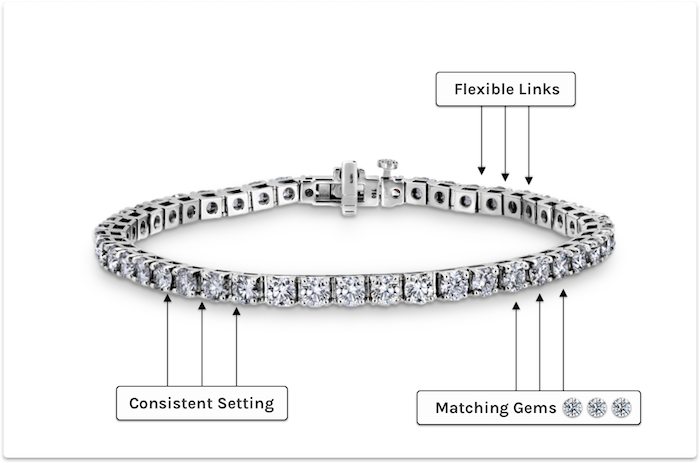
Strong bracelet construction prevents breakage and loss of stones. Look for secure settings like prongs or bezels that hold gems firmly. Check the metal type; platinum and gold are durable choices. The clasp should be sturdy and lock well. A well-made bracelet moves smoothly and feels solid on the wrist.
Style Choices
Choosing the right style for a tennis bracelet is key. The bracelet should match your personal taste and daily wear. Style choices range from timeless classics to fresh, modern looks. Each style offers a unique way to show off your elegance. Understanding these options helps you pick a bracelet that fits your lifestyle and personality perfectly.
Classic Vs Modern Designs
Classic tennis bracelets feature simple, uniform diamond settings. They offer a clean, elegant look that never goes out of style. These bracelets suit formal and casual occasions alike. Modern designs often mix different metals and stone sizes. They may include unique patterns or alternative gemstones. These bracelets appeal to those who want something bold and trendy. Both styles have their charm, so choose what feels right for you.
Stone Shapes
Round diamonds are the most popular choice for tennis bracelets. Their sparkle and brilliance catch the eye easily. Princess cut stones add a sharp, contemporary edge. Emerald and baguette cuts give a sleek, sophisticated appearance. Some bracelets combine multiple stone shapes for extra interest. The shape you pick affects the bracelet’s overall style and shine. Choose a shape that complements your style and hand shape.
Clasp Types
Choosing the right clasp for your tennis bracelet ensures security and ease of use. The clasp type affects how safe the bracelet stays on your wrist. It also influences comfort and style. Two popular clasp types are the box clasp and the lobster claw. Both offer reliable closures but differ in design and function.
Box Clasp
The box clasp is a classic choice for tennis bracelets. It features a small box-shaped mechanism where a tab fits securely inside. This clasp often includes a safety latch for extra protection. It blends well with delicate bracelet designs. The box clasp is easy to open and close with one hand. It holds the bracelet firmly, preventing accidental loss. Many high-end tennis bracelets use this type of clasp.
Lobster Claw
The lobster claw clasp resembles a lobster’s claw with a spring-loaded arm. It opens by pulling a small lever and closes automatically when released. This clasp is strong and durable, making it ideal for daily wear. It offers a secure grip on the bracelet’s end ring. The lobster claw clasp suits both casual and elegant tennis bracelets. It is less common but valued for its reliability and simple design.
Brand Reputation
Brand reputation plays a key role in choosing a tennis bracelet. It reflects the quality, trust, and service you can expect. A reliable brand ensures your bracelet will last and retain its beauty. Reputation also influences the value of the piece over time. Consider brands known for craftsmanship and customer satisfaction.
Independent Jewelers
Independent jewelers often offer unique and custom pieces. They focus on quality rather than mass production. These jewelers build strong relationships with customers. They provide personalized advice and detailed information about the bracelet. Independent shops may use ethically sourced diamonds and metals. Supporting local jewelers helps you find one-of-a-kind tennis bracelets.
Luxury Brands
Luxury brands have established a global reputation for excellence. They use high-quality materials and skilled craftsmanship. These brands offer warranties and professional maintenance services. Their tennis bracelets often come with certificates of authenticity. Luxury brands maintain consistent design and style standards. Buying from a luxury brand guarantees prestige and lasting value.
Certification Importance
Certification plays a key role when buying a tennis bracelet. It verifies the quality and authenticity of the diamonds or gemstones used. A certificate offers peace of mind and protects your investment. Without certification, it is hard to know if the stones are genuine or if they meet certain standards.
A certificate also details important factors like cut, clarity, color, and carat weight. These factors affect the bracelet’s beauty and value. Always ask for certification before making a purchase. A reliable certificate comes from a trusted gemological lab.
Gia
The Gemological Institute of America (GIA) is the most respected lab worldwide. Its certificates are highly trusted by buyers and sellers alike. GIA grading reports provide detailed and unbiased information about diamonds. These include the 4Cs—cut, color, clarity, and carat weight.
GIA uses strict standards and advanced equipment to evaluate stones. A GIA certificate ensures that the diamond’s quality matches its description. This lab’s reputation adds credibility and value to your tennis bracelet. Many jewelers offer GIA-certified diamonds as a mark of quality.
Other Labs
Besides GIA, other labs also provide certification. Examples include AGS, IGI, and EGL. These labs have their own grading systems and standards. Some may be less strict than GIA, so research is important.
Look for labs with good industry reputation and consistent grading. Certificates from trusted labs still help verify authenticity and value. Avoid buying expensive tennis bracelets without any certification. It reduces risks and confirms you get what you pay for.
Maintenance Tips
Proper care keeps your tennis bracelet shining and strong. Follow simple maintenance tips to protect your jewelry. Regular cleaning and safe storage extend the life of your bracelet. These steps prevent damage and maintain its sparkle over time.
Cleaning
Clean your tennis bracelet gently to avoid scratches. Use a soft cloth or a mild soap solution with warm water. Soak the bracelet for a few minutes, then rub softly with a soft brush. Rinse well and pat dry with a clean cloth. Avoid harsh chemicals and ultrasonic cleaners that may harm stones or metal.
Storage
Store your tennis bracelet separately to prevent tangling or scratches. Use a soft pouch or a jewelry box with compartments. Keep it away from moisture and direct sunlight. Avoid storing with other jewelry pieces to reduce the risk of damage. Proper storage keeps your bracelet looking new and beautiful.
Resale Value
Resale value matters when buying a tennis bracelet. It reflects how much money you can recover if you sell it later. Some bracelets keep their value better than others. Knowing what affects resale value helps you make a smart choice.
Market Demand
Market demand influences resale value a lot. Popular styles sell faster and at higher prices. Classic designs with high-quality diamonds usually have steady demand. Bracelets from well-known brands often attract more buyers. Limited editions or unique pieces may increase in value over time. Check current trends before buying to understand what buyers want.
Appraisals
Getting an appraisal is key for resale. A professional appraisal states the bracelet’s value clearly. It helps buyers trust the price if you resell. Appraisals consider diamond quality, metal type, and bracelet condition. Keep appraisal documents safe to prove authenticity and value. Regular appraisals also track if the bracelet’s worth changes over time.
Customization Options
Customization options make a tennis bracelet truly yours. These choices add personality and meaning. A personalized bracelet fits your style and story perfectly. Explore ways to customize your tennis bracelet to reflect who you are.
Engraving
Engraving adds a special message or date to your bracelet. It can be a name, initials, or a memorable phrase. This small detail makes the bracelet unique and meaningful. Choose a font style that matches your taste. Engraving turns your jewelry into a keepsake.
Gemstone Choices
Gemstones bring color and sparkle to a tennis bracelet. Diamonds are classic, but other stones like sapphires, rubies, or emeralds offer vibrant alternatives. Each gemstone has a different meaning and look. Think about durability and daily wear when selecting stones. Customizing gemstones helps express your personality and style.
Matching Sets
Matching sets create a polished and harmonious look. They enhance the beauty of a tennis bracelet by pairing it with similar jewelry. Choosing matching pieces can elevate your overall style. It also makes gift-giving easier and more thoughtful.
Earrings
Pick earrings that reflect the tennis bracelet’s style. If the bracelet features diamonds, choose diamond studs or hoops. Matching the metal type, like gold or silver, helps keep the set unified. Simple designs work well to avoid overshadowing the bracelet. Balance is key for an elegant appearance.
Necklaces
A necklace that complements the tennis bracelet adds charm. Look for a delicate chain with similar stones or metal. A pendant with matching diamonds or gemstones ties the pieces together. Avoid chunky or heavy necklaces that compete with the bracelet. The goal is a soft, coordinated sparkle.
Gift Considerations
Choosing a tennis bracelet as a gift requires thoughtful consideration. The right bracelet reflects the recipient’s style and the special moment it celebrates. Focus on the recipient’s taste and the occasion to make your gift meaningful.
Understanding these factors helps you select a bracelet that will be cherished and worn often. Let’s explore key points to consider before buying.
Recipient Preferences
Think about the recipient’s jewelry style. Do they prefer classic or modern designs? Some like simple and elegant, while others enjoy bold and flashy pieces. Notice what metals they wear, like gold, silver, or platinum. This can guide your choice of metal for the bracelet.
Consider their lifestyle too. If they lead an active life, choose a durable and secure bracelet. Pay attention to their comfort with jewelry size and weight. A lightweight bracelet often suits daily wear better.
Occasions
Match the tennis bracelet to the occasion you celebrate. Birthdays, anniversaries, or graduations are perfect moments for gifting such a timeless piece. Each occasion may suggest a different style or size.
For milestone events, choose a bracelet with higher-quality stones or unique designs. For casual gifts, simpler styles may be more appropriate. The right bracelet makes the occasion memorable and special.
Return Policies
Understanding return policies is crucial before purchasing a tennis bracelet. These policies affect your ability to exchange or return the bracelet if it does not meet your expectations. Clear return terms provide peace of mind and protect your investment.
Store Policies
Each jewelry store has its own return rules. Some allow returns within a set number of days, often 14 to 30 days. Others might charge a restocking fee or only offer store credit. Always ask about the condition required for returns. Many stores require the bracelet to be unworn and with original packaging. Keep your receipt safe. This document is often necessary to process returns or exchanges. Knowing store policies helps avoid surprises after purchase.
Online Purchases
Buying a tennis bracelet online needs extra attention. Return windows may differ from physical stores. Shipping costs for returns might be your responsibility. Check if the seller provides a prepaid return label. Some online retailers offer free returns, which is helpful. Inspect the bracelet immediately upon arrival. Report any damage or defects to the seller quickly. Reading online reviews can also reveal how flexible a seller’s return policy is. This step ensures you shop confidently and safely.
Trying On Bracelets
Trying on a tennis bracelet is an important step before buying. It helps you see how the bracelet looks and feels on your wrist. This process lets you judge the fit and comfort, which are key to daily wear. A bracelet that looks good but feels tight or loose is not a good choice. Take your time to try different styles and sizes. Notice how each one moves and sits on your wrist. This hands-on experience will guide you to the perfect bracelet.
Fit Testing
Check if the bracelet fits well around your wrist. It should be snug but not tight. A tight bracelet can cause discomfort and leave marks. A loose bracelet may slide off or get caught easily. Move your wrist up and down to see if the bracelet stays in place. Also, try bending your wrist to test flexibility. A good tennis bracelet fits securely without restricting movement.
Comfort Level
Comfort is key for a tennis bracelet you want to wear daily. Feel the weight of the bracelet on your wrist. It should feel light and balanced. Notice if any part digs into your skin or feels rough. Smooth edges and secure clasps increase comfort. Wear the bracelet for a few minutes to check if it causes irritation. Choose a bracelet that feels pleasant on your wrist all day.
Weight And Feel
The weight and feel of a tennis bracelet play a key role in comfort and wearability. These factors affect how the bracelet sits on your wrist. A bracelet that feels right encourages daily wear and adds to your confidence.
Choosing the right weight depends on personal preference and lifestyle. Some prefer a lighter bracelet for ease, while others like a bit of heft to feel its quality. The balance of the bracelet also impacts how it feels during movement.
Heaviness
The heaviness of a tennis bracelet relates to the materials used and the design. Heavier bracelets often use solid metals and larger stones. They can feel more luxurious but might tire the wrist if too heavy.
Lighter bracelets use smaller stones or hollow links to reduce weight. They feel delicate and are easier for long wear. Consider your daily activities to choose a suitable weight that won’t interfere.
Balance
Balance means how the bracelet feels when worn. A well-balanced bracelet sits flat and does not twist. It moves smoothly with your wrist without pinching or pulling hair.
Bracelets with poor balance may feel awkward or shift too much. Look for designs with evenly spaced stones and secure clasps. This ensures comfort and a polished look all day.
Stone Count
The stone count plays a key role in the beauty and value of a tennis bracelet. It affects how the bracelet looks on your wrist and its overall sparkle. Understanding stone count helps you choose a bracelet that fits your style and budget.
Number Of Diamonds
The number of diamonds in a tennis bracelet varies widely. Some bracelets have small diamonds set closely, while others feature fewer, larger stones. More diamonds usually mean more sparkle but can also increase the price. Choose a number that matches your taste and budget.
Spacing
Spacing between the stones affects the bracelet’s shine and comfort. Tight spacing creates a continuous line of sparkle. Wider gaps highlight each stone individually. Consider how the spacing looks and feels on your wrist before buying.
Credit: robinsonsjewelers.com
Frequently Asked Questions
What Is A Tennis Bracelet?
A tennis bracelet is a slim, flexible bracelet set with small, uniform diamonds or gemstones.
How To Choose The Right Size For A Tennis Bracelet?
Pick a size that fits comfortably, loose enough to move but not to slide off.
What Metals Are Best For Tennis Bracelets?
Common metals include gold (yellow, white, rose) and platinum for durability and style.
How Important Is Diamond Quality In Tennis Bracelets?
Diamond quality affects sparkle and price; look for good cut, clarity, and color balance.
Can Gemstones Be Used Instead Of Diamonds?
Yes, durable gemstones like sapphires and rubies work well and add color variety.
What Budget Should I Set For Buying A Tennis Bracelet?
Budgets vary widely; set one based on metal type, diamond quality, and bracelet length.
How To Ensure The Bracelet Is Durable?
Choose strong settings like prongs or bezels and sturdy metal to prevent damage.
What Clasp Type Is Safest For Tennis Bracelets?
Box clasps with safety catches offer secure closure and peace of mind.
How To Care For A Tennis Bracelet?
Clean gently with mild soap and soft cloth; avoid harsh chemicals and rough handling.
Where Is The Best Place To Buy A Tennis Bracelet?
Buy from trusted jewelers or certified sellers to ensure quality and authenticity.
Conclusion
Choosing the right tennis bracelet takes time and care. Focus on quality, fit, and style that suit you. Think about the metal type and diamond clarity. Don’t forget your budget and how often you will wear it. A well-chosen bracelet adds elegance to any outfit.
Take your time to compare options and ask questions. Your perfect tennis bracelet is worth the effort. Enjoy the beauty and sparkle every day.