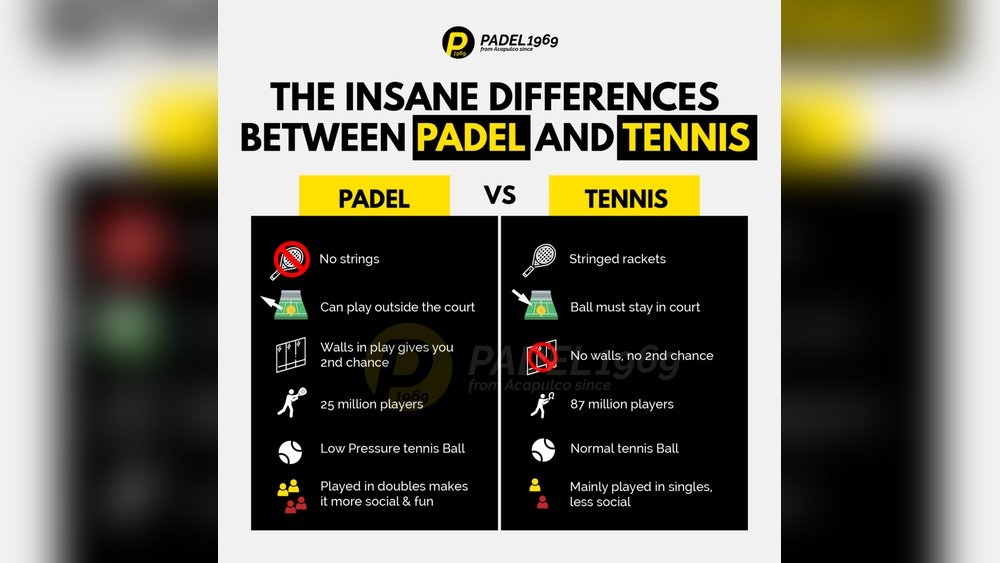
Are you curious about how tennis and padel differ, and which one might be the right fit for you? Whether you’re thinking about picking up a new racket sport or just want to understand what makes these two games unique, knowing their key differences can help you decide.
From the size of the court to the style of play and equipment, each sport offers a distinct experience. You’ll discover what sets tennis and padel apart, why padel is often easier for beginners, and how your skills and preferences can guide your choice.
Keep reading to find out which game matches your style and how you can get started playing today!
Court Dimensions
The dimensions of the court play a major role in defining the differences between tennis and padel. Each sport has a unique court size that influences how the game is played. Understanding these differences helps players adapt their strategies and skills accordingly.
Tennis Court Dimensions
Tennis courts are larger than padel courts. A standard tennis court measures 78 feet long and 27 feet wide for singles matches. For doubles, the width increases to 36 feet. The court is divided by a net that is 3 feet high in the center. The large size requires players to cover more ground and use powerful shots.
Padel Court Dimensions
Padel courts are much smaller. The official size is 20 meters long and 10 meters wide. The court is enclosed by glass and metal walls that players can use to bounce the ball. The net height is slightly lower than in tennis, about 88 cm in the center. The compact size promotes quicker exchanges and closer teamwork.
Impact Of Court Size On Gameplay
In tennis, the large court demands strong stamina and long-range shots. Players often run long distances to reach the ball. Padel’s smaller court allows for faster reflexes and more strategic play. The walls add an extra element, letting players use angles and rebounds. This creates longer rallies and a more dynamic game.
Playing Area Differences
The playing areas of tennis and padel differ greatly in size and design. These differences affect how each sport is played and experienced. Understanding the distinct court features helps players adapt to the rules and style of each game.
Size Of The Court
Tennis courts are much larger than padel courts. A standard tennis court measures 78 feet long and 27 feet wide for singles. Padel courts are smaller, about 66 feet long and 33 feet wide. The smaller size in padel allows for faster exchanges and closer player interaction.
Enclosure And Walls
Padel courts have glass or solid walls around the playing area. These walls are part of the game and the ball can bounce off them during play. Tennis courts have no walls, only open space around the boundaries. This makes padel more dynamic and strategic with wall rebounds.
Net Height And Court Markings
The net in tennis is slightly higher than in padel. Tennis nets stand 3 feet high at the center, while padel nets are about 3 feet high but slightly lower in the middle. Court markings also vary; tennis courts have clear baselines and service boxes, while padel courts have smaller service areas and additional lines for wall play.
Racket Types
The racket is a key difference between tennis and padel. Each sport uses a unique type of racket designed for its play style. The rackets affect control, power, and the overall game experience.
Tennis rackets are larger and strung with tight strings. Padel rackets are smaller and solid without strings. These differences influence how players hit the ball and move on the court.
Tennis Rackets
Tennis rackets have a long handle and an oval frame. The frame holds many strings woven tightly together. This string bed helps generate power and spin.
Tennis rackets are usually made from graphite or carbon fiber. They are lightweight but strong. The strings can be adjusted for tension to suit player preferences.
Players swing tennis rackets to hit balls over a net on a large court. The racket size helps reach distant shots and apply force.
Padel Rackets
Padel rackets are smaller and have no strings. They are solid with holes in the hitting surface. The shape is usually round or teardrop.
They are made from composite materials like fiberglass or carbon fiber. This makes them light and durable.
Padel rackets give more control and allow quick reactions. The solid face and holes reduce ball speed for easier rallies.
Impact On Play Style
Tennis rackets support powerful, long shots and wide court coverage. The strings create spin and speed for aggressive play.
Padel rackets encourage control and precision. The smaller court and walls favor tactical shots over power.
Choosing the right racket type helps players enjoy each sport fully. The design suits the rules and court size perfectly.
Ball Characteristics
The ball is a key element that shapes how tennis and padel are played. Both sports use balls that look similar but have distinct differences. These differences affect the speed, bounce, and overall feel during play.
Size And Weight
Tennis balls are slightly larger and heavier than padel balls. This size difference changes how the ball moves through the air. Tennis balls measure about 6.54 to 6.86 cm in diameter. Padel balls are a bit smaller but close in size. Weight varies slightly but stays within official limits for each sport.
Pressure And Bounce
Tennis balls have higher internal pressure. This makes them bounce higher and travel faster. Padel balls have lower pressure. They bounce less and move slower on the court. This slower speed suits the smaller padel court and walls.
Surface Texture
Both balls have a felt covering, but tennis balls use a thicker, more durable felt. Padel balls use a thinner felt layer, which affects grip on the racket and court surface. The felt helps control ball spin and speed in both sports.
Impact On Game Play
The tennis ball’s higher speed demands quicker reflexes and more power. The padel ball’s slower pace allows longer rallies and strategic play. Players in padel benefit from the slower ball to use walls and angles creatively.
Serve Techniques
Serve techniques differ greatly between tennis and padel. The serve starts the point and sets the tone for each rally. Understanding these differences helps players adapt and improve their performance in each sport.
Serve Technique In Tennis
Tennis uses an overhand serve. Players toss the ball high into the air. Then they hit the ball with full arm extension. The goal is power and accuracy. Serves can reach speeds over 100 mph. Players aim for different spots on the service box. A strong serve can win points directly. It requires good timing and strength. Players practice various serves like flat, slice, and kick serves.
Serve Technique In Padel
Padel uses an underhand serve. The ball must bounce once before serving. The server hits the ball below waist height. Serves are more about control than power. The ball must land in the opponent’s service box. The serve is usually softer and slower than tennis. This technique helps keep long rallies. It also makes the serve easier for beginners. Padel serves focus on placement and spin.
Key Differences In Serve Rules
Tennis serves start the point with a toss and hit. Padel serves start with a bounce and a low hit. Tennis servers can aim anywhere in the service box. Padel servers must keep the ball under waist level. Tennis serves often aim to overpower the opponent. Padel serves aim to start a strategic rally. These rule differences shape how players serve in each sport.
Wall Usage In Padel
The use of walls is a key feature that sets padel apart from tennis. In padel, players can hit the ball off the walls surrounding the court. This element adds a unique layer of strategy and excitement to the sport.
Unlike tennis, where the ball must stay within the court boundaries, padel allows the ball to bounce on the walls after it hits the ground. This rule changes how players position themselves and respond to shots.
The walls create longer rallies and give players more time to react. Players often use the walls to create angles that surprise their opponents. This aspect makes padel more dynamic and fast-paced.
How Walls Change Gameplay
In padel, walls extend the play area vertically. Players use rebounds from the walls to keep the ball in play. This forces players to think ahead and plan their shots carefully. Walls encourage creative shot-making and clever positioning.
Wall Strategy For Defense And Attack
Players use walls to defend by bouncing the ball back after a tough shot. On offense, walls help set up tricky angles to score points. Mastering wall shots is essential for winning in padel. It adds a tactical depth not seen in tennis.
Differences In Court Design
Padel courts are smaller and enclosed by glass or mesh walls. Tennis courts are open with no walls around the playing area. The enclosed design in padel means the ball can remain in play longer. This design supports fast, continuous action.
Singles Vs Doubles Play
Singles play in tennis involves one player on each side, demanding more court coverage and stamina. Doubles play in padel usually features two players per team, focusing on teamwork and strategic use of walls within a smaller court.
Singles In Tennis And Padel
Singles matches highlight individual skill and stamina in both sports. Tennis singles courts are larger, measuring 78 feet by 27 feet. Players cover more ground and rely heavily on speed and power.
Padel singles courts are smaller, about 20 meters by 10 meters. The confined space means less running but more precise shot placement is needed. Players must use walls strategically to outsmart opponents.
Doubles In Tennis And Padel
Doubles tennis is played on a wider court, 78 feet by 36 feet. Teamwork and communication are vital. Players cover half the court, focusing on positioning and volley skills.
Padel is mostly played in doubles. The smaller court and wall use make teamwork essential. Players coordinate movements tightly and use quick reflexes for fast exchanges.
Differences In Strategy
Singles tennis demands endurance and powerful baseline shots. Players often rally from the back and finish points with winners.
Doubles tennis requires strong net play and quick decision-making. Players set up points with serves and volleys.
Padel doubles focus on positioning and using walls to extend rallies. Strategy is about patience and creating openings for easy points.
Scoring Systems
The scoring systems in tennis and padel share some similarities but also have key differences. Both sports use points, games, and sets to determine the winner. Understanding these systems helps players and fans follow the action clearly.
In both tennis and padel, the goal is to win enough points to secure a game, then enough games to win a set. Matches usually require winning two or three sets to claim victory. The way points are counted within a game varies little between the two.
Scoring In Tennis
Tennis uses a unique point system: 0, 15, 30, 40, and game point. If players reach 40-40, it is called deuce. From deuce, a player must win two consecutive points to win the game.
Players must win six games with a two-game lead to take a set. If the score reaches 6-6, a tiebreaker is played to decide the set. The tiebreaker is usually first to seven points, with at least a two-point margin.
Scoring In Padel
Padel scoring is almost the same as tennis, using 0, 15, 30, 40, and game points. Deuce and advantage rules also apply here. A player or team needs two clear points after deuce to win the game.
Sets in padel also require winning six games with a two-game lead. When the score ties at 6-6, a tiebreak is played just like tennis. The tiebreak follows the same first to seven points rule.
Key Differences In Scoring
The main difference lies in match format. Padel matches are often best of three sets, while tennis can be best of three or five sets. This difference affects match length and player endurance.
Padel is mostly played in doubles, so scoring involves teamwork and communication. Tennis includes singles and doubles formats, offering more variety in scoring dynamics.
Game Speed And Rally Length
Game speed and rally length play a key role in distinguishing tennis from padel. Both sports involve hitting a ball over a net, but the pace and duration of exchanges differ greatly. These factors affect how players experience the match and what skills they need to succeed.
Game Speed In Tennis
Tennis is known for its fast pace. The court is larger, allowing players to hit powerful shots. Serves can reach very high speeds, often above 100 mph. This fast action requires quick reflexes and explosive movements. Players must cover more ground and react instantly to opponents’ shots.
Game Speed In Padel
Padel moves at a slower speed. The court is smaller and enclosed by glass walls. This setup reduces the power behind shots and limits long-distance running. The ball travels slower, giving players more time to prepare their next move. The speed encourages strategic play rather than raw power.
Rally Length In Tennis
Tennis rallies tend to be shorter. Players often aim to finish points quickly with strong serves or aggressive strokes. The larger court and faster ball speed make long rallies more difficult. This style favors players with endurance and the ability to strike decisively.
Rally Length In Padel
Padel features longer rallies than tennis. The smaller court and use of walls create more chances for the ball to stay in play. Players engage in extended exchanges, focusing on placement and teamwork. This style makes matches feel more tactical and social.
Physical Demands
Physical demands differ notably between tennis and padel. Both sports require agility and endurance but in unique ways. Understanding these differences helps players prepare their bodies effectively. The intensity, movement patterns, and muscle use vary in each sport.
Movement And Court Size
Tennis courts are larger than padel courts. Players cover more ground in tennis, demanding greater running and stamina. Sprinting and quick direction changes happen frequently.
Padel courts are smaller and enclosed by walls. Players use short bursts of speed with many lateral movements. The walls allow the ball to rebound, reducing long runs.
Intensity And Effort
Tennis requires powerful strokes and sustained effort. Players often hit the ball with high force, needing strong arm and shoulder muscles. Matches can last several hours, testing endurance.
Padel relies more on quick reactions and strategy. The pace is fast but less intense. Players use shorter swings and lower power, focusing on placement and teamwork.
Muscle Use And Impact
Tennis stresses the legs, core, and upper body due to wide movements and strong hits. Joints, especially knees and elbows, experience higher impact.
Padel involves more wrist, forearm, and shoulder use for precise shots. The smaller court reduces leg strain but increases quick directional shifts, engaging stabilizer muscles.
Technical Skill Requirements
The technical skill requirements for tennis and padel differ in many ways. Each sport demands unique abilities from its players. Understanding these differences helps beginners choose which sport suits them better.
Tennis requires strong physical fitness and precise strokes. Padel emphasizes quick reflexes and strategic use of the court’s walls. Both sports challenge players but in distinct ways.
Power And Stroke Technique In Tennis
Tennis players need to develop powerful swings. Proper grip and full-body coordination are vital. Forehand and backhand shots require strong wrist and arm control. Serving involves an overhead motion with accuracy and speed. Players must master topspin, slice, and flat shots for variety.
Control And Precision In Padel
Padel players focus on controlled, shorter swings. The racket is solid and stringless, allowing easier ball handling. Placement and timing matter more than raw power. Players often use underhand serves. Shots include volleys and wall rebounds, requiring sharp reflexes and anticipation.
Movement And Court Use
Tennis courts are larger, demanding more running and stamina. Players cover the baseline and net, often hitting from a distance. Padel courts are smaller with glass walls. Players move quickly in tight spaces. Using wall rebounds effectively is a key skill in padel.
Strategy And Teamwork
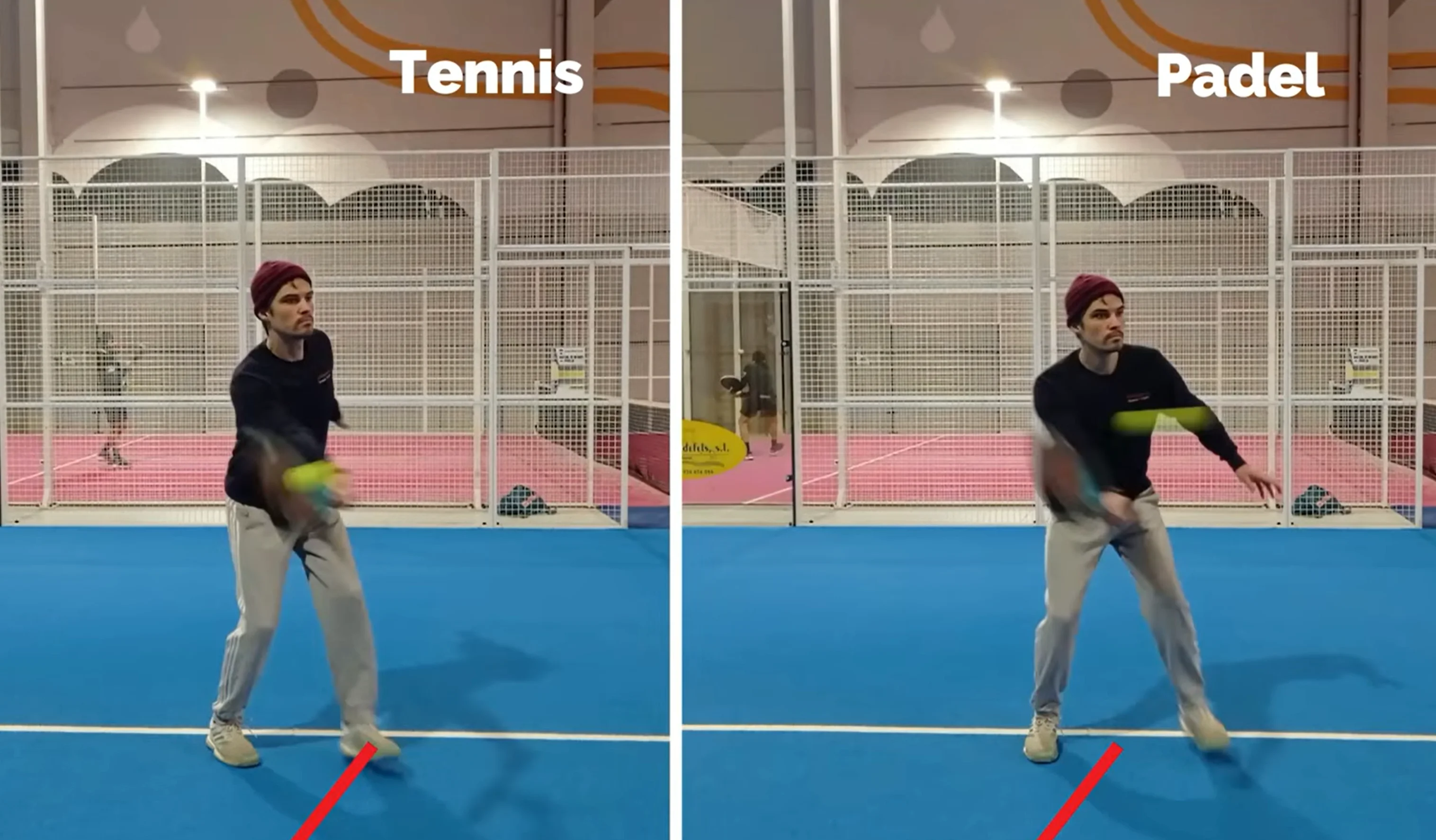
Tennis can be singles or doubles, focusing on individual skill. Padel is mainly played in doubles, emphasizing communication. Padel players coordinate movements and shot selection closely. Strategy in padel involves positioning and using walls to outsmart opponents.
Credit: padel-magazine.co.uk
Strategy And Tactics
Strategy and tactics shape how players approach tennis and padel. Both sports need smart planning but differ in style and focus. Understanding these differences helps players improve their game and enjoy each sport more.
Positioning And Court Use
Tennis players often cover a larger court area. They move back and forth to control rallies. Players aim to hit deep shots and force errors.
Padel players use a smaller court with walls. They take advantage of wall rebounds to extend points. Positioning near the net is common for offensive play.
Shot Selection And Play Style
Tennis emphasizes powerful serves and groundstrokes. Players use topspin and slice to control the ball. Quick volleys and lobs change the pace.
Padel focuses on placement and angles. Shots like bandejas and viboras keep opponents off balance. Using walls adds complexity to shot choices.
Communication And Teamwork
Tennis is often singles or doubles, but doubles require strong team coordination. Players communicate to cover the court efficiently.
Padel is mostly played in doubles. Constant communication is vital to cover angles. Teams plan plays and support each other during rallies.
Learning Curve
The learning curve for tennis and padel shows clear differences in how quickly new players pick up each sport. Tennis often requires more time to develop strong skills and stamina. Padel, on the other hand, allows beginners to enjoy the game faster and feel competitive sooner.
Padel’s smaller court and simpler techniques reduce the initial difficulty. Tennis demands mastering various strokes, footwork, and power control, which can take months to learn well. Understanding these differences helps players choose which sport suits their learning style and goals.
Why Padel Is Easier
- Court Size: The smaller court means less running and easier ball control.
- Rackets & Ball: Solid rackets without strings are easier to handle. The padel ball moves slower due to lower pressure.
- Underhand Serve: Starting with an underhand serve simplifies play and reduces stress on the arm.
- Walls: Glass walls keep the ball in play longer, allowing more time to react.
- Doubles Play: Almost always played in doubles, promoting teamwork and social interaction.
Tennis Challenges
- Requires strong power and stamina for long rallies and fast shots.
- Complex swing techniques take time and practice to master.
- Larger court demands more movement and endurance.
- Overhand serves can be difficult for beginners to perform consistently.
- Playing singles often requires more individual skill and fitness.
Social Aspects
Social aspects play a big role in choosing between tennis and padel. Both sports bring people together but in different ways. Understanding these differences helps players pick what suits their social style best.
Padel Encourages Teamwork And Interaction
Padel is mostly played in doubles. This means players work closely with a partner. They communicate often during the game. This builds strong social bonds quickly. The smaller court also keeps players near each other. This closeness makes talking and laughing easier.
Tennis Offers Both Solo And Social Play
Tennis can be singles or doubles. Singles tennis focuses on individual skill and endurance. Doubles tennis brings teamwork but with more space between players. Social interaction is less constant than in padel. Tennis players may spend more time alone during practice or matches.
Community And Accessibility Differences
Padel courts are often in clubs that promote social events. These clubs host group lessons and tournaments that welcome players of all levels. Tennis clubs also have social events but often with a more competitive feel. Padel’s friendly environment attracts beginners and casual players easily.
Equipment Costs
Equipment costs differ between tennis and padel due to their unique gear needs. Tennis requires stringed rackets and specific balls, which tend to be pricier. Padel uses solid rackets and lower-pressure balls, often making its equipment more affordable and beginner-friendly.
Equipment costs differ between tennis and padel. Each sport requires specific gear that affects the overall price.
Understanding these costs helps players choose the right sport for their budget and needs.
Tennis Equipment Costs
Tennis rackets usually cost between $50 and $300. High-end models can be more expensive.
Tennis balls come in cans of three or four and cost around $2 to $5 per can.
Players also need proper tennis shoes, which range from $50 to $150.
Additional gear like grips, strings, and bags add to the cost.
Padel Equipment Costs
Padel rackets are generally cheaper, costing from $40 to $200.
Padel balls are similar in price to tennis balls but have slightly lower pressure.
Shoes made for padel provide extra support and cost between $60 and $140.
Fewer accessories are needed for padel, reducing overall expenses.
Comparing Overall Expenses
Tennis equipment tends to cost more upfront and over time.
Padel offers a more budget-friendly option without sacrificing quality.
Choosing between the two depends on your budget and playing preferences.
Popularity And Growth
Popularity and growth highlight how tennis and padel attract players worldwide. Both sports have unique appeal and expanding fan bases. Their growth reflects cultural preferences and accessibility.
Global Reach Of Tennis
Tennis is one of the oldest and most established racket sports. It has a strong presence in many countries, especially Europe, North America, and Australia. Major tournaments like Wimbledon and the US Open boost its visibility. Tennis has millions of players and fans worldwide. Its long history and professional circuit contribute to its steady popularity.
Rapid Rise Of Padel
Padel has gained fast popularity, especially in Spain and Latin America. Its easy-to-learn nature attracts new players quickly. The sport’s smaller courts and social doubles format make it friendly for all ages. Padel clubs and courts are increasing rapidly in Europe. This growth shows a rising interest in alternative racket sports.
Factors Driving Growth
Accessibility plays a key role in padel’s expansion. Smaller courts require less space and investment than tennis courts. Padel’s social and fun style appeals to casual players. Tennis growth depends on tradition, strong coaching, and professional tournaments. Both sports benefit from media coverage and local clubs promoting play.
Indoor Vs Outdoor Play
Playing tennis and padel differs greatly depending on the setting. Indoor and outdoor environments change how each sport feels and plays. The court surface, lighting, and weather all affect the experience. Both sports adapt well to indoor and outdoor play, but each has unique traits in these spaces.
Understanding these differences helps players choose the best place to play. The choice influences game speed, ball behavior, and player comfort. Exploring indoor vs outdoor play shows clear contrasts between tennis and padel.
Indoor Play In Tennis And Padel
Indoor courts protect players from wind and rain. This creates a stable environment for both sports. Tennis indoors means no weather interruptions and consistent ball bounce. Lighting is controlled, helping players see the ball better.
Padel indoor courts often have glass walls around the court. These walls are part of the game, allowing the ball to bounce back. Indoors, the sound of the ball hitting the walls is clearer. The air is usually calm, making shots more predictable.
Outdoor Play In Tennis And Padel
Outdoor tennis courts expose players to sun, wind, and changing conditions. Wind can change ball direction quickly. Sunlight may cause glare, affecting player vision. Outdoor courts have natural light and fresh air, which some players prefer.
Outdoor padel courts also face wind and weather changes. The glass walls can become slippery if wet, affecting play. Sunlight can create shadows on the court. Players must adjust to these changes during the game.
Impact Of Environment On Gameplay
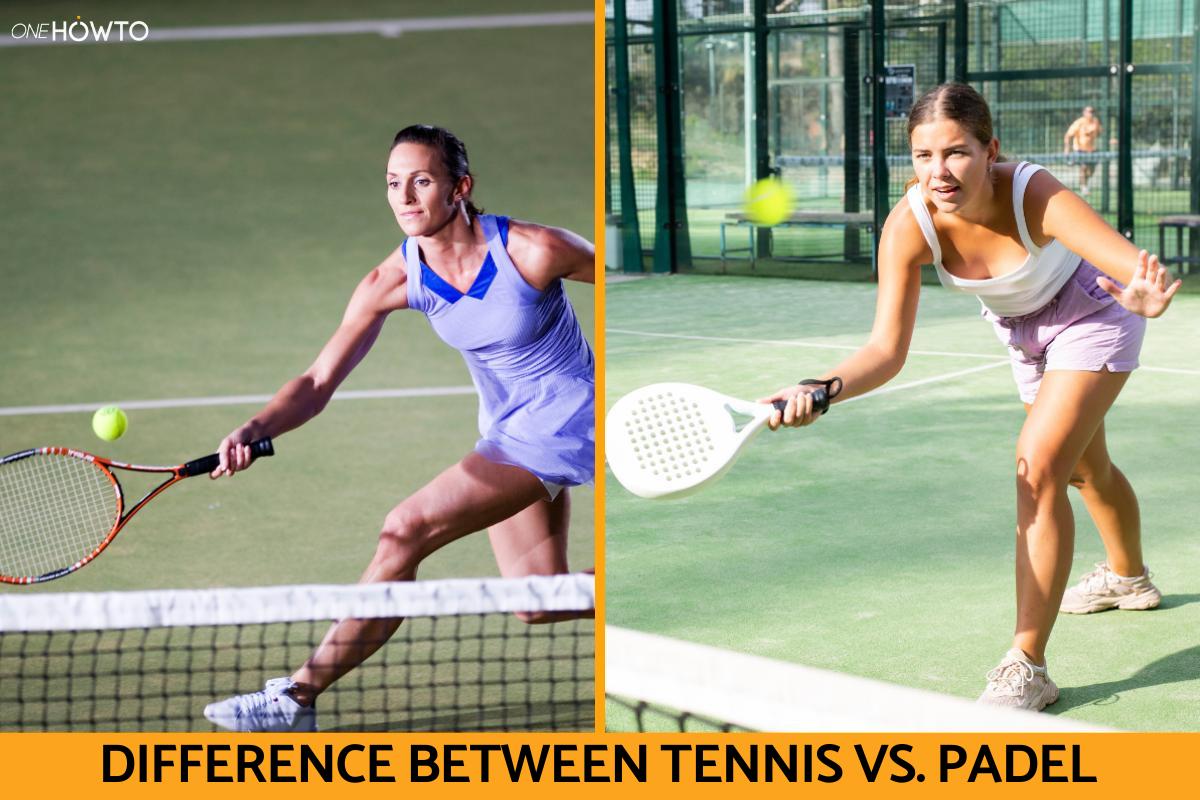
Indoor play usually means faster reaction times. Tennis balls move more predictably indoors. Padel rallies tend to last longer inside due to controlled conditions.
Outdoor play requires more adaptability. Wind can slow or speed up tennis balls. Padel players must watch for wind affecting ball bounce on the walls. Outdoor games may be more physically demanding due to weather.
Credit: sport.onehowto.com
Common Injuries
Both tennis and padel are exciting sports that involve fast movements and quick reflexes. Players often face injuries due to the physical demands of these games. Knowing common injuries helps players prevent them and play safely. The types of injuries may differ because of the unique ways each sport is played.
Common Injuries In Tennis
Tennis players often suffer from tennis elbow. This injury causes pain around the elbow from repetitive arm motions. Wrist strains are also frequent due to strong racket swings. Ankle sprains happen from sudden changes in direction on a large court. Shoulder injuries occur because of powerful serves and overhead shots. Knee pain can develop from constant running and jumping on hard surfaces.
Common Injuries In Padel
Padel players face wrist and elbow pain from frequent racket use. Knee injuries are common due to quick lateral movements on the smaller court. Ankle sprains often result from fast stops and direction changes. Shoulder discomfort can appear from frequent overhead shots and smashes. Back strains happen because of bending and twisting during play.
Differences In Injury Risks
Tennis requires longer runs and more power, leading to more stress on knees and shoulders. Padel involves quick, sharp movements, increasing ankle and knee injury risks. Tennis players use a heavier racket and hit harder, causing more arm and elbow problems. Padel’s smaller court means less running but more sudden stops and turns.
Transitioning Between Sports
Transitioning between tennis and padel offers a unique challenge for players. Both sports share similarities but require different skills and adjustments. Understanding these differences helps players adapt faster and enjoy both games.
Players moving from tennis to padel must adapt to a smaller court and different racket style. The play pace in padel is often quicker due to the walls and court size. Tennis players need to change their shot strategies and movement patterns.
Conversely, padel players moving to tennis face a larger court and a heavier racket with strings. Tennis demands more power and endurance. Players need to improve their serve technique and court coverage for effective play.
Adjusting To Court Size And Layout
Tennis courts are much larger than padel courts. This change affects how players move and position themselves. Padel players must learn to cover more ground in tennis. Tennis players must get used to the tight space and walls in padel.
Racket And Ball Differences
Padel rackets are solid and smaller without strings. Tennis rackets are larger with strings and require different handling. Padel balls have less pressure, making them slower. Tennis balls move faster and need stronger hits.
Serving Techniques
Tennis uses an overhand serve that requires power and precision. Padel uses an underhand serve, which is simpler and easier for beginners. Tennis players must adjust to the underhand serve in padel. Padel players need to practice the powerful overhand serve for tennis.
Movement And Strategy Changes
Padel relies on quick reflexes and strategic use of walls. Tennis emphasizes endurance and wide court coverage. Players must develop new tactics to suit each sport’s style. Communication is key in padel doubles, unlike singles tennis.

Credit: www.youtube.com
Choosing Your Sport
Tennis uses a larger court and requires powerful, precise swings, while padel is played on a smaller court with walls. Padel rackets are solid and easier to handle, and the game focuses more on strategy and teamwork.
Picking between tennis and padel depends on your preferences and goals. Both sports offer fun and exercise but differ in style and difficulty.
Tennis needs more power and stamina. Padel focuses on strategy and teamwork. Consider what suits your fitness level and social needs.
Padel’s Accessibility And Ease
Padel courts are smaller, making movement easier. The rackets are solid and lighter, so beginners control shots better.
The underhand serve in padel is simple to learn. Players use walls to keep the ball in play longer. This creates fun, longer rallies with less running.
Padel is mostly played in doubles. This encourages communication and makes the game social and engaging.
Tennis: Physical And Technical Demands
Tennis requires strong swings and good stamina to cover the larger court. It challenges players to develop precise techniques.
The overhand serve in tennis needs practice to master. Singles play means more running and endurance is key.
Players who enjoy fast-paced, physically demanding sports often prefer tennis.
Social And Fitness Considerations
Padel suits players who want a social, less intense workout. The teamwork aspect is great for making friends.
Tennis appeals to those who seek a rigorous fitness challenge. It improves strength, speed, and solo focus.
Think about your fitness goals and whether you want a team or solo sport.
Frequently Asked Questions
Is Padel Easier To Play Than Tennis?
Padel is generally easier to learn than tennis due to its smaller court, underhand serve, and use of walls. It requires less power and running, focusing more on strategy and teamwork. Beginners often enjoy padel quickly, while tennis demands more technical skills and stamina.
What Is Padel Called In The Usa?
Padel is called “padel” in the USA, sometimes referred to as “padel tennis. ” The name remains consistent internationally.
Why Do People Play Padel Instead Of Tennis?
People play padel instead of tennis because it’s easier, more social, played on a smaller court, and uses simpler techniques. Padel emphasizes strategy and longer rallies, requiring less power and stamina than tennis. This makes padel more accessible and fun for beginners and casual players.
Is Padel Closer To Tennis Or Pickleball?
Padel is closer to tennis than pickleball. It shares similar scoring and court shape but uses walls and smaller courts.
What Is The Main Difference Between Tennis And Padel?
Tennis is played on a larger court with open sides, while padel uses a smaller enclosed court with walls.
How Do Tennis And Padel Rackets Differ?
Tennis rackets have strings and a larger head, padel rackets are solid, smaller, and stringless.
Which Sport Is Easier To Learn, Tennis Or Padel?
Padel is easier for beginners due to its smaller court and simpler serve style.
How Do The Courts In Tennis And Padel Compare?
Tennis courts are bigger and open, padel courts are smaller and surrounded by glass walls.
What Type Of Serve Is Used In Tennis Versus Padel?
Tennis uses an overhand serve, while padel uses a simpler underhand serve.
Can Padel Balls Be Used In Tennis?
No, padel balls have less pressure and are slower than tennis balls.
Conclusion
Tennis and padel share many similarities but differ in key ways. Padel uses smaller courts and solid rackets, making it easier to learn. Tennis demands more power, stamina, and skill with its larger court and stringed rackets. Padel’s walls add a unique strategic element not found in tennis.
Both sports offer great exercise and social interaction. Choosing between them depends on your style and goals. Whether you prefer fast-paced rallies or longer, powerful shots, both sports provide fun and challenge. Try both to see which suits you best.