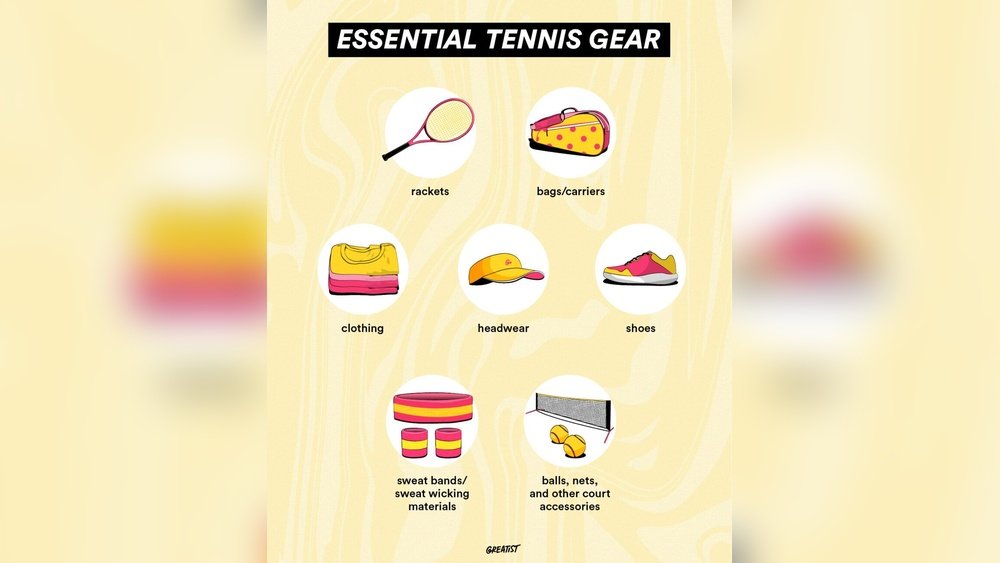
Are you ready to hit the tennis court but wondering what gear you actually need? Whether you’re just starting out or looking to upgrade your equipment, having the right tennis gear can make all the difference in your game.
From choosing the perfect racket to picking shoes that keep you steady during quick moves, every piece matters. In this guide, you’ll discover exactly what equipment you need to play tennis comfortably and confidently. Keep reading to make sure you’re fully prepared to serve, volley, and score like a pro!
Tennis Racket
The tennis racket is the most important piece of equipment in tennis. It affects your control, power, and comfort on the court. Choosing the right racket can improve your play and reduce injury risk. Understanding its parts helps in making a better choice.
Choosing The Right Weight
Rackets come in different weights, from light to heavy. Light rackets are easier to swing and good for beginners. Heavy rackets offer more power and stability but need strength to use. Pick a weight that feels comfortable and suits your playing style.
Grip Size Options
The grip size is the circumference of the handle. A proper grip size prevents hand strain and helps control. Measure your hand or try different sizes to find the best fit. Too small or too large grips can cause discomfort or injury.
Head Size Variations
Racket heads vary from small to large. Larger heads provide a bigger sweet spot and more power. Smaller heads offer better precision and control. Beginners may prefer larger heads, while advanced players choose smaller ones for accuracy.
Types Of Strings
Strings affect how the ball responds during play. Natural gut strings give good feel and comfort but cost more. Synthetic strings are affordable and durable, with different levels of tension. Polyester strings are tough and good for spin. Choose strings based on your needs and budget.
Tennis Balls
Tennis balls are a vital part of the game. They affect how the ball moves and how you play. Choosing the right tennis ball helps improve your performance and enjoyment. Different types of balls suit various court surfaces and player levels.
Pressurized Vs Pressureless
Pressurized balls have air inside to keep them bouncy. They feel lively and fast on the court. These balls provide good control and spin. Pressureless balls do not have air inside. They rely on their rubber shell for bounce. Pressureless balls last longer but feel heavier and less lively.
Ball Durability
Pressurized balls lose bounce quickly as air escapes. They need frequent replacement for best play. Pressureless balls keep their bounce for a longer time. They are good for practice and casual play. Felt covering can wear out with use. Balls that lose felt grip will not perform well.
Choosing The Right Ball Type
Match balls meet official size and weight rules. Practice balls are more durable and cheaper. Some balls suit hard courts better, others fit clay or grass. Beginners benefit from slower balls with extra grip. Advanced players often prefer faster balls for speed and control.
Tennis Shoes
Tennis shoes are vital for playing comfortably and safely. They provide the right grip, support, and movement for the court. Choosing the right shoes helps prevent injuries and improves your play. Each type of tennis court needs specific shoes designed to match the surface. Understanding shoe features helps pick the best option for your needs.
Court-specific Shoes
Tennis courts come in different types: hard, clay, and grass. Each surface requires shoes designed to handle its unique texture and traction. Hard court shoes have durable soles to withstand rough surfaces. Clay court shoes feature soles with herringbone patterns to prevent slipping. Grass court shoes have nubs for extra grip on slippery grass. Wearing court-specific shoes improves movement and reduces injury risk.
Lateral Support Importance
Tennis involves quick side-to-side movements. Shoes with strong lateral support keep your feet stable during these moves. Good support helps avoid ankle twists and sprains. Look for shoes with reinforced sides and cushioned collars. Proper lateral support protects your feet and helps you change direction fast and safely.
Sole Types And Traction
The sole of a tennis shoe affects your traction on the court. Rubber soles provide good grip and durability. Look for soles designed to grip the court surface well. Different sole patterns help with stopping and starting quickly. A shoe with the right sole reduces slipping and improves your balance. Always choose soles made for your court type and playing style.
Apparel
Choosing the right apparel is key to playing tennis comfortably and effectively. The clothes should help keep you cool, allow easy movement, and protect you from the weather. Good tennis apparel supports your performance on the court without causing distractions.
Breathable Fabrics
Breathable fabrics let air flow through, keeping your body cool. Materials like cotton blends and polyester wick away sweat fast. This helps prevent overheating and skin irritation during long matches. Lightweight clothing improves comfort and focus while playing.
Comfort And Mobility
Clothes should fit well without being tight or loose. Stretchy fabrics allow full arm and leg movement for swings and quick steps. Look for tennis shirts and shorts with flexible seams. Comfortable apparel reduces chafing and lets you move freely on the court.
Weather Considerations
Dress for the weather to stay safe and comfortable. On hot days, wear light colors and sun-protective fabrics. For cooler weather, layer with a light jacket or long sleeves. Rain-resistant materials help keep you dry during sudden showers. Proper apparel prevents discomfort and distractions.
Grips And Overgrips
Grips and overgrips play a key role in tennis equipment. They wrap around the handle of your racket. Their main job is to improve comfort and control during play. Choosing the right grip can help you hold the racket firmly and avoid slips. Overgrips add extra cushioning and absorb sweat, keeping your hands dry. Both grips and overgrips come in different materials and thicknesses. Picking the right one depends on personal preference and playing style.
Improving Hold
Grips help players hold the racket tightly. A secure hold means better control over shots. It prevents the racket from twisting in your hand. Overgrips add a soft layer for a better feel. They make the handle less slippery. This helps during fast swings and long rallies.
Sweat Absorption
Sweat can make your hands slippery. Overgrips absorb moisture to keep your grip dry. Dry hands improve your confidence on the court. Some overgrips have special materials to wick sweat away. This reduces the chance of the racket slipping. It helps players stay focused on the game.
Replacing Grips
Grips wear out over time and lose their effectiveness. Replace your grip when it feels hard or slippery. Overgrips are cheaper and easier to replace often. Removing old grips and adding new ones keeps your racket comfortable. Fresh grips improve performance and reduce hand fatigue. Changing grips regularly is a smart way to maintain your gear.
Vibration Dampeners
Vibration dampeners are small devices that attach to tennis racket strings. They help reduce the shock felt in the hand after hitting the ball. Many players use them to improve comfort and protect their arms during play. These accessories come in various shapes and materials, allowing customization to personal preference.
Reducing Shock
Dampeners absorb some of the vibrations caused by ball impact. This reduces the strain on your wrist and elbow. Players often feel less discomfort, especially during long matches. Using a dampener can help prevent injuries linked to repeated shock.
Noise Minimizing Options
Some vibration dampeners also lower the noise made by the racket strings. This can make your shots quieter and less distracting. Different materials like rubber or silicone offer varying sound reduction. Choose a dampener that suits both your comfort and noise preference.
Placement Tips
Place the vibration dampener between the main strings near the racket throat. This spot absorbs vibrations most effectively. Ensure it fits snugly to avoid slipping during play. Some players use multiple dampeners for extra shock control, but one is usually enough.
Tennis Bags
Tennis bags are essential for every player. They keep your gear safe and easy to carry. Choosing the right bag helps you stay organized and ready for the match. A good tennis bag fits your equipment and personal style. It protects your rackets and other items from damage.
Types Of Bags
Tennis bags come in different styles. Backpack bags offer hands-free carrying and good comfort. Tote bags are simple and easy to use for casual players. Wheel bags have wheels to carry heavy gear with less effort. Duffel bags provide large space and are popular for tournaments.
Storage Capacity
Storage size varies by bag type and brand. Small bags hold one or two rackets and a few accessories. Medium bags fit three to four rackets and extra items. Large bags can carry six or more rackets and clothes. Choose a bag that fits your gear and match needs.
Organizational Features
Good tennis bags have many pockets and compartments. Separate racket compartments protect strings from damage. Pockets for balls, shoes, and water bottles keep things neat. Some bags include insulated pockets to keep drinks cool. Easy access compartments save time during matches.

Credit: www.shopdoubletake.com
Headbands And Wristbands
Headbands and wristbands are simple yet important accessories in tennis. They keep sweat away from your eyes and hands. This helps you stay focused and maintain a good grip on your racket. Wearing them also adds comfort during long matches or practice sessions.
Sweat Management
Headbands catch sweat before it drips into your eyes. Wristbands absorb sweat from your arms and hands. This stops sweat from making your racket handle slippery. Both help keep your vision clear and your grip firm. They reduce distractions caused by sweat during play.
Material Choices
Most headbands and wristbands use cotton or terry cloth. These materials soak up sweat well. Some use synthetic fabrics that dry quickly. Choose soft, stretchy fabrics for comfort and fit. Breathable materials prevent overheating. Durable fabrics last through many washes and games.
Style Options
Headbands and wristbands come in many colors and designs. Pick colors that match your outfit or team. Some have logos or patterns for a sporty look. You can wear simple or bold styles to express yourself. Comfortable fit and style both matter on the court.
Sunscreen And Sun Protection
Playing tennis often means spending long hours under the sun. Protecting your skin and eyes is as important as choosing the right racket. Sunscreen and sun protection keep you safe from harmful UV rays and help you stay comfortable on the court. Proper sun protection also reduces the risk of sunburn and skin damage.
Choosing Sunscreen
Pick a sunscreen with at least SPF 30. It blocks most UV rays and protects your skin well. Use a broad-spectrum sunscreen to shield against both UVA and UVB rays. Apply it 15 minutes before playing and reapply every two hours. Sweat and wiping can reduce its effect, so keep it handy. Choose water-resistant formulas made for sports. They stay longer on sweaty skin.
Hats And Visors
Wear a hat or visor to shield your face and eyes from direct sunlight. Lightweight hats with wide brims offer the best coverage. Visors keep your head cool and protect your eyes without blocking airflow. Both help reduce glare and prevent sunburn on your scalp and forehead. Pick breathable materials to stay cool during play.
Sunglasses For Tennis
Sunglasses help protect your eyes from UV damage and reduce glare. Look for sunglasses with 100% UV protection. Wraparound styles block sunlight from the sides. Choose lightweight and durable frames for active movement. Polarized lenses cut glare off shiny surfaces like the court. This improves your vision and focus during matches.
Ball Machines
Ball machines are useful tools for tennis players. They help practice strokes and improve timing. Players can train alone without a partner. These machines shoot tennis balls at different speeds and angles. Using a ball machine increases consistency and endurance. They offer a controlled environment to focus on technique.
Training Benefits
Ball machines provide steady ball delivery for repeated practice. They help build muscle memory and improve footwork. Players can practice different shots like volleys, groundstrokes, and serves. They allow players to train at their own pace. Regular use enhances reaction time and accuracy. Ball machines also help develop endurance by providing continuous play.
Types Of Machines
There are several types of ball machines available. Some shoot balls in a fixed pattern for basic drills. Others offer oscillation to vary ball placement. Advanced machines have programmable settings for speed, spin, and height. Portable models are lightweight and easy to move. Larger machines often hold more balls for longer sessions. Choose a machine based on your training needs and budget.
Usage Tips
Place the ball machine behind the baseline for most drills. Start with slow speeds to focus on form. Gradually increase speed to challenge your reactions. Use oscillation to practice moving side to side. Wear proper tennis shoes to prevent slipping. Always pick up balls to keep the court safe. Regularly check machine settings for consistent practice.
Tennis Nets
The tennis net is a key part of every tennis court. It divides the court into two halves. Players hit the ball over the net during the game. A good tennis net should be strong and properly sized. It must stay tight and at the right height for fair play. Understanding the net’s size, how to install it, and how to care for it helps keep your court ready for play.
Standard Dimensions
The tennis net should be 42 feet (12.8 meters) wide. The height is 3 feet (0.914 meters) at the center. The net is slightly higher at the posts, about 3 feet 6 inches (1.07 meters). The net must stretch across the entire court width. The center strap keeps the net at the correct height in the middle.
Installation Tips
Install the net between two strong posts. Posts should be 3 feet 6 inches tall. Attach the net tightly to avoid sagging. Use a center strap to hold the net’s middle down. Check that the net is straight and level. Tighten the cables or ropes as needed. Proper tension keeps the net firm for play.
Maintenance
Regularly check the net for tears or holes. Repair small damages quickly to prevent bigger problems. Clean the net with mild soap and water. Avoid harsh chemicals that can weaken the material. Store the net indoors during bad weather or off-season. Proper care extends the net’s life and keeps it safe.
Court Lines
Court lines define the playing area in tennis. They guide players on where to serve and hit the ball. Clear, visible lines keep the game fair and organized. Every tennis court has specific lines with unique purposes. Understanding these lines helps players follow the rules and enjoy the game.
Marking Boundaries
Court lines mark the limits of the tennis court. The sidelines and baselines set the outer boundaries. Service lines create the service boxes. The center service line divides the service area into two halves. These lines ensure players know where the ball is in or out. Accurate boundary marking prevents disputes during matches.
Materials Used
Lines on tennis courts use durable materials for clear visibility. Commonly, white paint is applied on asphalt or concrete courts. Tape lines are popular for temporary or indoor courts. Some courts use thermoplastic or epoxy paint for long-lasting marks. The materials must resist weather, wear, and cleaning. Bright white color helps players see the lines easily.
Regulations
The International Tennis Federation sets rules for court lines. Line widths must be exactly 2 inches (5 cm). The lines are part of the court area they border. For example, the baseline counts as in the court. Lines must be straight and visible from all angles. Proper line marking keeps the game fair and official.
Windbreaks And Windscreens
Windbreaks and windscreens are important accessories for outdoor tennis courts. They help create a better playing environment by controlling the effects of wind. These screens can improve player focus and ball control during matches. Proper use of windbreaks and windscreens enhances comfort and performance on the court.
Reducing Wind Impact
Windbreaks reduce the wind’s strength on the court. They block strong gusts that can change ball direction. This helps players make more accurate shots. Windscreens create a stable environment for consistent play. They also reduce distractions caused by blowing debris and noise.
Installation On Outdoor Courts
Installing windbreaks is simple and effective. They are usually attached to fences around the court. Use clips or ties to secure the screens tightly. Make sure the material covers the entire fence area. Proper installation prevents the screen from flapping in the wind. This keeps the court safe and comfortable.
Material Durability
Windbreaks are made from strong, weather-resistant fabrics. Common materials include mesh and vinyl. These materials allow air to pass through while blocking wind. Durable fabrics last through sun, rain, and snow. Choose screens with UV protection to prevent fading. Good quality materials save money by lasting longer.
Credit: mytennishq.com
Hydration Gear
Hydration plays a key role in tennis performance. Players lose fluids quickly through sweat. Proper hydration keeps energy levels high and prevents cramps. Choosing the right hydration gear is essential for every tennis player. It helps maintain focus and stamina during matches and practice sessions.
Water Bottles
Water bottles are the most basic hydration tool. Look for bottles that are easy to open and close. Insulated bottles keep water cool for hours. Durable plastic or stainless steel bottles work well on the court. A good water bottle encourages regular sipping between games.
Electrolyte Drinks
Electrolyte drinks replace lost salts and minerals. They help maintain balance in the body. Sports drinks with electrolytes are better than plain water during long sessions. Choose low-sugar options to avoid energy crashes. Electrolyte powders or tablets can be mixed with water easily.
Carrying Options
Carrying hydration gear matters for convenience and comfort. Tennis bags often have special pockets for bottles. Some players use belt packs or hydration backpacks. These options allow hands-free movement on court. Choose what fits your style and keeps drinks within reach.
Towels
Towels play a key role in tennis matches and practice sessions. They help players stay dry and comfortable. Using the right towel improves focus and performance on the court. Choosing the best towel depends on several factors such as sweat management, material, size, and portability.
Sweat Management
Towels absorb sweat quickly to keep your hands and face dry. Dry skin helps maintain a firm racket grip. A towel that dries fast reduces discomfort during intense play. Some towels have special textures to boost absorption. Carrying a towel prevents sweat from dripping into your eyes. This keeps your vision clear and your game sharp.
Material Choices
Cotton towels are soft and absorbent but take longer to dry. Microfiber towels dry faster and feel light. They also resist odors and bacteria better than cotton. Many players prefer microfiber for its durability and quick-dry features. Some towels combine cotton and synthetic fibers for a balance of comfort and performance. Choosing the right material affects how your towel performs on the court.
Size And Portability
Towels come in various sizes, from small hand towels to larger ones. Smaller towels fit easily in tennis bags and pockets. Large towels offer more coverage for the body after a match. Lightweight towels are easier to carry during long sessions. Compact towels dry quickly and take less space. Pick a size that suits your needs without adding extra weight.
Snacks And Nutrition
Proper snacks and nutrition play a key role in tennis performance. Players need steady energy and quick recovery to stay at their best. Choosing the right foods helps maintain focus and strength during matches. Planning snack timing and packing portable options ensures nourishment is always within reach.
Energy-boosting Snacks
Pick snacks rich in carbohydrates and protein. Fruits like bananas and apples provide natural sugars and vitamins. Nuts and yogurt offer protein for muscle repair. Granola bars with oats give lasting energy. Avoid heavy or greasy foods that slow you down.
Timing Intake
Eat a small snack 30 to 60 minutes before playing. This fuels muscles and raises blood sugar. During long matches, have quick snacks every hour to keep energy steady. After playing, consume protein and carbs within 30 minutes to aid recovery.
Portable Options
Choose snacks easy to carry and eat on the court. Trail mix, dried fruit, and energy gels fit in pockets or bags. Single-serve nut butter packs or small cheese sticks work well too. Keep water or sports drinks handy to stay hydrated.
Protective Gear
Protective gear plays a vital role in tennis. It helps players avoid injuries and stay comfortable during matches. Wearing the right supports and braces reduces strain on joints. This gear is especially important for beginners and those who play frequently. Protective items fit easily under clothing and do not limit movement.
Knee And Elbow Supports
Knee and elbow supports help stabilize joints during quick movements. They provide compression to reduce pain and swelling. Players with past injuries benefit from extra support. These braces also help prevent overuse injuries. Lightweight and flexible designs keep players agile on the court.
Ankle Braces
Ankle braces protect against twists and sprains. Tennis requires fast lateral moves that can strain ankles. Wearing braces lowers the risk of rolling or twisting the ankle. They offer firm support without blocking mobility. Many players use ankle braces as a precaution for better confidence.
Preventing Injuries
Proper protective gear lowers injury chances significantly. Supports and braces reduce stress on muscles and joints. This allows players to perform longer with less discomfort. Taking care of your body means more matches and better enjoyment. Always choose gear that fits well and feels comfortable.

Credit: news.bbc.co.uk
Training Aids
Training aids improve tennis skills and physical fitness. They help players practice specific movements and build strength. Using training aids can enhance speed, agility, and control on the court. Each tool focuses on a different aspect of tennis training.
Resistance Bands
Resistance bands add strength training to tennis workouts. They help improve muscle power and endurance. Players use them for arm, shoulder, and leg exercises. Resistance bands are lightweight and easy to carry. They increase resistance during swings and footwork drills.
Target Cones
Target cones improve accuracy and shot placement. Placing cones on the court creates aiming points. Players practice hitting balls to specific spots. This trains precision and control during matches. Cones also help with footwork patterns and positioning.
Agility Ladders
Agility ladders boost quick foot movements and coordination. Players run through ladder rungs with fast steps. This drills improve speed and balance for sudden direction changes. Agility ladders build faster reactions during play. They are simple but effective training tools.
Stringing Machines
Stringing machines play an important role in maintaining tennis rackets. They allow players to replace worn or broken strings with ease. Well-strung rackets improve control, power, and feel during play. Having access to a stringing machine helps players keep their equipment in top condition.
Benefits For Players
Stringing machines let players customize string tension. This affects ball control and power. Players save money by restringing rackets themselves. Quick stringing reduces waiting time for repairs. Consistent string tension improves performance on court.
Types Of Machines
Manual stringing machines require hand power to tension strings. They are affordable and portable. Electronic machines use motors to apply precise tension. These are more expensive but offer accuracy. Drop weight machines use gravity for tension control. Each type suits different budgets and needs.
Diy Stringing Tips
Use a proper stringing guide for your racket model. Measure string tension carefully for best results. Replace strings regularly to avoid breakage during play. Keep your machine clean to ensure smooth operation. Practice on older rackets before stringing your main one.
Choosing The Right Court
Choosing the right court plays a key role in enjoying tennis and improving skills. The court’s surface, location, and upkeep affect how the ball moves and how players perform. Selecting a court that fits your style and needs makes the game more fun and safer.
Surface Types
Tennis courts come in three main surface types: hard, clay, and grass. Hard courts are made from asphalt or concrete and have a fast, consistent bounce. Clay courts are softer and slow the ball down, giving players more time to react. Grass courts are the fastest, with low and unpredictable bounces. Each surface suits different playing styles and requires specific shoes.
Indoor Vs Outdoor
Indoor courts offer shelter from weather and provide consistent playing conditions year-round. Outdoor courts expose players to wind, sun, and temperature changes. Playing outdoors can be more challenging but also more refreshing. Your choice depends on climate, availability, and personal preference.
Court Maintenance
Well-maintained courts improve safety and play quality. Hard courts need regular cleaning and crack repairs. Clay courts require watering and rolling to keep the surface smooth. Grass courts demand mowing and patching bare spots. Proper maintenance prevents injuries and extends the court’s life.
Frequently Asked Questions
What Equipment Do You Need To Play Tennis?
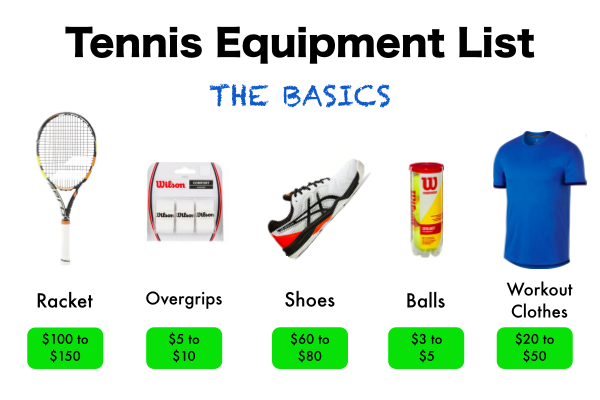
You need a tennis racket, tennis balls, court-appropriate shoes, and breathable athletic apparel. Accessories like grips, dampeners, and sweatbands improve comfort and performance. A tennis court with a net completes the setup for play.
What Does A Tennis Player Need?
A tennis player needs a racket, tennis balls, court-appropriate shoes, breathable athletic apparel, grips, dampeners, and a court with a net.
What Do I Need As A Beginner Tennis Player?
Beginner tennis players need a racket, tennis balls, court shoes, comfortable athletic clothes, and optional grips or dampeners.
What Are The 5 Equipments In Table Tennis And Their Uses?
The five table tennis equipments are paddle (hits the ball), ball (game object), table (playing surface), net (divides players), and shoes (provide grip and support).
What Basic Equipment Is Needed To Play Tennis?
A tennis racket, tennis balls, proper shoes, and comfortable athletic clothes are essential.
How Do I Choose The Right Tennis Racket?
Pick a racket by weight, grip size, head size, and string type for your comfort.
Why Are Tennis Shoes Important For Playing?
Tennis shoes provide support and traction for quick side movements and prevent injuries.
What Type Of Tennis Balls Should I Use?
Use pressurized yellow tennis balls made of rubber with a felt covering for best play.
Are Tennis Grips Necessary On The Racket Handle?
Grips improve hold and absorb sweat, helping you maintain control during matches.
What Is The Purpose Of Vibration Dampeners?
Dampeners reduce string shock and noise, making hits more comfortable and less harsh on arms.
Conclusion
Choosing the right tennis equipment helps you enjoy the sport fully. A good racket, proper shoes, and quality balls make a big difference. Comfortable clothes and useful accessories improve your play and comfort. Don’t forget safety gear like sunscreen and hats for outdoor games.
Simple tools like grips and dampeners can boost your control and reduce strain. Having the right gear prepares you for fun and better performance on the court. Start with basics, then add what fits your style and needs. Tennis becomes easier and more enjoyable with the right equipment.