Are you curious about how tennis and badminton really differ? At first glance, both sports look similar—they use rackets and involve hitting something back and forth over a net.
But when you dive deeper, you’ll see that the differences go beyond just the equipment and playing area. Whether you’re thinking of picking up a racket or just want to understand these popular sports better, knowing what sets tennis and badminton apart can change how you watch or play them.
Keep reading, and you’ll discover the key contrasts in rules, skills, physical demands, and game pace that make each sport unique—and which one might be the perfect fit for you.
Court Size Differences
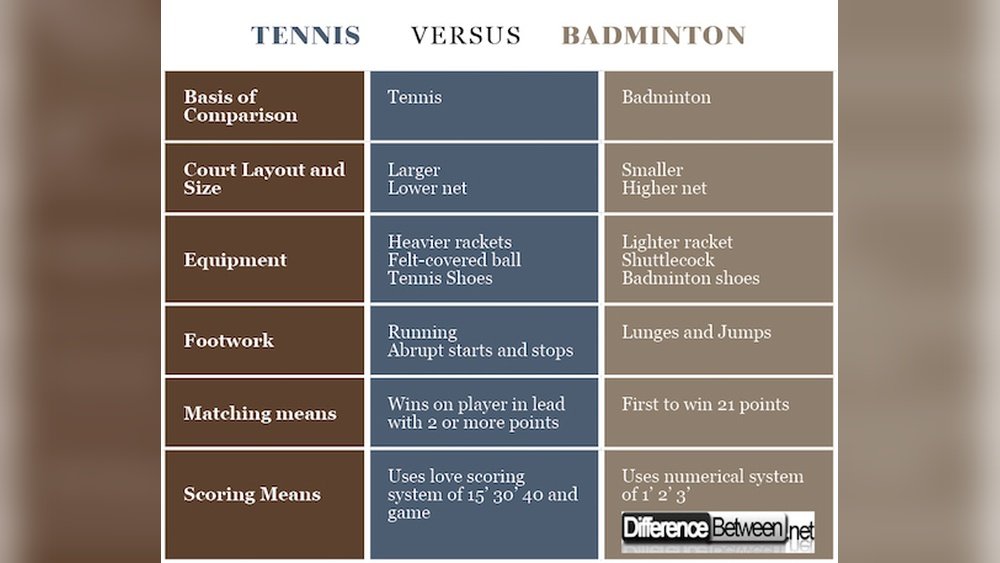
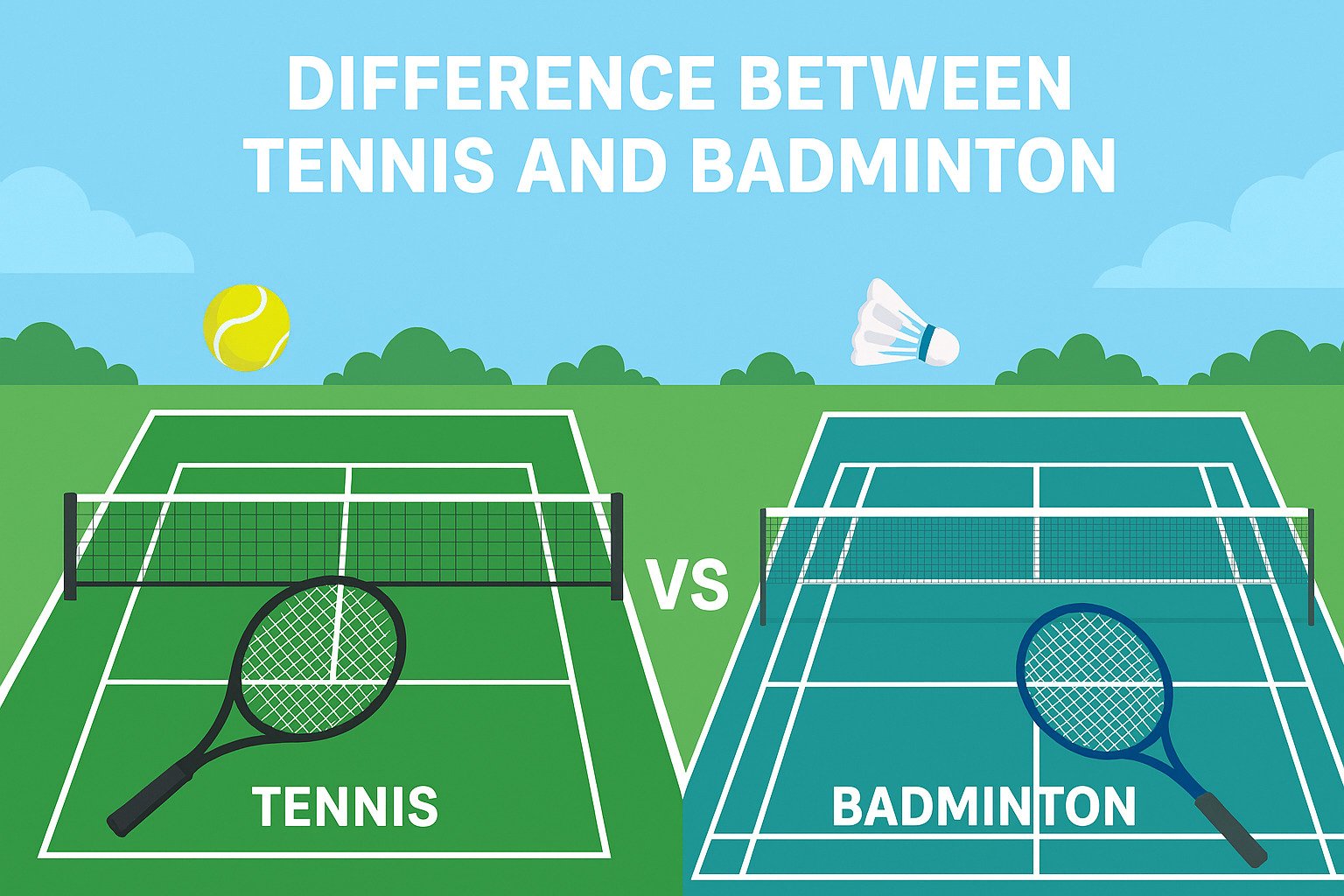
Tennis courts are larger, measuring 78 by 27 feet for singles, while badminton courts are 44 by 17 feet. Tennis uses a hard surface; badminton courts often have wood or synthetic flooring. These size and surface differences affect gameplay speed and player movement.
Court Size Differences Between Tennis And Badminton
The size of the court plays a big role in how tennis and badminton are played. Each sport has its own court dimensions that affect movement, strategy, and game pace.
Tennis courts are much larger than badminton courts. This means tennis players run more during a match. The bigger space also changes how shots are made and returned.
Tennis Court Dimensions
A standard tennis court is 78 feet long and 27 feet wide for singles matches. For doubles, the width increases to 36 feet. The court is divided by a net that stands 3 feet high at the center.
The size requires players to cover a lot of ground. Tennis players often need strong endurance and quick footwork to move around effectively.
Badminton Court Dimensions
Badminton courts measure 44 feet long and 17 feet wide for singles. For doubles, the width is 20 feet. The net height is 5 feet at the center, higher than tennis nets.
The smaller court size means players focus more on speed and quick reflexes. Movements are shorter but faster compared to tennis.
Impact Of Court Size On Play Style
The larger tennis court allows longer rallies and more powerful shots. Players use the space to hit deep and wide.
In badminton, the smaller court leads to rapid exchanges and sharp angles. Players need quick changes in direction and fast reactions.
Each court size demands different physical skills and tactics from players.
Credit: pacecourt.com
Equipment Used
Both tennis and badminton require specific equipment, which shapes how each sport is played. The gear differs greatly in size, weight, and material. This affects player movement and game speed. Understanding these differences helps appreciate each sport’s unique style.
Tennis Rackets
Tennis rackets are larger and heavier than badminton rackets. They have a solid frame with a tightly strung string bed. The typical weight ranges from 270 to 310 grams. The racket’s head is bigger to hit a heavier ball. This makes tennis strokes powerful and long-distance.
Badminton Rackets
Badminton rackets are light and slim, usually weighing between 80 to 100 grams. They have a smaller head and thinner strings. The design focuses on speed and control. Players can swing the racket quickly to hit the fast-moving shuttlecock.
Tennis Balls
Tennis uses felt-covered rubber balls. They are heavier and larger than shuttlecocks. A tennis ball bounces on the court, which changes the pace of the game. The ball’s durability suits outdoor and indoor play.
Badminton Shuttlecocks
Badminton uses shuttlecocks made from feathers or synthetic materials. They are lightweight and aerodynamic. Shuttlecocks do not bounce on the court. Their unique flight pattern demands fast reflexes and precise shots.
Footwear And Other Gear
Both sports require sturdy shoes but with different designs. Tennis shoes have more cushioning and support for running on hard courts. Badminton shoes focus on grip and quick lateral movements on indoor courts. Each sport also uses nets of different heights and court markings.
Racket Variations
The rackets used in tennis and badminton look similar but have key differences. These differences affect how players hold and swing the racket. Understanding racket variations helps to see why each sport feels unique.
Tennis Rackets
Tennis rackets are larger and heavier than badminton rackets. They have a solid frame and a bigger head to hit a heavier ball. The strings are thicker and tighter to handle strong impacts. The grip is thicker to support a firm hold. This design helps players hit powerful shots over a bigger court.
Badminton Rackets
Badminton rackets are lighter and smaller than tennis rackets. They have a slim frame and a smaller head to hit a light shuttlecock. The strings are thinner and more flexible to generate quick shots. The grip is thinner for fast wrist movements. This design helps players react quickly in a faster game.
Material Differences
Tennis rackets use materials like graphite and carbon fiber for strength and durability. Badminton rackets often use lighter materials such as carbon fiber and aluminum. These materials keep the racket light without losing strength. The choice of material changes how the racket feels during play.
Ball Vs Shuttlecock
The main difference between tennis and badminton lies in the object players hit. Tennis uses a ball, while badminton uses a shuttlecock. Each has unique features that affect how the game is played.
The ball in tennis is heavier and bounces on the court. The shuttlecock in badminton is light and cannot touch the ground during play.
Characteristics Of The Tennis Ball
The tennis ball is made of rubber and covered with felt. It weighs about 56 to 59 grams. The ball bounces, which gives players time to react. Its speed varies depending on the hit force. The ball can move fast but slows down after bouncing.
Features Of The Badminton Shuttlecock
The shuttlecock has a cone shape made from feathers or plastic. It weighs about 4.75 to 5.50 grams. The shuttlecock flies fast but slows quickly in the air. It cannot bounce on the ground. Players must hit it before it touches the floor.
Impact On Gameplay
The ball’s bounce allows more time for positioning. Players can prepare for the next move. The shuttlecock’s flight demands faster reflexes. Players must react quickly and move swiftly. This difference changes the pace and style of each sport.
Net Height And Setup
The net height and setup play a key role in how tennis and badminton are played. Both sports use a net to divide the court, but the height and structure differ. These differences affect the style and pace of each sport.
Net Height In Tennis
The tennis net stands 3 feet (91.4 cm) high at the center. It is slightly lower at the posts, about 3.5 feet (107 cm). This height allows the tennis ball to bounce and pass over the net during rallies. Players must hit the ball over the net within these limits.
Net Height In Badminton
Badminton nets are higher than tennis nets. The net height at the center is 5 feet 1 inch (1.55 meters). At the posts, it is 5 feet 1 inch as well. The shuttlecock must clear this higher net without touching it. This height requires precise and fast shots.
Setup And Court Differences
Tennis courts are larger and have a wider net setup. The net stretches across the 27-foot-wide court. The net posts stand outside the court lines. This setup suits the heavier tennis ball and longer rallies.
Badminton courts are smaller, measuring 20 feet in width. The net posts are on the court lines. The net is tighter and higher, fitting the lightweight shuttlecock and fast-paced gameplay.
Credit: blog.playo.co
Serving Rules
The serving rules in tennis and badminton set the tone for each point. Both sports require players to serve correctly to start play. These rules impact strategy and fairness. Understanding them helps players perform better and enjoy the game more.
Serving Rules In Tennis
In tennis, the server stands behind the baseline. The ball must be hit diagonally into the opponent’s service box. The serve must clear the net without touching it. If the ball hits the net but lands in the correct box, it is called a “let,” and the serve is replayed. Players get two chances to serve. If both attempts fail, the opponent wins the point.
Serving Rules In Badminton
Badminton players serve underhand from a specific service court. The shuttlecock must be hit below the server’s waist. The serve must go diagonally to the opponent’s service area. The shuttle cannot touch the net on a serve. Only one serve attempt is allowed per point. The server changes sides after winning a point.
Key Differences In Serving Rules
Tennis servers use an overhead serve with two tries. Badminton servers use an underhand serve with one try. Tennis serves can touch the net if replayed; badminton serves cannot touch the net. The serving areas differ in size and position. These differences reflect each sport’s pace and style.
Scoring Systems
The scoring systems in tennis and badminton shape how each sport is played and experienced. Understanding these systems highlights the pace and strategy unique to each game.
Both sports use points to determine winners, but the way points are counted and matches are structured differs significantly. This affects the length of games and player tactics.
Badminton Scoring System
Badminton matches usually consist of the best of three games. Each game is played to 21 points. Players score a point every time they win a rally, regardless of who served.
If the score reaches 20-20, a player must lead by two points to win. The game can continue until a player gains this two-point lead or reaches 30 points first. The first to 30 points wins that game.
This scoring system keeps the game fast and exciting. It rewards quick reflexes and continuous play without breaks for service changes.
Tennis Scoring System
Tennis uses a unique scoring method with points, games, and sets. Each game is scored as 15, 30, 40, and game point. A player must win four points to win a game.
Players must also win by at least two points. If both players reach 40, it is called deuce. Players then compete to win two consecutive points to take the game.
A set is won by the first player to win six games with a two-game lead. If the score reaches 6-6, a tiebreak is played to decide the set.
Matches are usually best of three or five sets. The scoring system makes tennis matches longer and more strategic.
Ball Bounce Rules
The rules about ball bounce show a clear difference between tennis and badminton. They shape how each sport is played and how players respond during a match.
Understanding these rules helps to see why tennis and badminton feel so different, even though both use rackets and a net.
Ball Bounce Rules In Tennis
In tennis, the ball is allowed to bounce once on your side before you must hit it back. This bounce gives players a moment to prepare their shot. If the ball bounces twice, the point is lost. Wheelchair tennis allows two bounces, but only the first must be inside the court.
The bounce changes the pace and style. Players can use the bounce to aim and time their return shots. It adds strategy and endurance to the sport.
Ball Bounce Rules In Badminton
Badminton does not allow the shuttlecock to touch the floor at all. Players must hit it before it lands. This rule makes the game faster and demands quicker reflexes. The shuttlecock moves rapidly, so players need to react instantly.
The no-bounce rule keeps badminton lively and intense. It requires agility and sharp hand-eye coordination. Every hit counts, with no second chances after a bounce.
Match Duration
Match duration varies greatly between tennis and badminton. Both sports have different scoring systems and rules that affect how long a match lasts. Understanding these differences helps players and fans know what to expect during play.
Tennis Match Duration
Tennis matches do not have a fixed time limit. Matches are played in sets. A player must win six games to win a set. Usually, matches are best of three or best of five sets. This means matches can last from one hour to over five hours. Grand Slam matches for men often last longer because they play best of five sets. The pace is slower because players have time to rest between points.
Badminton Match Duration
Badminton matches are generally shorter than tennis matches. They are played in a best of three games format. Each game goes up to 21 points, and players must win by two points. Games usually last 15 to 25 minutes each. Matches typically end within an hour. The fast pace and quick rallies make badminton more intense but shorter in duration.
Factors Influencing Duration
In tennis, longer rallies and rest periods extend match time. Badminton’s fast exchanges and scoring speed shorten matches. Player skill and playing style also affect duration in both sports. Aggressive play often leads to shorter matches. Defensive styles can make matches last longer.
Physical Demands
Physical demands define how tennis and badminton challenge the body. Both sports require fitness but in different ways. Understanding these needs helps players prepare better and improve performance.
Tennis Physical Demands
Tennis needs more strength and stamina. The court is large, so players run long distances. The ball is heavier than a shuttlecock, requiring more power to hit. Matches can last several hours, testing endurance. Players also need good hand-eye coordination to return fast balls.
Badminton Physical Demands
Badminton demands quick reflexes and explosive speed. The court is smaller, but players move rapidly in short bursts. The shuttlecock flies very fast, so reaction time must be sharp. Agility and precise footwork are essential for sudden direction changes. The game needs strong hand-eye coordination for accurate shots.
Comparison Of Physical Intensity
Tennis tests continuous endurance and power. Badminton focuses on fast, intense movements and quick reflexes. Tennis players cover more ground over time. Badminton players use rapid, high-speed movements. Both require fitness but target different muscle groups and skills.
Movement And Footwork
Movement and footwork are key in both tennis and badminton. Each sport requires players to move quickly and react fast. Yet, the way players move and position their feet is quite different. These differences affect how players train and play.
Movement In Tennis
Tennis players cover a larger court than badminton players. This means they need strong legs and good stamina. Movements include long sprints and quick side steps. Players often shift between offense and defense during rallies. Footwork is steady and balanced to handle powerful shots.
Movement In Badminton
Badminton players move in short, explosive bursts. The court is smaller but demands rapid changes in direction. Players jump, lunge, and dart to reach the shuttlecock. Speed and agility are crucial to keep up with fast shots. Footwork focuses on quick, light steps to stay ready.
Footwork Differences
Tennis footwork uses a variety of steps like the split step and crossover step. These help players reach the ball while staying balanced. In badminton, footwork is more about quick pivots and lunges. Players must return to the center quickly after each shot. Both sports require footwork drills to improve speed and control.
Skill Requirements
Both tennis and badminton require specific skills that shape how players perform. Each sport tests different physical and mental abilities. Understanding these skill requirements helps players choose the sport that fits their strengths and interests.
Physical Strength And Endurance In Tennis
Tennis players need strong muscles to hit powerful shots. The sport demands good stamina because matches last longer. Players run across a large court, needing energy for long rallies. Handling a heavy racket and ball requires solid arm strength. Endurance helps players maintain focus and speed throughout the game.
Agility And Reflexes In Badminton
Badminton players rely on fast movements and quick reactions. The shuttlecock moves very fast, so reflexes must be sharp. The court is smaller, but players must change direction rapidly. Explosive agility allows players to reach shots and respond instantly. Hand-eye coordination is essential for precise hits and returns.
Hand-eye Coordination In Both Sports
Both tennis and badminton need good hand-eye coordination. Players must time their swings to hit the ball or shuttlecock accurately. This skill improves with practice and is key to controlling shots. Coordination helps players place the ball in hard-to-reach areas, gaining an advantage.
Mental Focus And Strategy
Successful players in both sports think ahead and plan moves. Tennis often requires endurance and patience during long rallies. Badminton demands quick decision-making due to rapid exchanges. Mental focus keeps players alert and ready to adapt to opponents’ tactics. Strategy plays a big role in winning points and matches.
Game Pace And Speed
Tennis moves at a steady pace with longer rallies and time to react. Badminton is faster, requiring quick reflexes and rapid movements due to a smaller court and shuttlecock speed. Both demand different types of speed and agility.
Game Pace And Speed Overview
Tennis and badminton differ greatly in pace and speed. Both sports require quick movements, but the rhythm of play varies a lot.
Badminton is known for its fast exchanges and rapid points. Tennis moves slower, with longer rallies and breaks between shots.
Speed Of The Shuttlecock Vs Tennis Ball
The shuttlecock in badminton can reach speeds over 200 mph. This makes the game extremely fast and demands quick reactions.
Tennis balls travel slower, usually around 70 to 90 mph in professional matches. Players have more time to respond.
Movement And Court Size Impact
Badminton courts are smaller, so players move quickly in short bursts. Agility and quick direction changes are key.
Tennis courts are larger, requiring more running and stamina. Players cover more ground with longer sprints.
Rally Length And Game Flow
Badminton rallies are brief and intense, often lasting a few seconds. The fast pace keeps players constantly alert.
Tennis rallies last longer, sometimes over a minute. This slower pace tests endurance and strategic play.
Player Reaction And Reflex Demands
Badminton demands lightning-fast reflexes due to shuttlecock speed. Players must anticipate and react instantly.
Tennis also needs quick reflexes but allows slightly more time to prepare for shots. Timing and positioning matter more.
Common Strategies
Both tennis and badminton require smart strategies to win points and matches. Players must think quickly and plan shots carefully. Strategies help control the pace and pressure opponents.
Though the sports differ in speed and court size, they share common tactical ideas. Understanding these strategies can improve your play in either game.
Positioning And Court Coverage
Good positioning is key in tennis and badminton. Players stay ready in the center of the court. This spot helps reach shots from all sides. Moving efficiently saves energy and keeps players prepared for the next shot.
Shot Placement
Placing shots in open spaces forces opponents to move. Both sports use angles to create gaps. Targeting weak spots tires opponents and opens up the court. Players mix deep and short shots to keep rivals guessing.
Anticipation And Timing
Reading the opponent’s moves gives a big advantage. Anticipation allows early preparation for returns. Timing is crucial to hit the ball or shuttlecock cleanly. Well-timed shots increase accuracy and speed.
Stamina And Mental Focus
Long rallies test physical and mental strength. Staying focused helps avoid mistakes and seize chances. Both games require maintaining energy and concentration throughout each point. Calmness under pressure often decides the winner.
Singles Vs Doubles Play
Singles and doubles play in tennis and badminton offer distinct experiences. The number of players changes the court size, strategy, and pace of the match. Understanding these differences helps players enjoy each sport better.
Singles Play In Tennis And Badminton
Singles matches have one player on each side. The court is smaller for badminton singles and larger for tennis singles. Players cover more ground alone in tennis. This requires strong endurance and speed.
In badminton singles, quick movements and sharp shots matter most. The shuttlecock moves fast and players must react quickly. Tennis singles involve longer rallies and more power in shots.
Doubles Play In Tennis And Badminton
Doubles matches have two players on each side. The court is wider for both tennis and badminton doubles. Players share the court, so they cover less space individually.
In tennis doubles, teamwork is key. Players use strategies like poaching and serve-and-volley. Badminton doubles is very fast-paced with quick exchanges and rapid net play.
Key Differences Between Singles And Doubles
Singles require more stamina and court coverage. Doubles rely heavily on communication and positioning. Tennis doubles players use power and angles, while badminton doubles focus on speed and coordination.
Choosing singles or doubles changes the style of play. Each format highlights different skills and physical demands.
Credit: www.badmintonspeak.com
Injury Risks
Injury risks differ between tennis and badminton due to their unique playing styles and physical demands. Both sports require quick movements but put stress on different body parts.
Understanding these risks helps players stay safe and enjoy the game longer.
Common Injuries In Tennis
Tennis players often face injuries like tennis elbow, shoulder pain, and knee strain. The repetitive swinging motion stresses the elbow tendons. Serving and overhead shots can cause shoulder problems. Running on hard courts may lead to knee and ankle injuries. Muscle strains happen from sudden sprints and stops.
Common Injuries In Badminton
Badminton players frequently suffer from ankle sprains, wrist injuries, and muscle cramps. Quick lunges and jumps put pressure on the ankle joints. The wrist moves rapidly to control the shuttlecock, risking sprains. Overuse of leg muscles can cause cramps. Sudden direction changes increase injury chances.
Impact Of Playing Surface
Tennis is mostly played on hard, grass, or clay courts. Hard courts can be tough on joints and bones. Grass courts are softer but slippery. Clay courts reduce impact but require more sliding. Badminton is played indoors on wooden or synthetic floors. These surfaces offer good grip but can cause slipping if dusty or wet.
Preventing Injuries In Both Sports
Warming up before playing helps reduce injury risks. Stretching muscles improves flexibility and strength. Using proper equipment like shoes and rackets supports the body. Players should rest and avoid overtraining. Learning correct techniques prevents strain and overuse injuries.
Popularity Worldwide
Both tennis and badminton enjoy global popularity but differ in reach and fan base size. Tennis has a strong following in the Americas, Europe, and Australia. Badminton shines in Asia and parts of Europe.
Fans appreciate tennis for its grand tournaments and star athletes. Badminton appeals with its fast pace and quick rallies, attracting many young players and viewers.
Popularity Of Tennis
Tennis ranks among the top sports worldwide. It features in all major international events, including the Olympics and Grand Slams. The sport has millions of recreational players across continents. Tennis clubs and courts are common in many countries. Media coverage and sponsorships boost its visibility further.
Popularity Of Badminton
Badminton enjoys massive popularity in Asia, especially in China, Indonesia, and India. It is a major sport in these regions, with professional leagues and strong fan support. The sport is also popular in parts of Europe like Denmark and the UK. Its accessibility and indoor nature help it grow in many countries. Badminton is an Olympic sport, adding to its global recognition.
Beginner Learning Curve
The beginner learning curve differs between tennis and badminton. Both sports require unique skills and physical efforts. Understanding these differences helps new players choose the right sport to start with.
Badminton often feels easier at the start. The court is smaller, and the shuttlecock moves slower than a tennis ball. This allows beginners to react and play rallies more comfortably. The lighter racket also helps new players control shots without much strain.
Tennis has a steeper learning curve initially. The ball is heavier and moves faster. The court is larger, so players need more stamina to cover the space. Beginners may find the racket weight and ball speed challenging at first.
Learning Basic Techniques
Badminton beginners quickly learn to hit the shuttlecock with basic swings. The focus is on timing and wrist control. Footwork is easier due to the smaller court.
Tennis beginners start with groundstrokes and serves. The ball bounce allows more time to react. However, proper swing technique and positioning take longer to develop.
Badminton requires fast reflexes and quick movements. Players need explosive speed and agility. These skills develop faster in beginners due to short rallies.
Tennis demands more endurance and strength. Running long distances and powerful shots take time to build. Beginners often tire quickly during early practice sessions.
Equipment Handling
Badminton rackets are light and easy to handle. Beginners can swing them quickly without much effort. This encourages faster learning of shot variations.
Tennis rackets are heavier and require stronger grip. Beginners may struggle with swing control at first. Proper technique helps reduce fatigue and improve accuracy.
Endurance Vs Explosiveness
Endurance and explosiveness shape the core physical demands of tennis and badminton. These two sports require different types of energy and movement. Understanding these differences helps players prepare better.
Endurance In Tennis
Tennis matches can last several hours. Players need strong endurance to maintain focus and strength throughout. The larger court demands more running and sustained effort. Players use steady energy to chase the ball and return powerful shots. This sport challenges cardiovascular fitness and muscle stamina. Tennis also requires mental endurance to stay sharp during long rallies.
Explosiveness In Badminton
Badminton is fast and intense. Players rely on quick bursts of speed and power. The shuttlecock moves rapidly, requiring lightning-fast reactions and jumps. The court is smaller, but movements are sharp and sudden. Explosive strength helps players change direction instantly and hit powerful smashes. Badminton demands agility and fast hand-eye coordination. Short, high-intensity efforts dominate the game.
Mental Challenges
Mental challenges play a big role in both tennis and badminton. These sports demand focus, quick thinking, and strong nerves. The fast pace and changing situations test a player’s mind as much as their body.
Understanding the mental differences helps players improve their game and enjoy the sport more.
Mental Focus And Concentration In Tennis
Tennis requires long periods of focus. Matches can last for hours with many points. Players must stay alert through every serve and rally.
The ball’s bounce gives players a moment to plan their next move. This extra time demands patience and strategic thinking. Players must read their opponent’s moves and react wisely.
Mental Sharpness And Reflexes In Badminton
Badminton moves at a faster pace than tennis. The shuttlecock flies quickly and does not bounce. Players must react instantly to each shot.
This sport tests quick decision-making and sharp reflexes. Every rally is short and intense. Players need to focus fully and avoid mistakes in split seconds.
Handling Pressure And Stress
Both sports create pressure situations. Tennis players face long rallies and must keep calm over time. Mental endurance helps them handle stress and fatigue.
Badminton players often face rapid, high-pressure exchanges. They must stay calm and confident during fast rallies. Mental toughness helps both types of players perform well under stress.
Frequently Asked Questions
What Are The Differences Between Tennis And Badminton?
Tennis uses a heavier ball and larger court; the ball can bounce once before return. Badminton uses a shuttlecock that must not touch the floor. Tennis demands more endurance and power, while badminton requires faster reflexes and agility due to rapid shuttlecock speed and smaller court.
Which Sport Is Harder, Badminton Or Tennis?
Tennis demands greater endurance, strength, and power over a larger court. Badminton requires faster reflexes, agility, and explosive speed on a smaller court. Both sports challenge different physical skills, making neither definitively harder than the other.
What Do Tennis And Badminton Have In Common?
Tennis and badminton both use rackets and involve hitting an object over a net. Both require agility, hand-eye coordination, and quick reflexes. Players aim to score points by landing the ball or shuttlecock in the opponent’s court. Both sports improve fitness and focus.
Which Is Faster, Tennis Or Badminton?
Badminton is faster than tennis due to the shuttlecock’s higher speed and quicker rally pace. Tennis rallies last longer, demanding endurance.
What Are The Main Differences Between Tennis And Badminton?
Tennis uses a ball and larger court; badminton uses a shuttlecock and smaller court.
How Do Tennis And Badminton Rackets Differ?
Tennis rackets are heavier with larger heads; badminton rackets are lighter and thinner.
Which Sport Requires More Physical Strength, Tennis Or Badminton?
Tennis demands more strength and endurance, while badminton needs quick reflexes and agility.
Can The Ball Or Shuttlecock Bounce In Tennis And Badminton?
In tennis, the ball can bounce once; in badminton, the shuttlecock cannot touch the ground.
How Does The Scoring System Differ In Tennis And Badminton?
Tennis uses sets and games; badminton uses points up to 21 per game.
Is Tennis Or Badminton Easier For Beginners To Learn?
Badminton is often easier to start due to simpler rules and smaller court size.
Conclusion
Tennis and badminton both offer fun ways to stay active. Each sport needs different skills and fitness levels. Tennis uses a larger court and heavier ball for longer rallies. Badminton demands quick reflexes and fast movements on a smaller court.
Beginners may find badminton easier to start playing. Both sports challenge your body and mind in unique ways. Choosing one depends on what kind of exercise you enjoy most. Either way, playing regularly improves health and coordination. Simple rules make both games easy to learn and enjoy.
Try both to see which suits your style best.