Are you ready to dive into the excitement of the FIFA World Cup 2026? This event promises to be like no other, with three host countries—Canada, Mexico, and the United States—coming together to create a truly unforgettable tournament.
Whether you’re a die-hard soccer fan or just curious about where the matches will take place, this guide will give you all the key details you need. From iconic stadiums to the thrilling schedule, you’ll discover everything that makes the 2026 World Cup a must-watch.
Keep reading to find out where the action is happening and how you can experience the biggest soccer event on the planet!
Host Countries
The FIFA World Cup 2026 will be unique with three host countries. This joint hosting will bring new excitement to the tournament. Fans worldwide will experience the game in diverse cultures and cities. Each country offers its own flair and stadiums for this grand event.
United States
The United States will host many matches across several cities. Stadiums like MetLife in New Jersey and SoFi in California will welcome fans. The US has a strong soccer fan base and excellent facilities. Hosting the World Cup will boost soccer’s popularity even more.
Canada
Canada will also host games in cities such as Toronto and Vancouver. This will be the first time Canada hosts the men’s World Cup. The country is known for friendly fans and modern stadiums. Canada’s involvement adds a fresh and exciting element to the event.
Mexico
Mexico has a rich World Cup history and will host games again in 2026. Cities like Mexico City and Guadalajara will be key locations. Mexico offers passionate fans and iconic stadiums like Estadio Azteca. This will give the tournament a vibrant and colorful atmosphere.

Credit: losangelesfwc26.com
Host Cities
The FIFA World Cup 2026 will be held across multiple cities in three countries. This is the first time the tournament will be hosted by Canada, Mexico, and the United States together. Each host city offers unique venues and vibrant atmospheres for football fans worldwide.
These cities were chosen for their excellent stadiums and strong football culture. Hosting matches in different locations allows more fans to experience the World Cup up close. The event will showcase diverse regions and cultures across North America.
United States Host Cities
The United States will host the majority of matches. Cities like New York, Los Angeles, and Dallas will welcome teams and fans. Iconic stadiums such as MetLife Stadium and SoFi Stadium will stage key games. These venues offer large capacities and modern facilities.
Canada Host Cities
Canada will host matches in cities like Toronto, Vancouver, and Edmonton. These cities have strong soccer communities and world-class stadiums. BMO Field in Toronto is a popular venue that has hosted many international games. Canadian cities bring a passionate fan base to the tournament.
Mexico Host Cities
Mexico will host matches in Mexico City, Guadalajara, and Monterrey. Estadio Azteca in Mexico City is one of the most famous football stadiums globally. It has hosted two World Cup finals before. Mexican host cities offer rich football history and enthusiastic crowds.
Main Venues
The FIFA World Cup 2026 will take place across several main venues in North America. These stadiums are spread across the United States, Canada, and Mexico. Each venue offers unique features and a rich history in sports. Fans will experience world-class facilities in vibrant cities. The stadiums are ready to host millions of supporters and top football teams.
Main Venues In The United States
The United States will host the majority of matches. Key stadiums include MetLife Stadium in New Jersey, SoFi Stadium in California, and the Rose Bowl in Pasadena. These venues have large seating capacities and modern amenities. They have hosted major sports events before, ensuring smooth operations during the World Cup.
Main Venues In Canada
Canada will host matches in cities like Toronto, Vancouver, and Edmonton. BMO Field in Toronto is a popular soccer venue. Vancouver’s BC Place offers a retractable roof. Edmonton’s stadium is newly built for major events. These venues bring a diverse cultural atmosphere to the tournament.
Main Venues In Mexico
Mexico will host games in Mexico City, Guadalajara, and Monterrey. The iconic Estadio Azteca in Mexico City is one of the most famous World Cup stadiums. Guadalajara’s Estadio Akron and Monterrey’s Estadio BBVA also feature prominently. These venues showcase Mexico’s passion for football and rich sports tradition.
Credit: rcrusadernews.com
Stadium Profiles
The FIFA World Cup 2026 will feature some of the most iconic stadiums in North America. These stadiums will host thrilling matches and welcome fans from around the world. Each venue offers a unique atmosphere and rich history in sports.
Fans can expect modern facilities and passionate crowds in every city. The stadiums are ready to showcase world-class football action and memorable moments.
Metlife Stadium, East Rutherford, New Jersey
MetLife Stadium is one of the largest stadiums in the United States. It holds over 82,000 spectators. Located close to New York City, it offers easy access for fans. The venue has hosted major NFL games and concerts. For the World Cup, it will provide a grand stage for key matches.
Sofi Stadium, Inglewood, California
SoFi Stadium is a state-of-the-art venue with a seating capacity of 70,000. It is known for its stunning architecture and technology. The stadium is home to two NFL teams and hosts major events. Fans will enjoy excellent views and comfort here.
Estadio Azteca, Mexico City, Mexico
Estadio Azteca is a historic stadium with a rich football legacy. It has hosted two World Cup finals before. The stadium can hold over 87,000 fans. Its altitude and passionate atmosphere make it a challenging venue for players.
Levi’s Stadium, Santa Clara, California
Levi’s Stadium is a modern venue with a capacity of 68,500. It hosts NFL games and large concerts. The stadium features advanced technology and fan amenities. It promises an exciting environment for World Cup matches.
Bmo Field, Toronto, Canada
BMO Field is a soccer-specific stadium known for its vibrant crowd. It seats around 30,000 fans. The venue has hosted important international matches. Fans can expect a lively and intimate atmosphere during the World Cup.
Match Schedule
The FIFA World Cup 2026 match schedule promises excitement and intense competition. Fans worldwide eagerly await the dates and times for each game. The tournament will span several weeks, with numerous matches played daily. This schedule allows supporters to plan ahead and catch their favorite teams in action.
Matches will take place in multiple venues across the host countries. The schedule includes group stage games, knockout rounds, and the final match. Each phase brings its own thrill and significance. Stay tuned for the official release of the full timetable to know when the biggest clashes happen.
Group Stage Matches
The group stage is the tournament’s opening phase. Teams are divided into groups and play round-robin matches. Each team plays three matches in this stage. The schedule ensures fair rest days between games. Group matches will be held in different cities to engage local fans.
Knockout Round Schedule
The knockout rounds follow the group stage. It includes the Round of 32, Round of 16, quarter-finals, and semi-finals. Matches in this phase are direct eliminations. The schedule spaces these matches to allow teams to recover. The intensity rises as every game could end a team’s journey.
The Final Match Timing
The final match is the tournament’s highlight. It decides the World Cup champion. The date and time are set to maximize global viewership. The final will be held in a major stadium with large seating capacity. Fans will witness the ultimate showdown of football excellence.
Participating Teams
The FIFA World Cup 2026 will feature an expanded lineup of teams. This tournament marks the first time 48 national teams will compete. The event promises more excitement and diversity in football talent. Fans worldwide will witness new rivalries and memorable matches.
Teams from all continents will participate. The qualification process ensures the best teams earn their spots. This World Cup will showcase emerging football nations alongside traditional powerhouses. The tournament will unfold across North America, adding a unique atmosphere.
Number Of Participating Teams
The 2026 World Cup will include 48 teams, up from 32. This expansion allows more countries to take part. It increases opportunities for smaller football nations to compete on the big stage. Fans will enjoy a wider variety of playing styles and cultures.
Each continent has its own qualification system. Teams compete in regional tournaments or leagues. The best teams from Africa, Asia, Europe, North America, South America, and Oceania qualify. The host countries automatically qualify, adding three guaranteed spots.
Host Nations’ Automatic Qualification
Canada, Mexico, and the United States are the host nations. All three will participate without going through qualifiers. This is the first World Cup hosted by three countries. Their automatic entry boosts local interest and attendance.
Notable Teams To Watch
Traditional football giants like Brazil, Germany, and Argentina will compete. Emerging teams from Africa and Asia are gaining strength. The United States aims to impress on home soil. Canada and Mexico hope to make deep runs in the tournament.
Qualification Process
The qualification process for the FIFA World Cup 2026 is set to be intense and exciting. With an expanded format, more teams will compete for a place in the tournament. Each continent will have its own qualification path. This ensures a diverse and global representation at the World Cup.
The process will start several years before the tournament. Teams will play matches within their regional confederations. Points and results will determine who advances. The top teams from each region will earn direct spots in the World Cup. Some will get a chance through playoff matches.
Qualification Spots By Confederation
The 2026 World Cup will feature 48 teams, up from 32. The spots are divided among six confederations:
- Africa (CAF) – 9 direct spots
- Asia (AFC) – 8 direct spots
- Europe (UEFA) – 16 direct spots
- North and Central America (CONCACAF) – 6 direct spots
- South America (CONMEBOL) – 6 direct spots
- Oceania (OFC) – 1 direct spot
One additional spot is reserved for the host nations: USA, Canada, and Mexico. This allocation increases opportunities for teams worldwide.
Regional Qualification Tournaments
Each confederation organizes its own qualification tournament. The formats vary based on the number of teams and regions. For example, UEFA uses group stages and playoffs. CAF has several rounds including group stages. AFC, CONCACAF, CONMEBOL, and OFC run similar tournaments to filter their best teams.
Teams play home and away matches. Points gained decide who advances or qualifies. This format tests consistency and skill over many months. It also builds excitement among fans around the world.
Intercontinental Playoffs
Besides direct qualifications, some teams will face intercontinental playoffs. This gives more teams a final chance to qualify. The playoffs will feature teams from different confederations competing for the last few slots. This stage promises thrilling matches with high stakes.
For 2026, the playoff tournament will include six teams. Only two will qualify for the World Cup. This format is designed to be fair and competitive, offering a global playoff experience.
Group Stage Format
The FIFA World Cup 2026 group stage features multiple groups where teams play round-robin matches. Top teams from each group advance to the knockout rounds. This format ensures exciting and fair competition early in the tournament.
The FIFA World Cup 2026 will introduce a new group stage format. The tournament will expand to include 48 teams. These teams will be divided into 16 groups.
Each group will have three teams instead of the traditional four. Every team will play two matches in the group stage. The top two teams from each group will advance to the knockout rounds.
How Groups Are Formed
Groups are created through a draw event before the tournament starts. Teams are seeded based on their world rankings. This process ensures a balanced competition among groups.
Geographical factors also influence group formation. Teams from the same continent are often separated to increase diversity. This method aims to make the group stage more exciting.
Match Scheduling
The schedule allows each team to rest between matches. Matches are spread over several days. Organizers ensure no team plays back-to-back games on consecutive days.
Games will take place in different cities across host countries. This helps fans enjoy matches in various locations. It also spreads the tournament’s economic benefits.
Advancement To Knockout Stage
The top two teams from each group move on to the next round. Points are awarded as usual: three for a win, one for a draw, zero for a loss. If teams tie on points, goal difference decides the rank.
This format increases competition in the group stage. Every match will be crucial for teams aiming to advance. It keeps fans engaged from the very start.
Knockout Rounds
The Knockout Rounds of the FIFA World Cup 2026 bring unmatched excitement. Teams face off in single-elimination matches. One loss means the end of the road. Every match becomes a battle for survival and glory.
The pressure rises as the best teams compete to reach the final. Fans worldwide watch eagerly. The drama, tension, and skill reach their peak in these rounds.
Format Of The Knockout Rounds
The Knockout Rounds start after the group stage ends. The top teams from each group qualify. Matches are played in a single match format. If tied, the game goes to extra time. Penalty shootouts decide the winner if needed. This format ensures high stakes and thrilling finishes.
Key Matches And Venues
The knockout matches will be held in iconic stadiums across the host countries. Each venue offers a unique atmosphere. Fans experience intense energy and passion. These stadiums have witnessed historic moments in football before. The 2026 venues promise unforgettable memories for players and supporters.
Impact On Teams And Players
Every knockout match tests a team’s strength and strategy. Players must stay focused and perform under pressure. Heroes often emerge in these rounds. Great players shine brightest on this stage. Success here can define careers and national pride.
Ticketing Options
Attending the FIFA World Cup 2026 promises an unforgettable experience. Securing the right tickets is a key step to enjoy the matches live. The ticketing options offer flexibility and cater to different fan needs. From single-match tickets to complete tournament packages, there is something for everyone. Understanding these options will help plan your visit better and make the most of the event.
Single-match Tickets
Single-match tickets allow fans to attend one specific game. These are perfect for those who want to see their favorite teams or key matches. Prices vary depending on the stage of the tournament and the teams playing. Buying early can increase chances of getting good seats at reasonable prices.
Team-specific Ticket Series
This option lets fans follow one team throughout the group stage. It includes all group matches played by that team. Fans can enjoy the thrill of supporting their country in every game. These tickets often come at a discount compared to buying each match separately.
Venue-specific Ticket Series
Fans who want to experience multiple matches at a single stadium can choose this option. It covers all group matches held in one venue. This is ideal for visitors who prefer to stay in one city. It offers a convenient way to enjoy diverse games without traveling much.
Full Tournament Ticket Package
The full tournament package is for the ultimate football fan. It includes tickets to all matches from the group stage to the final. This package guarantees a seat at every game you wish to attend. It is perfect for those who want the complete World Cup experience.
Accessible Tickets
Accessible tickets are available for fans with disabilities. These tickets provide easy access and special seating arrangements. They ensure everyone can enjoy the World Cup comfortably. Fans requiring assistance should apply early to secure these tickets.
Ticket Pricing
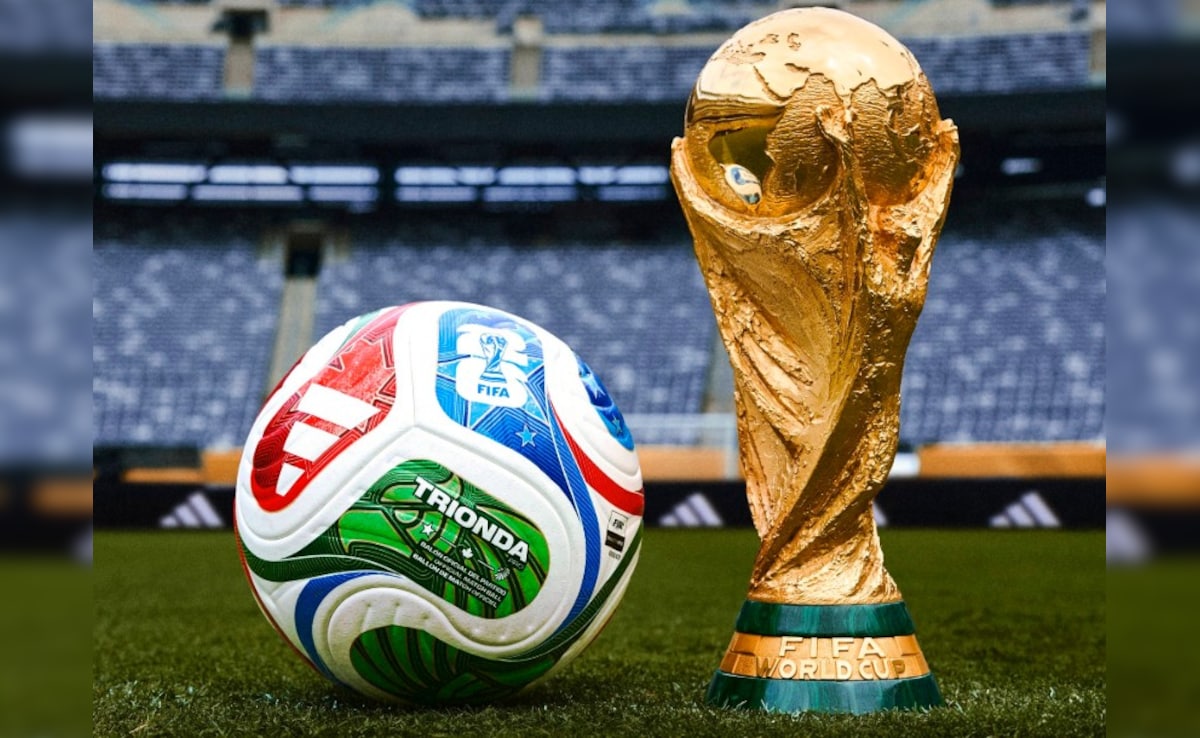
Ticket pricing for the FIFA World Cup 2026 is set to attract millions of fans worldwide. The event will be hosted across three countries: the United States, Canada, and Mexico. This unique setup brings diverse pricing options for fans attending matches in different cities.
Prices will vary depending on the stage of the tournament and the seating category. Early rounds typically offer more affordable tickets. Prices rise as the competition progresses toward the final. Fans can expect a range from budget-friendly seats to premium options.
FIFA aims to keep tickets accessible to many fans. This approach helps ensure a vibrant atmosphere in stadiums. It also encourages fans from various backgrounds to enjoy the event.
Ticket Categories And Pricing Tiers
The tournament will feature several ticket categories. These range from standard seats to VIP packages. Each category has different prices based on seat location and amenities. Early sales often include lower-priced tickets to encourage early buyers.
Price Differences By Host Country
Ticket costs vary between the United States, Canada, and Mexico. Currency and local market conditions affect pricing. Generally, matches in the US might have higher prices. Mexico and Canada could offer more affordable options, especially for group sales.
How To Buy Tickets
Tickets will be sold through official FIFA channels. Online sales will be the primary method for most fans. Fans should register early to increase their chances. Buying from unofficial sellers can lead to scams or invalid tickets.
Discounts And Special Offers
FIFA often provides discounts for youth, seniors, and people with disabilities. Group discounts may also be available for larger parties. Early bird offers can lower prices before the tournament begins. Fans should check FIFA’s official website for updates.
Credit: sports.ndtv.com
Fan Hospitality
Fan hospitality at the FIFA World Cup 2026 will create unforgettable experiences. The event promises warm welcomes and smooth services for fans from all over the world. Organizers focus on comfort, safety, and enjoyment at every venue.
Fans will find helpful staff ready to assist with directions and information. Clear signage and multiple languages will ease navigation. Special fan zones will offer entertainment, food, and cultural activities.
Accommodation And Transportation
Hotels near stadiums will provide convenient stays. Many options will suit different budgets. Public transport will connect venues with ease. Shuttle services will help fans travel quickly and safely. Accessibility services will assist fans with disabilities.
Food And Beverage Options
Fans can enjoy diverse food choices at stadiums. Local and international cuisines will be available. Special dietary needs will be catered for. Food courts will have fast service to avoid delays. Refreshment stands will keep fans hydrated throughout matches.
Fan Zones And Entertainment
Fan zones will offer live screenings of matches. Interactive games and music will keep energy high. Merchandise shops will sell official World Cup products. Cultural shows will highlight host countries’ traditions. These zones will be safe spaces for all fans.
Safety And Security Measures
Security will be a top priority during the event. Trained personnel will monitor all venues. Entry checks will ensure a safe environment. Emergency services will be on standby. Fans can expect clear instructions and support if needed.
Travel Tips
Traveling to the FIFA World Cup 2026 is an exciting adventure. Good planning makes the trip smooth and fun. Simple travel tips help you avoid stress. Prepare well to enjoy the games and local culture.
Choosing Your Accommodation
Book your stay early to get the best deals. Look for hotels or rentals near stadiums. Staying close saves travel time and energy. Check public transport options near your lodging. Consider comfort and safety in your choice.
Getting Around The Host Cities
Use public transit for easy and cheap travel. Many cities offer special passes for visitors. Walking short distances is often fastest. Avoid heavy traffic times to save time. Plan routes ahead to reach venues quickly.
Packing Essentials For The Trip
Pack light to move around easily. Carry comfortable shoes for walking long distances. Bring a reusable water bottle to stay hydrated. Include sunscreen and a hat for sun protection. Keep important documents and tickets handy.
Staying Safe During The Event
Keep personal belongings close at all times. Follow local rules and event security guidelines. Stay in groups when exploring at night. Use official taxis or rideshares for travel. Know emergency contacts and locations nearby.
Managing Your Budget
Set a daily budget for food, transport, and souvenirs. Use cash and cards wisely to avoid fees. Eat at local spots for cheaper meals. Avoid expensive tourist traps near stadiums. Track expenses to prevent overspending.
Local Attractions
The FIFA World Cup 2026 will take place across multiple cities in North America. Each host city offers exciting local attractions for visitors. Exploring these sites adds fun beyond the matches. Fans can enjoy history, culture, and outdoor activities near the stadiums.
Visiting local attractions is a great way to experience the host countries. The cities will welcome fans with unique landmarks and vibrant neighborhoods. These spots create memories that last long after the final whistle.
New York City’s Iconic Landmarks
New York City, near MetLife Stadium, has famous sites like the Statue of Liberty and Times Square. Fans can stroll through Central Park or visit world-class museums. The city’s energy is unmatched and perfect for exploring between games.
Toronto’s Diverse Neighborhoods
Toronto offers rich cultural experiences and stunning waterfront views. Visitors can explore the Distillery District or visit the CN Tower. The city’s food scene is vibrant, with many international flavors to try.
Mexico City’s Historic Charm
Mexico City blends ancient history with modern life. Fans can visit the ancient ruins of Teotihuacan or the colorful neighborhoods of Coyoacan. The city is full of art, music, and delicious street food.
Los Angeles’ Beaches And Entertainment
Los Angeles hosts matches at SoFi Stadium. Fans can relax at Venice Beach or explore Hollywood’s Walk of Fame. The city offers a mix of sun, sand, and star-studded attractions.
Vancouver’s Natural Beauty
Vancouver is known for its stunning parks and mountains. Visitors can enjoy Stanley Park or take a walk along the seawall. The city’s clean air and green spaces provide a peaceful break from the excitement.
Cultural Events
The FIFA World Cup 2026 will be more than just a soccer tournament. It will also celebrate culture in many vibrant ways. The host countries will showcase their rich traditions, music, food, and art. Fans from around the world will enjoy a festival of cultural events alongside the matches.
These events aim to bring people together and share the spirit of the game beyond the field. Visitors can expect lively performances, exhibitions, and street festivals. Each host city will add its unique flavor to the celebration, making the World Cup a true global cultural experience.
Music And Dance Festivals
Music and dance will play a key role in the 2026 World Cup festivities. Local artists will perform traditional and modern songs. Dance groups will showcase folk dances from the host countries. These lively events will create a festive atmosphere for fans and families.
Food Fairs And Culinary Events
Food lovers will find many food fairs during the World Cup. Visitors can taste local dishes and international flavors. Street food markets will offer quick and delicious options. Cooking demonstrations and food contests will highlight the best culinary talents.
Art Exhibitions And Cultural Workshops
Art lovers can explore exhibitions that display local heritage and modern creativity. Museums and galleries will open special World Cup-themed shows. Workshops will teach crafts, painting, and traditional skills. These activities will help fans connect with the host cultures deeply.
Fan Zones And Street Celebrations
Fan zones will be lively places filled with music, games, and food. Street celebrations will include parades and cultural shows. These zones provide a safe space for fans to gather and enjoy cultural activities. The energy and excitement will be high throughout the tournament.
Legacy Programs
The FIFA World Cup 2026 is not just about thrilling matches. It also aims to create lasting benefits. Legacy programs will focus on sports, communities, and sustainability.
These programs help build better facilities and inspire young players. They also support local economies and promote environmental care. The goal is to leave a positive impact long after the tournament ends.
Community Development Initiatives
Community projects will bring people together through football. New sports centers and parks will be built. These spaces will encourage healthy lifestyles and social bonding.
Programs will target youth and underprivileged groups. They will offer training, education, and job opportunities. This helps strengthen local communities beyond the event.
Infrastructure And Facility Upgrades
Stadiums and training grounds will receive major improvements. These upgrades ensure safety and comfort for fans and players. They also create venues for future events and local use.
Transport and public services will be enhanced. Better roads, public transit, and accessibility will benefit residents. These changes support long-term urban growth and connectivity.
Environmental Sustainability Efforts
The World Cup 2026 will follow eco-friendly practices. Waste reduction, energy efficiency, and water conservation are key focuses. Organizers plan to use renewable energy sources where possible.
These efforts aim to lower the event’s carbon footprint. They also raise awareness about protecting nature. Sustainable practices set a standard for future sporting events.
Top Players To Watch
The FIFA World Cup 2026 promises thrilling action and unforgettable moments. Fans worldwide anticipate star players to shine on the biggest stage. These top athletes will shape the tournament’s story with their skill and passion.
Young talents and established stars bring excitement and hope. Their performances will captivate millions of viewers and inspire aspiring players globally. Watching these players can give a glimpse of football’s future.
Erling Haaland: The Norwegian Goal Machine
Erling Haaland has become one of football’s most feared strikers. Known for his speed and power, he scores goals with ease. Haaland’s presence in the World Cup will be vital for Norway’s attack. Expect him to challenge defenders and change games quickly.
Kylian Mbappé: France’s Speed And Skill
Kylian Mbappé combines speed, technique, and sharp instincts. He helped France win the 2018 World Cup and aims to repeat the feat. Mbappé’s ability to break defenses makes him a constant threat. Fans will watch his every move with great interest.
Lionel Messi: The Legendary Playmaker
Lionel Messi remains a key figure in world football. His creativity and vision set him apart from others. Though nearing the end of his career, Messi’s passion drives him to excel. He will seek to add a 2026 World Cup trophy to his legacy.
Cristiano Ronaldo: Portugal’s Veteran Leader
Cristiano Ronaldo combines experience with top-level skills. His fitness and goal-scoring record are impressive. Ronaldo’s leadership will be crucial for Portugal’s campaign. He aims to inspire his team and fans alike.
Jude Bellingham: England’s Midfield Dynamo
Jude Bellingham is a rising star with great potential. His energy and creativity control the midfield effectively. Bellingham’s performance can boost England’s chances in the tournament. Watch for his passes and ball control skills.
Historic Rivalries
The FIFA World Cup 2026 promises thrilling moments shaped by historic rivalries. These rivalries add passion and drama to the tournament. They bring fans together, fueling unforgettable matches and stories.
Many of these rivalries have deep roots. Some span decades, with teams battling on the world’s biggest stage. The intensity on the pitch reflects years of competition and national pride.
Argentina Vs. Brazil
Argentina and Brazil share one of football’s fiercest rivalries. Both countries have produced legendary players and won multiple World Cups. Their matches are highly competitive and full of emotion. Each encounter carries immense pressure and expectation.
England Vs. Germany
England and Germany have a rivalry marked by historic World Cup clashes. Their battles in 1966 and 1990 remain iconic. These games are remembered for drama, skill, and tension. Fans eagerly await their next meeting on the field.
France Vs. Italy
France and Italy have faced off many times in major tournaments. Their rivalry features tactical battles and strong defenses. Both nations boast rich football traditions and passionate supporters. Matches between them are often tightly contested.
Mexico Vs. United States
Mexico and the United States rivalry has grown with recent World Cup cycles. As co-hosts in 2026, this rivalry will gain even more spotlight. Both teams aim to prove regional dominance. Their encounters feature high energy and intense competition.
Technology And Innovation
The FIFA World Cup 2026 promises exciting advances in technology and innovation. These changes aim to improve the experience for players, fans, and officials. New tools will help make the games fairer and more engaging. Technology will play a key role in how the tournament is organized and viewed worldwide.
Advanced Video Assistant Referee (var) Systems
The 2026 World Cup will use the latest VAR technology. It helps referees make quick and accurate decisions. This system reduces errors in crucial moments like goals and penalties. Improved cameras and software allow better review of plays. Fans and players can trust the fairness of the game more.
Smart Stadiums With Enhanced Connectivity
Stadiums will have faster internet and better networks. This means fans can share moments live and access real-time stats easily. Smart seating and lighting systems will improve comfort and safety. Digital screens will keep audiences informed and entertained. These innovations create a modern and fun environment.
Wearable Technology For Player Performance
Players will wear devices to track health and movement. Coaches get data on speed, stamina, and injury risks. This information helps in training and game strategy. Wearables support players in staying fit and avoiding injuries. The technology offers a clearer picture of player performance.
Augmented Reality (ar) For Fan Engagement
AR will bring new ways for fans to enjoy matches. Spectators can see player stats and instant replays through their devices. AR apps will create interactive experiences inside and outside stadiums. Fans will feel closer to the action and learn more about the game. It adds fun and excitement to watching football.
Sustainability Efforts
The FIFA World Cup 2026 marks a new chapter in sports and sustainability. Organizers focus strongly on reducing environmental impact. The event aims to set a global example in eco-friendly practices.
Efforts include cutting waste, saving energy, and promoting green transport. The hosts—Canada, Mexico, and the USA—work together on these goals. Their combined experience helps create a powerful sustainability plan.
Eco-friendly Stadium Designs
New and existing stadiums use energy-efficient technology. Solar panels and smart lighting reduce electricity use. Stadiums also include water-saving systems to limit waste.
Waste Reduction And Recycling
The event encourages fans to recycle and reduce plastic use. Composting stations appear in all venues. Organizers aim to minimize landfill waste from food and packaging.
Green Transportation Options
Public transit and bike-sharing programs expand around stadiums. Electric buses and vehicles will reduce air pollution. Walking routes and shuttles help fans move safely and cleanly.
Community Engagement And Education
Local communities receive education on sustainability practices. Volunteers promote eco-friendly behavior during the event. The World Cup will leave a lasting positive impact.
Frequently Asked Questions
When And Where Is The Fifa World Cup 2026?
The FIFA World Cup 2026 will take place in June and July 2026. It will be hosted across the United States, Canada, and Mexico.
What Will Happen On 19 July 2026?
On 19 July 2026, the FIFA World Cup matches will take place at MetLife Stadium, New Jersey, featuring key group stage games. Fans will witness exciting international football action during this major global sporting event.
What Stadium Will The World Cup Final Be In 2026?
The 2026 World Cup final will take place at MetLife Stadium in East Rutherford, New Jersey, USA. This stadium is near New York City and has a large seating capacity, making it ideal for the event.
How Much Is A Ticket To The World Cup 2026?
World Cup 2026 ticket prices vary by match and seating. Group stage tickets start around $60. Finals can exceed $1,000. Prices depend on venue and teams playing. Purchase through official FIFA channels for authenticity and updates.
Which Countries Are Hosting Fifa World Cup 2026?
The 2026 World Cup will be hosted by the USA, Canada, and Mexico.
How Many Teams Will Participate In 2026 World Cup?
A total of 48 national teams will compete in the 2026 tournament.
What Are The New Cities Hosting The 2026 World Cup?
The event will take place in 16 cities across the three host countries.
When Will The Fifa World Cup 2026 Start And End?
The tournament is scheduled from June to July 2026.
What Stadiums Will Be Used For The 2026 World Cup?
Matches will be held in stadiums like MetLife, BMO Field, and Estadio Azteca.
How Will The 2026 World Cup Group Stage Work?
Teams will be divided into 16 groups of three teams each for group matches.
Conclusion
The FIFA World Cup 2026 promises exciting football across three countries. Fans will enjoy new stadiums and vibrant cultures. Matches will take place in the USA, Canada, and Mexico. This event will bring diverse teams and passionate supporters together. The expanded format means more games and more chances to see stars play.
Soccer lovers worldwide will celebrate this grand tournament. Prepare for thrilling moments and unforgettable memories. The World Cup will unite people through the love of football. Stay tuned for updates as the event draws near.