Are you ready to discover what makes the FIFA World Cup 2026 unlike any tournament before? This event is set to be the largest in history, with more teams, more matches, and an exciting new way of hosting across three countries.
If you love football or just enjoy global sporting events, understanding what the FIFA World Cup 2026 is all about will give you a front-row seat to the action. Keep reading to find out where the games will be played, which countries are hosting, and why this World Cup promises unforgettable moments for fans like you.
Your ultimate guide to the biggest football celebration is just ahead!
Fifa World Cup 2026 Basics
The FIFA World Cup 2026 is the upcoming global soccer tournament. It will be held in North America. This event brings together the best teams worldwide. Fans from many countries watch and cheer for their favorite teams. The 2026 edition promises to be the largest ever.
This World Cup will expand the number of teams. More countries can now compete. The event will take place in multiple cities across three nations. This setup is new and exciting for fans and players alike.
Key Details
The 2026 World Cup will feature 48 teams. These teams come from all FIFA regions. Matches will be played in Canada, Mexico, and the United States. The tournament will run for about a month. It will include group stages and knockout rounds.
Format Expansion
The tournament format has changed to include more teams. Groups will have three or four teams each. The top two teams from each group advance. This change means more matches and more chances to win. It also increases excitement for viewers worldwide.
Significance
This World Cup will be the largest in history. It is the first time three countries host the event together. This cooperation shows the power of soccer to unite nations. The event will boost tourism and local economies. It will create lasting memories for fans and players.
Host Countries And Cities
The FIFA World Cup 2026 will be a historic event. It will be the first time three countries host the tournament together. The host nations are the United States, Canada, and Mexico. This tri-nation hosting will showcase football across North America like never before.
Each country will feature several cities and stadiums. These venues will welcome fans from around the world. The wide range of host cities will bring diverse cultures and exciting atmospheres to the competition.
Host Cities In The United States
The United States will host the majority of the matches. Cities include New York, Los Angeles, and Dallas. Other cities are Atlanta, Miami, and Seattle. Each city has top stadiums ready for world-class football.
Host Cities In Canada
Canada will host matches in cities like Toronto and Vancouver. Montreal is another key host city. These cities offer modern stadiums and passionate local fans. They will provide a great stage for the games.
Host Cities In Mexico
Mexico will host matches in Mexico City, Guadalajara, and Monterrey. These cities bring rich football history. Their stadiums are known for lively and vibrant crowds. Fans can expect exciting matches in these iconic locations.
Tournament Expansion Details
The FIFA World Cup 2026 will be the largest tournament in history. It will feature more teams and matches than ever before. This expansion changes the tournament’s format and scale.
The new structure aims to include more nations. This allows more countries to compete on football’s biggest stage. Fans can expect more excitement and diversity in the games.
Number Of Teams
The tournament will expand from 32 to 48 teams. This is the first time FIFA has increased the number since 1998. It opens doors for many new countries to qualify.
Group Stage Format
The teams will be divided into 16 groups of three. Each team plays two matches in the group stage. The top two teams from each group will advance to the knockout round.
Knockout Stage Structure
After the group stage, 32 teams enter the knockout rounds. This includes the round of 32, round of 16, quarter-finals, semi-finals, and the final. The knockout matches will be single elimination.
Host Countries And Venues
The 2026 World Cup will be hosted by three countries: the United States, Canada, and Mexico. This is the first time three nations will jointly host the event. Matches will take place in multiple cities across North America.
Match Schedule Highlights
The FIFA World Cup 2026 match schedule promises exciting moments for fans worldwide. The tournament features more teams and games than ever before. This expansion brings a packed calendar full of thrilling football action.
Matches will take place across multiple cities in the United States, Canada, and Mexico. Fans can expect a mix of group stage battles, knockout rounds, and the grand final. Each phase will showcase top teams competing for glory.
Group Stage Matches
The group stage will include 48 teams divided into 16 groups. Each team plays three matches in this round. The top two teams from each group advance to the knockout stage. This phase will be held in various stadiums across the host countries.
Knockout Round Schedule
The knockout rounds start with the Round of 32. Matches will be single elimination, increasing tension and excitement. This stage leads to the Round of 16, quarter-finals, semi-finals, and the final. Dates and venues will be announced closer to the event.
Final Match Details
The final match will crown the new world champion. It is scheduled to take place in a major stadium in the United States. The exact venue aims to hold a large number of fans. This match promises a spectacular end to the tournament.
Stadiums Across North America
The FIFA World Cup 2026 will take place across multiple stadiums in North America. This event marks the first time three countries co-host the tournament. Fans will experience matches in the United States, Canada, and Mexico. These stadiums are known for their large capacities and modern facilities. Each venue offers a unique atmosphere for players and supporters alike.
Stadiums in major cities will showcase the sport on a grand stage. They have hosted many important games and events before. Their selection ensures top-quality pitches and excellent fan experiences. The blend of old and new stadiums reflects the rich soccer culture in North America.
United States Stadiums
The United States will host the majority of the matches. Stadiums like MetLife in New Jersey and the Rose Bowl in California are included. These venues can hold over 70,000 fans. They have world-class amenities and easy access for visitors. Cities such as Dallas, Miami, and Seattle will also welcome teams and fans.
Canadian Stadiums
Canada will feature stadiums in Toronto and Vancouver. BMO Field in Toronto is a favorite for soccer events. It offers a vibrant fan environment and modern design. Vancouver’s BC Place is another key venue. It has a retractable roof and large seating capacity. These stadiums highlight Canada’s growing soccer passion.
Mexican Stadiums
Mexico’s stadiums bring history and excitement to the tournament. Estadio Azteca in Mexico City is famous worldwide. It has hosted two World Cup finals before. Other venues include Estadio BBVA in Monterrey and Estadio Akron in Guadalajara. These stadiums combine tradition with state-of-the-art features. They promise thrilling matches and unforgettable moments.
New Format And Team Count
The FIFA World Cup 2026 introduces a new format and expands the number of teams. This change aims to include more nations from around the world. It will make the tournament larger and more exciting for fans everywhere.
The increase in teams means more matches and more chances for underdog stories. The new format also adjusts the group stage and knockout rounds to fit the larger competition.
Expanded Team Count
The tournament will feature 48 teams instead of 32. This is the biggest jump in the World Cup’s history. More countries can now qualify and compete on the world stage.
With 48 teams, the event will showcase diverse football styles and cultures. Fans will enjoy a wider range of matches and new rivalries.
New Group Stage Format
The 48 teams will be divided into 16 groups of three teams each. The top two teams from each group will move on to the knockout stage. This setup reduces the number of group matches but keeps the competition fierce.
This format aims to keep every match important. Teams must perform well from the start to advance.
Knockout Stage Adjustments
The knockout phase will start with 32 teams. This creates more rounds than before and more games with high stakes. The single-elimination format will stay the same, with each match deciding who moves forward.
This change means more drama and excitement for fans as teams fight to reach the final.
Qualification Process
Teams compete in regional tournaments to earn a spot in the FIFA World Cup 2026. The qualification process decides which countries will play in the main event. Each continent has a set number of places based on FIFA rules.
Qualification Process Overview
The FIFA World Cup 2026 will feature a new qualification process. This process decides which teams earn a spot in the tournament. It involves teams from all FIFA member countries competing in their regions. Each region has a set number of places for the final event.
More teams than ever will try to qualify because the tournament expands to 48 teams. This means more matches and more chances for countries to join the World Cup.
Regional Qualification Tournaments
Each continent holds its own qualification tournament. These are run by the regional football confederations. Asia, Africa, Europe, North and Central America, South America, and Oceania all have their paths. Teams play in groups or knockout rounds. The best teams earn spots in the World Cup.
Host Countries’ Qualification
The 2026 World Cup will be hosted by the United States, Canada, and Mexico. All three hosts automatically qualify for the tournament. This means they do not need to compete in the qualification rounds. This is the first World Cup hosted by three countries together.
Inter-confederation Playoffs
Some teams will qualify through inter-confederation playoffs. These playoffs involve teams from different continents. They compete for the last few spots in the World Cup. This adds excitement and gives teams another chance to qualify.

Credit: losangelesfwc26.com
Key Teams To Watch
The FIFA World Cup 2026 promises thrilling moments with top teams competing fiercely. Fans worldwide watch these teams closely for their skill and history. Each team brings unique strengths and exciting players.
These teams have shown strong performances in past tournaments. Their experience and talent make them key contenders for the title. Let’s explore the teams to watch in this grand event.
Brazil
Brazil is known for its rich football history and flair. The team features young stars and seasoned veterans. Their attacking style makes matches exciting to watch. Brazil aims to claim its sixth World Cup trophy.
France
France won the last World Cup and has a deep squad. Their defense and midfield control are very strong. Many players shine in top European clubs. France looks to defend their title successfully.
Argentina
Argentina has a passionate fan base and skilled players. They won the Copa America recently, boosting their confidence. Lionel Messi’s legacy continues to inspire the team. Argentina seeks to add another World Cup win.
Germany
Germany has a history of consistent World Cup success. Their team blends youth and experience well. Known for tactical discipline and teamwork, they are always tough opponents. Germany aims to return to the top.
United States
The United States co-hosts the tournament and shows rapid growth. Young talents and solid teamwork mark their recent rise. Playing at home can give them an extra boost. US fans hope for a strong World Cup run.
Notable Absentees
The FIFA World Cup 2026 promises excitement with new teams and thrilling matches. Yet, some well-known countries will not appear in this edition. Their absence will surprise many fans worldwide. These notable absentees reflect shifting powers in international football. The tournament will feel different without their presence on the field.
Serbia
Serbia, a strong European team, will miss the 2026 World Cup. They failed to qualify after tough competition in the qualifiers. This absence marks a rare moment for Serbian football fans. The team has shown great skill in past tournaments. Their absence leaves a gap in the European lineup.
Greece
Greece, famous for winning the 2004 European Championship, will also be absent. They struggled in recent qualifying matches. Missing the World Cup means a lost chance to showcase their talent. Greece’s absence reduces the number of experienced teams in the tournament.
Hungary
Hungary, once a football powerhouse, will not compete in 2026. Their national team faced difficulties securing a spot. This absence highlights the challenges smaller football nations face today. Hungarian fans will watch from home, hoping for a return in future cups.
China
China, with a large population and growing football interest, will not take part. Despite investments in football, the team failed to qualify. Their absence is notable given the country’s size and ambition. The World Cup misses a chance to expand its Asian representation.
India
India, another large nation, will not appear at the 2026 World Cup. Football is still developing there compared to other sports. The team’s absence shows the gap between popular sports in the country. Indian fans hope for growth and future World Cup qualifications.
Credit: rcrusadernews.com
Economic Impact On Hosts
The FIFA World Cup 2026 will bring significant economic effects to the host countries. Hosting such a global event attracts millions of visitors. These visitors spend money on hotels, food, transport, and entertainment. This influx boosts local businesses and creates jobs.
Governments invest heavily in infrastructure like stadiums, roads, and airports. These projects improve the cities for residents and tourists long after the tournament ends. The event also raises the profile of the host countries worldwide. This can lead to more tourism and business in the future.
Boost In Tourism Revenue
Millions of football fans will travel to the host cities. Their spending on accommodation, dining, and sightseeing increases tourism income. Many fans also explore local culture and landmarks. This helps small businesses and service providers. Tourism growth supports long-term economic stability.
Job Creation And Local Business Growth
Hosting the World Cup creates thousands of temporary and permanent jobs. Construction workers build stadiums and improve infrastructure. Service sectors like hospitality and retail hire more staff. Local businesses see higher sales due to the influx of visitors. This economic activity strengthens community livelihoods.
Infrastructure Development
Host cities invest in new stadiums and transport systems. These upgrades make cities more accessible and modern. Improved infrastructure benefits residents and future tourists. Efficient transport reduces travel time during and after the event. The legacy of better facilities supports economic growth.
Long-term Economic Benefits
The World Cup raises global awareness of the host countries. This can attract foreign investment and new business opportunities. Enhanced reputation helps promote exports and trade. The event also encourages the growth of sports and entertainment sectors. These effects contribute to sustainable economic development.
Fan Experience And Tickets
The FIFA World Cup 2026 promises an unforgettable fan experience. Fans will enjoy vibrant atmospheres across three host countries. The tournament’s scale offers more match options than ever before. Ticket access and stadium amenities will play key roles in fan satisfaction.
Planning ahead is essential for fans eager to attend matches. Ticket sales will follow a clear process to ensure fairness. Fans can expect diverse ticket categories to suit different budgets. Comfort and safety measures will enhance the live viewing experience.
Ticket Purchase Process
Fans must register on the official FIFA website to buy tickets. Registration opens months before the event. Tickets will be sold in multiple phases. Early registration improves chances of securing preferred seats. Payment options will be simple and secure.
Ticket Categories And Prices
Tickets will come in several price levels. Options range from affordable seats to premium packages. Family-friendly pricing aims to include young fans. Accessible seating is available for fans with disabilities. Prices reflect match importance and stadium location.
Fan Zones And Matchday Atmosphere
Fan zones will offer entertainment beyond the stadiums. Large screens and food stalls create a festival vibe. Cultural events showcase host country traditions. These areas provide safe spaces for fans without match tickets. They foster community and football spirit.
Stadium Facilities And Accessibility
New and renovated stadiums focus on fan comfort. Modern seating, clear signage, and clean restrooms enhance visits. Accessibility features support fans with mobility challenges. Public transport links ease travel to venues. Security measures ensure a safe environment.
Broadcast And Media Coverage
The FIFA World Cup 2026 promises to reach billions of viewers worldwide. Broadcast and media coverage plays a vital role in delivering the excitement. Fans across the globe will enjoy live matches, highlights, and expert analysis through multiple platforms.
With three host countries, the coverage will be vast and diverse. Broadcasters prepare to capture every moment from stadiums in the United States, Canada, and Mexico. This event will showcase new technologies and storytelling methods to engage audiences.
Global Television Broadcast
Major TV networks will air the tournament live in many countries. These broadcasters hold exclusive rights to show matches and related content. Fans can watch games on standard TV channels or in high definition.
Coverage includes pre-match shows, halftime analysis, and post-match interviews. Commentary will be available in multiple languages to serve international audiences.
Streaming And Digital Platforms
Streaming services will provide flexible viewing options for fans. Online platforms allow live streaming on smartphones, tablets, and computers. Viewers can watch matches anytime and anywhere with internet access.
Special features such as multiple camera angles and instant replays will enhance the experience. Social media channels will share highlights, behind-the-scenes footage, and fan reactions.
Radio And Audio Coverage
Radio remains a popular choice for many fans. National and local stations will broadcast live commentary and match updates. Audio coverage is ideal for listeners on the move or without internet access.
Podcasts and live talk shows will discuss game tactics, player performance, and tournament news. This keeps fans connected beyond the live matches.
Security And Safety Measures
The FIFA World Cup 2026 will be the largest football event ever hosted. With millions of fans expected, security and safety stand as top priorities. Organizers plan strong measures to protect everyone involved. Fans, players, and staff will benefit from these efforts.
Security plans focus on preventing any threats before and during the event. The goal is to ensure a safe and enjoyable experience for all attendees. Multiple agencies will work together to cover all aspects of safety. Technology and human resources will combine to create a secure environment.
Enhanced Stadium Security
Stadiums will use advanced screening technologies at all entrances. Metal detectors, bag checks, and facial recognition will speed up entry while keeping fans safe. Security personnel will patrol stands and surrounding areas continuously. Emergency protocols will be ready to handle any incidents promptly.
Coordination Among Law Enforcement
Police forces from the United States, Canada, and Mexico will collaborate closely. This tri-national cooperation aims to share information and respond quickly. Joint command centers will monitor crowds and traffic in real time. Intelligence will help prevent risks and maintain order throughout the event.
Health And Safety Protocols
Health safety will be a crucial part of the event planning. Measures include sanitation stations, crowd control, and medical support on-site. Organizers will follow global health guidelines to reduce risks. Fans will find clear instructions to keep themselves and others safe.
Fan And Staff Education
Information campaigns will guide fans and staff on safety rules. Clear signage and announcements will help everyone follow protocols. Training sessions for staff will prepare them to assist in emergencies. Awareness will reduce confusion and improve overall security.
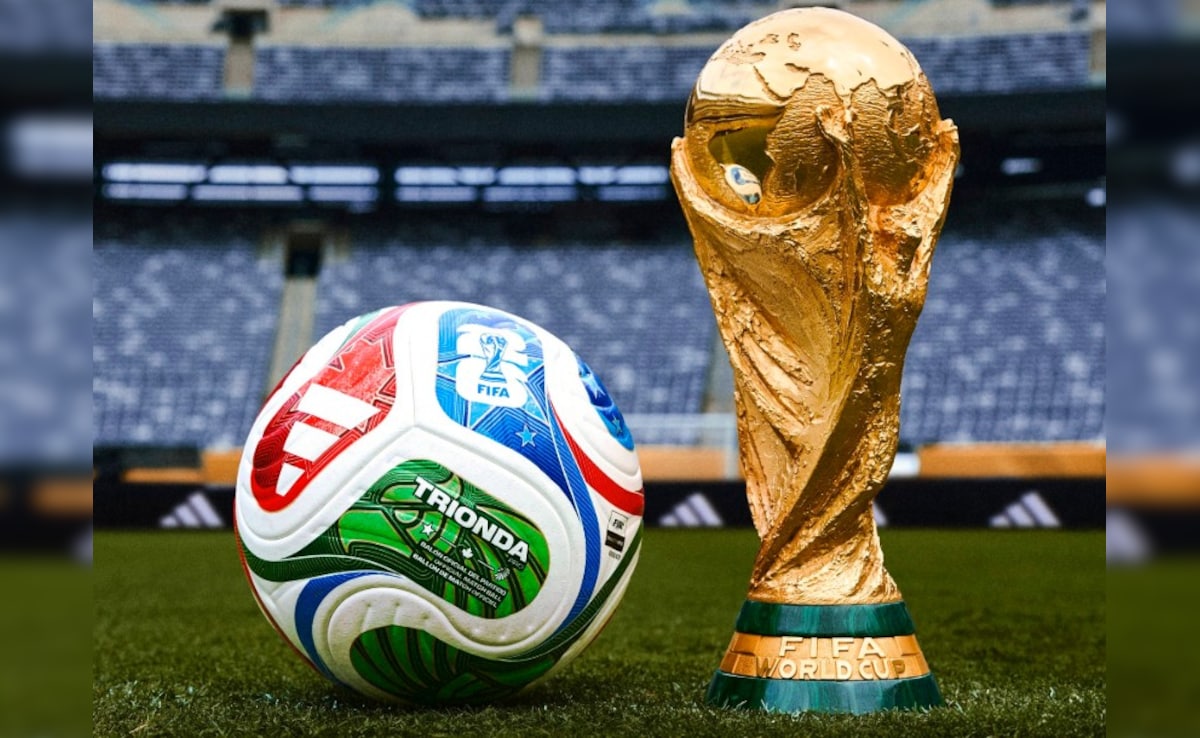
Credit: sports.ndtv.com
Sustainability Initiatives
The FIFA World Cup 2026 stands out not only for its scale but also for its strong focus on sustainability initiatives. The event aims to reduce environmental impact and promote eco-friendly practices throughout the tournament. Sustainability is a key priority to protect the planet while celebrating football.
Organizers plan to use renewable energy sources and reduce waste significantly. They also focus on sustainable transport and green building designs. These steps help lower carbon emissions and conserve resources during the event.
Renewable Energy Usage
Stadiums and facilities will rely heavily on renewable energy. Solar panels and wind turbines will power many venues. This reduces dependence on fossil fuels and cuts greenhouse gas emissions.
Waste Reduction Strategies
FIFA has introduced strict waste management plans. Recycling and composting will be mandatory at all sites. Single-use plastics will be minimized or banned to reduce litter.
Sustainable Transport Options
Public transport and electric vehicles will be promoted for fans and teams. Bike-sharing programs and pedestrian-friendly routes will also be available. These options help reduce traffic congestion and pollution.
Green Building Designs
New and renovated stadiums follow green building standards. They use energy-efficient lighting and water-saving systems. Natural ventilation and materials from sustainable sources are prioritized.
Cultural Events And Festivities
The FIFA World Cup 2026 will be more than just a football tournament. It will be a grand celebration of culture and unity. Fans from all over the world will gather to enjoy unique cultural events and festivities. These activities will showcase the rich traditions and diversity of the host countries.
Expect vibrant music, dance performances, and colorful parades. Local cuisines and crafts will be highlighted in special fan zones. These experiences will bring fans closer to the spirit of the host nations.
Cultural Showcases Across Host Cities
Each host city will present its own cultural identity. Visitors can explore local art, music, and history. Street festivals and live performances will fill the streets. This will create a lively and welcoming atmosphere for everyone.
Fan Festivals And Entertainment Zones
Fan festivals will offer fun activities for all ages. Giant screens will broadcast live matches. Food stalls will serve international and local dishes. Entertainment zones will have games, music, and meet-and-greet sessions with football stars.
Traditional Celebrations And Heritage Displays
Traditional dances and ceremonies will be part of the events. Museums and exhibitions will showcase the heritage of the host nations. These displays will educate visitors about the rich cultural backgrounds involved.
Technology In The Tournament
The FIFA World Cup 2026 will showcase advanced technology to enhance the tournament. Technology plays a vital role in improving the game and fan experience. It helps referees make accurate decisions and keeps fans engaged worldwide.
New tools and systems will be used in stadiums and broadcasts. These innovations aim to make the matches fairer and more exciting. Fans can expect smoother viewing and better access to game data.
Video Assistant Referee (var) Enhancements
VAR technology assists referees in making correct calls. The 2026 World Cup will use improved VAR systems for faster reviews. This reduces game interruptions and ensures fair play.
Referees get clear video angles for better judgment. This helps avoid wrong decisions on goals, fouls, and penalties.
Goal-line Technology
Goal-line technology confirms if the ball crosses the line. Sensors and cameras track the ball’s position precisely. Instant alerts are sent to referees’ watches during close calls.
This technology removes doubt about goals. It adds fairness and accuracy to scoring decisions.
Smart Stadium Features
Stadiums will be equipped with smart technology for fans. This includes fast Wi-Fi and mobile apps for live updates. Fans can order food, check stats, and find seats easily.
Smart lighting and screens improve visibility and atmosphere. These features create a better experience both inside and outside the stadium.
Advanced Broadcast Technology
Broadcasts will use 4K and 8K cameras for crystal-clear images. Multiple camera angles and slow-motion replays enhance viewing. Virtual graphics will show player stats and tactics live.
Fans watching at home will feel closer to the action. Technology brings the excitement of the stadium to the screen.
Legacy For Future Tournaments
The FIFA World Cup 2026 promises a lasting impact beyond the matches. It sets new standards for future tournaments worldwide. The legacy will influence infrastructure, fan experiences, and global football growth.
Its innovations will serve as a blueprint for organizing large-scale sports events. The 2026 edition introduces changes that other tournaments can adopt or improve. These changes focus on sustainability, technology, and inclusivity.
Infrastructure And Sustainability Advances
New stadiums and upgraded facilities highlight the 2026 World Cup. These venues use green technologies to reduce environmental impact. Solar power, water recycling, and waste management are key features. This approach encourages future hosts to prioritize eco-friendly designs.
Enhanced Fan Engagement
The tournament offers improved access to games for fans everywhere. Advanced digital platforms enable real-time interaction and content sharing. Virtual reality and augmented reality bring fans closer to the action. These tools create deeper connections and richer experiences.
Global Collaboration And Inclusivity
The 2026 World Cup is the first to be hosted by three countries. This cooperation showcases a new model for international event planning. It promotes cultural exchange and shared responsibilities. The tournament also expands team participation, giving more nations a chance to compete.
Fan Zones And Public Viewing
Fan zones and public viewing areas play a big role in the FIFA World Cup 2026 experience. These spaces bring fans together to watch matches live on large screens. They create a lively atmosphere full of excitement and shared passion. Fans can enjoy food, music, and games around the viewing areas. These zones offer a safe, fun place for fans of all ages.
Fan zones will be set up in key cities across the host countries. They give fans who cannot attend matches in stadiums a chance to join the celebration. Public viewing spots help build community spirit and unite people from different backgrounds. The zones often include cultural events and activities related to football. These areas become hubs of joy and national pride during the tournament.
Locations Of Fan Zones In Fifa World Cup 2026
The World Cup 2026 will be hosted by the United States, Canada, and Mexico. Major cities in these countries will have fan zones. Popular spots include parks, squares, and stadium surroundings. Cities like New York, Toronto, and Mexico City will host large fan zones. These places will offer big screens and live entertainment.
What To Expect At Public Viewing Areas
Public viewing zones provide live broadcasts of all matches. Fans can watch games together on giant screens. Food trucks and vendors sell local and international snacks. Fans often wear team colors and wave flags. The atmosphere is festive with music and cheers. These zones sometimes host fan contests and giveaways.
Benefits Of Fan Zones For Fans And Communities
Fan zones create a sense of belonging among football lovers. They allow fans to share emotions and celebrate victories. Communities benefit from increased tourism and business opportunities. These zones promote cultural exchange and local traditions. They also make the World Cup accessible to more people.
Local Community Engagement
The FIFA World Cup 2026 will bring excitement to millions worldwide. It also creates a unique chance for local communities to get involved. The event connects people through sports and culture. Communities near the host cities gain new opportunities. They can share their traditions and support their teams. This engagement helps build pride and unity among locals. It also encourages tourism and boosts local economies.
Community Volunteer Programs
Local residents can join volunteer programs for the World Cup. Volunteers help with event operations and visitor services. These roles offer training and valuable experience. People meet others from different backgrounds. Volunteering creates a sense of belonging and teamwork. It also leaves a positive impact on the community.
Youth Soccer Initiatives
The World Cup promotes youth soccer programs in host cities. Kids get chances to play and learn from experts. Schools and clubs organize special training sessions and tournaments. These activities inspire young players to improve skills. They also teach teamwork, discipline, and sportsmanship. Youth programs help grow soccer culture locally.
Local Business Support
Small businesses near venues benefit from increased visitors. Markets, restaurants, and shops see more customers. Event organizers often partner with local suppliers. This support helps businesses expand and create jobs. Communities gain economic strength from hosting matches. It encourages long-term growth beyond the tournament.
Records And Milestones Expected
The FIFA World Cup 2026 promises to set new records and reach important milestones. Fans and experts expect historic moments at this global tournament. The event will bring many firsts and breakthroughs in football history.
This World Cup will be the largest ever, with more teams and matches than before. It will also be the first time three countries host the tournament together. These factors create a unique chance to witness football history in the making.
Expansion To 48 Teams
The 2026 World Cup will feature 48 teams, up from 32 in previous editions. This expansion means more countries can compete at the highest level. It will increase global participation and add fresh excitement to the event.
First Tri-nation Hosting
Canada, Mexico, and the United States will co-host the tournament. This is the first World Cup shared by three nations. It will showcase diverse cultures and stadiums across North America, making the event truly special.
Record Number Of Matches
The tournament will include 80 matches, more than any past World Cup. This will provide fans with more football action and thrilling moments. The increased number of games also allows more opportunities for teams to prove themselves.
New Venues And Stadiums
Matches will take place in 16 cities across the host countries. Many stadiums are newly built or renovated for this event. These modern venues will offer fans excellent facilities and experiences.
Potential Player Records
Top players may break individual records in goals and appearances. The larger format gives players more chances to shine on the world stage. Young talents could emerge, changing football’s future landscape.
Frequently Asked Questions
What Is The Fifa World Cup?
The FIFA World Cup is a global soccer tournament held every four years. National teams compete for the championship title. It attracts millions of fans worldwide, showcasing top football talent and national pride. FIFA organizes this prestigious event, making it the sport’s most significant international competition.
How Many Countries Are In The World Cup 2026?
The 2026 FIFA World Cup will feature 48 countries. It is the largest tournament in World Cup history.
How Much Is A Ticket To The World Cup 2026?
World Cup 2026 ticket prices vary by match and category. Prices start around $40 for group-stage games. Premium matches cost significantly more. Exact prices depend on seating and location. FIFA releases detailed pricing closer to the event. Check official FIFA channels for updates and ticket sales.
Who Has Not Qualified For The World Cup 2026?
Serbia, Greece, and Hungary from Europe have not qualified for World Cup 2026. China and India also missed out. Several other teams failed to secure spots. The tournament features a new format with more teams and matches.
What Is The Fifa World Cup 2026?
The FIFA World Cup 2026 is the next global football tournament held every four years.
Which Countries Are Hosting Fifa World Cup 2026?
The USA, Canada, and Mexico are co-hosting the 2026 World Cup.
How Many Teams Will Play In 2026 World Cup?
A total of 48 national teams will compete, up from 32 before.
When Will The Fifa World Cup 2026 Take Place?
The tournament is scheduled for summer 2026, exact dates to be announced.
What New Format Will Fifa World Cup 2026 Use?
Teams will be divided into 16 groups of three, changing the previous format.
Why Is Fifa World Cup 2026 Special?
It is the first World Cup hosted by three countries together.
Conclusion
The FIFA World Cup 2026 promises to be an exciting event for football fans. It will be the largest tournament ever held, with more teams and matches. Three countries will share hosting duties, creating a unique experience. Fans can expect thrilling games across North America.
This event will bring people together through sport and culture. Stay tuned for updates and enjoy the road to the World Cup!